Senegal’s leadership shake-up sparks deep political crisis
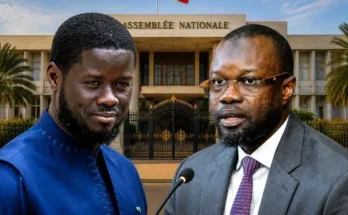
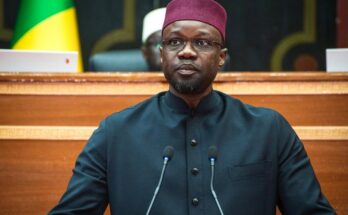
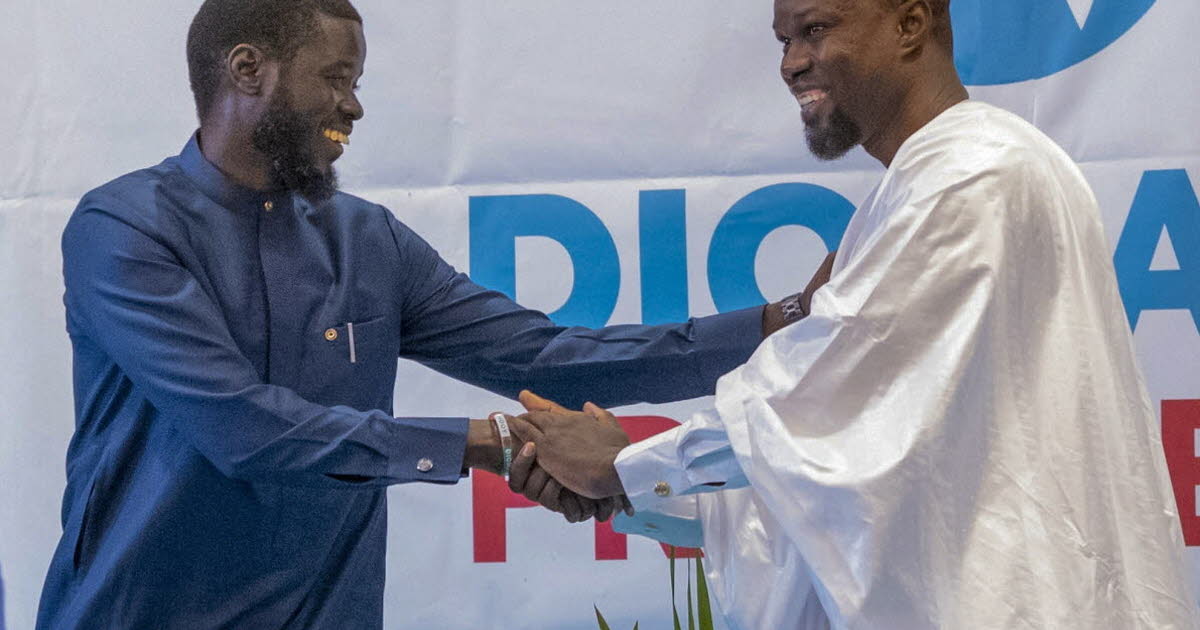
The abrupt dismissal of Prime Minister Ousmane Sonko by President Bassirou Diomaye Faye has plunged Senegal into uncharted political territory. The partnership that once symbolized hope for sweeping change now lies in tatters, leaving citizens and analysts grappling with the implications of this unprecedented rupture.
The two leaders rose to power on a wave of public demand for renewal, following a tumultuous period marked by political instability and social unrest. President Faye secured a resounding victory in the March 2024 election with 54% of the vote in the first round—a triumph largely attributed to Sonko’s influence. At the time, their slogan « Diomaye moy Sonko, Sonko doy Diomaye » (« Diomaye is Sonko, Sonko is Diomaye ») resonated strongly with voters, embodying a shared vision of governance.
A partnership built on promise, torn apart by rivalry
What began as a historic alliance has devolved into open conflict. The rift between the president and his former mentor deepened over time, fueled by diverging priorities and mounting tensions. While both campaigned on promises to dismantle systemic corruption and reduce Senegal’s staggering national debt—currently standing at 132% of GDP—their approaches increasingly clashed. The president favored gradual fiscal adjustments, whereas the prime minister advocated bolder reforms, straining their collaboration.
The power struggle between the two figures has already slowed the implementation of key reforms, with analysts warning that the deadlock could further destabilize the country. Sonko’s popularity among the youth and his uncompromising stance on economic sovereignty have made him a formidable force within the Pastef party, which holds an overwhelming majority in the National Assembly with 130 out of 165 seats.
The prime minister’s removal has intensified speculation about the future of the ruling party and the 2029 presidential race. Despite being sidelined, Sonko remains a dominant political figure whose influence shows no sign of waning. His vision for Senegal—rooted in anti-corruption and self-determination—continues to resonate, even as critics question his foreign policy stances.
What comes next for Senegal?
The political fallout from this decision extends beyond the corridors of power. The president’s move risks fracturing the very coalition that propelled him to office, raising concerns about governance stability in a nation already navigating economic challenges. With Sonko’s base still firmly intact, the stage is set for a high-stakes confrontation that could redefine Senegal’s political landscape in the years ahead.
As the dust settles, one question looms large: Can Senegal’s leadership bridge the divide, or will this crisis mark the beginning of a prolonged period of uncertainty?