Senegal’s political future hangs in balance after Ousmane Sonko’s Assembly victory
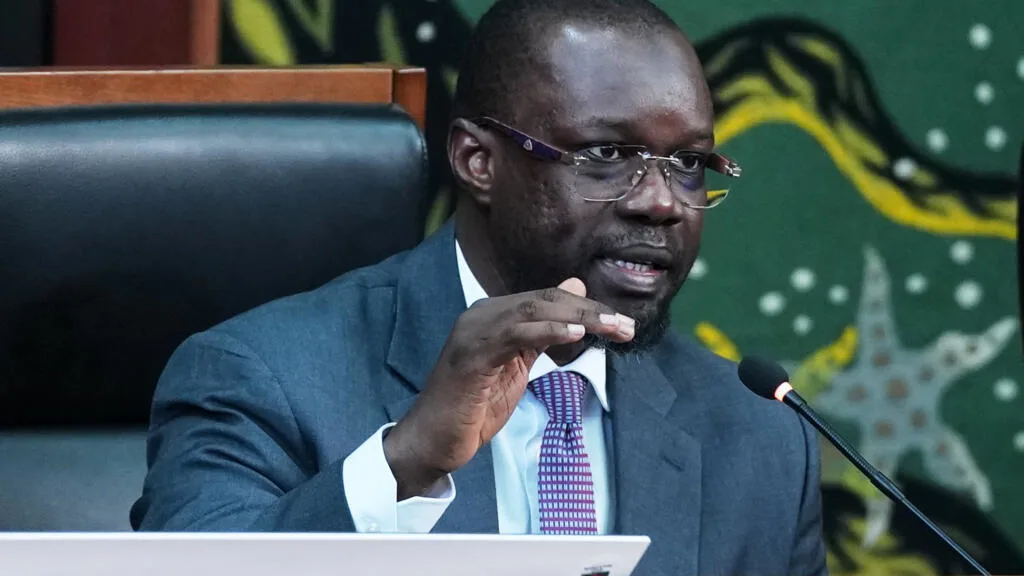
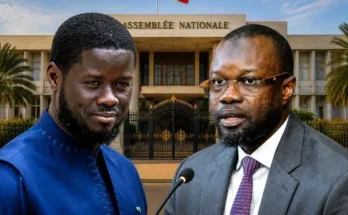
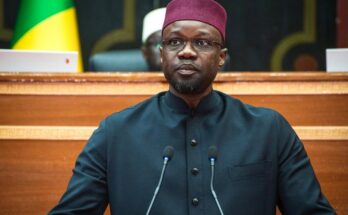
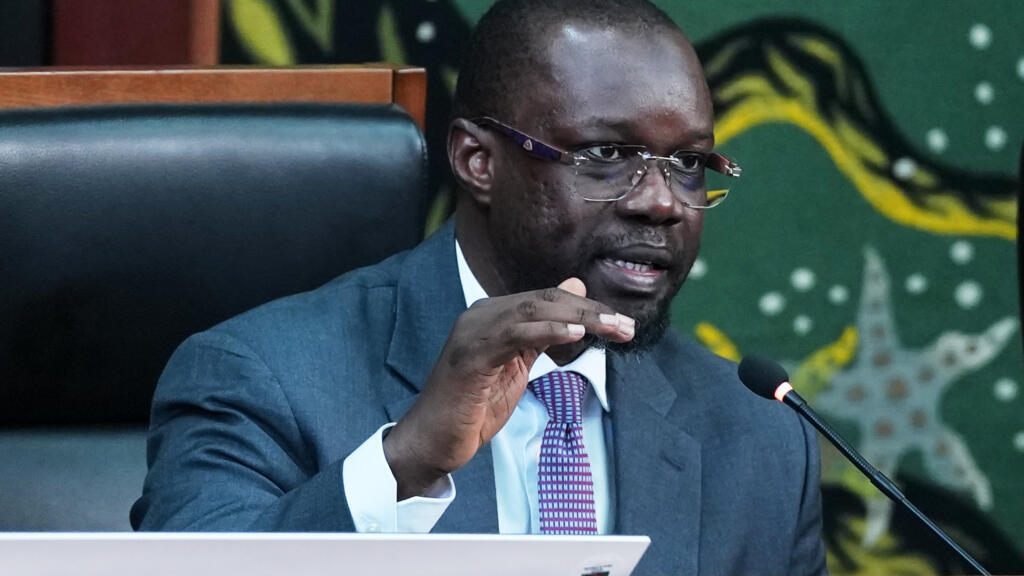
Ousmane Sonko’s swift political rebound became evident this week as the opposition leader secured the presidency of Senegal’s National Assembly in just four days following his removal as Prime Minister. Speaking to supporters in Dakar, he dismissed concerns about his political future, declaring, “A dismissal doesn’t equate to political disgrace”, while emphasizing his “popular legitimacy”.
In a conciliatory yet firm address, Sonko pledged to avoid “personal vendettas”, “institutional chaos”, or “blockades”, instead framing his role as a necessary “check on government actions”. He vowed to deploy “all oversight mechanisms” at his disposal if disagreements arise, signaling an assertive approach to legislative power.
A new era of “unprecedented” cohabitation
Political analysts describe Sonko’s election as the start of an “unprecedented” cohabitation period. Ellimane Haby Kane, director of the Legs Africa think tank, notes that while Sonko is adopting a “diplomatic tone”, his underlying goal remains “to control the executive branch”. The tension centers on the president’s failure to consult the Pastef party before appointing the Prime Minister and cabinet—a move Sonko’s camp has already criticized as a breach of trust.
Within hours of his election, Pastef issued a statement outlining preliminary talks with presidential advisors regarding government formation, though it set strict conditions for participation. The standoff suggests the political tug-of-war is far from over, with Sonko positioning himself as both a legislative leader and a key player in shaping the country’s governance.
Related Posts