
Patrimonial rights spark political tension in Senegal
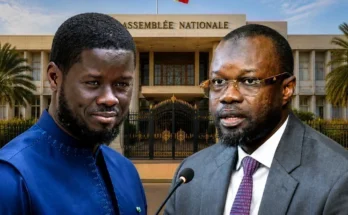
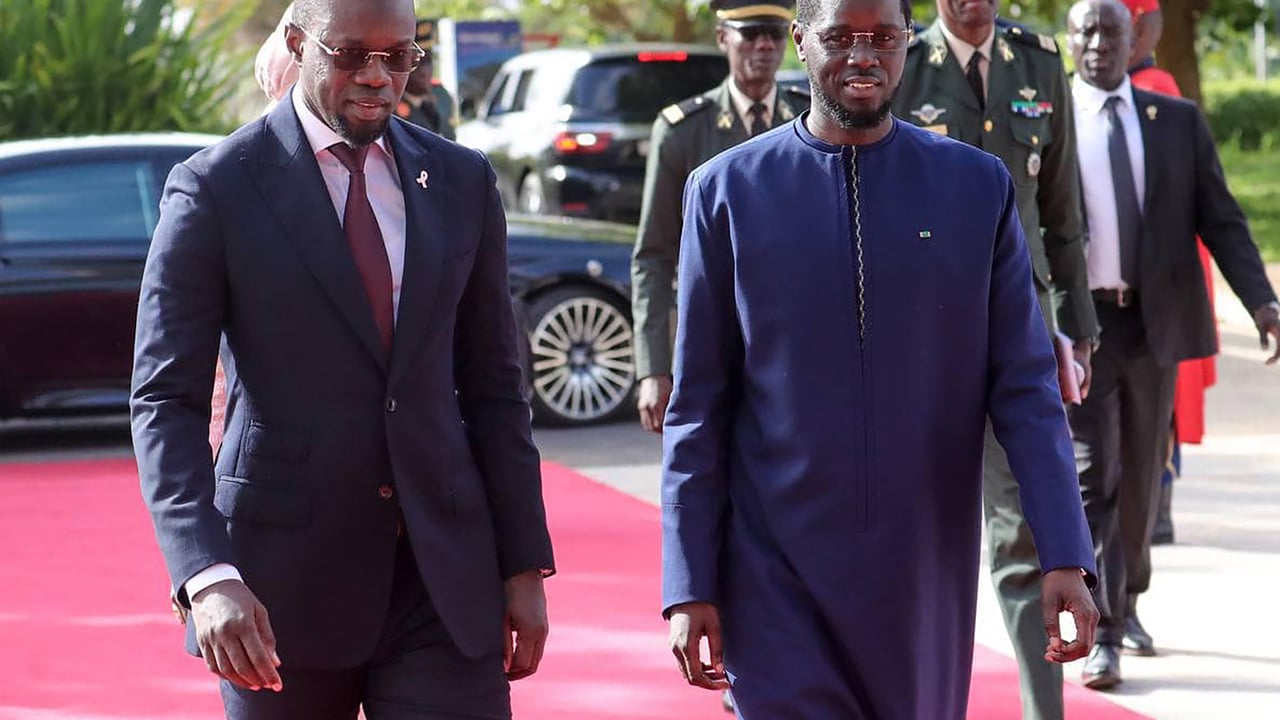
The recent dispute surrounding President Bassirou Diomaye Faye’s heritage has ignited a fresh wave of political friction, casting a shadow over national unity. The controversy pits the country’s top leadership against each other, raising questions about transparency and governance in Senegal’s political landscape.
How the heritage debate unfolded
The disagreement traces its roots to conflicting claims over land and property linked to the president’s family. While Bassirou Diomaye Faye asserts his legal ownership, critics question the origins of these assets, fueling public skepticism. The debate gained momentum after Ousmane Sonko, now Prime Minister, publicly challenged the legitimacy of these holdings, triggering a chain of legal and political confrontations.
Key arguments in the patrimonial clash
- Ownership legitimacy: Supporters of Faye argue that the properties were acquired through legitimate means, while detractors highlight potential conflicts of interest.
- Transparency concerns: Opponents demand full disclosure of financial records, alleging hidden wealth and opaque transactions.
- Institutional response: Government officials have begun reviewing the president’s declarations, but the process has only intensified the divide within the administration.
Impact on national politics
The patrimonial dispute is more than a legal quagmire—it has become a symbol of deeper political rifts. Senegal’s stability now hinges on resolving this conflict, as both factions leverage public opinion to strengthen their positions. The outcome could redefine the balance of power and shape the nation’s future trajectory.
Public reaction and media scrutiny
Citizens and analysts alike are divided, with some viewing the controversy as a necessary check on power, while others see it as a politically motivated attack. Media outlets continue to dissect every development, amplifying the stakes for all involved.
What’s next for Senegal?
As the debate rages on, the government faces mounting pressure to provide definitive answers. The resolution of this patrimonial battle may well determine whether Senegal can reclaim its narrative of stability or succumb to the fractures threatening its unity.