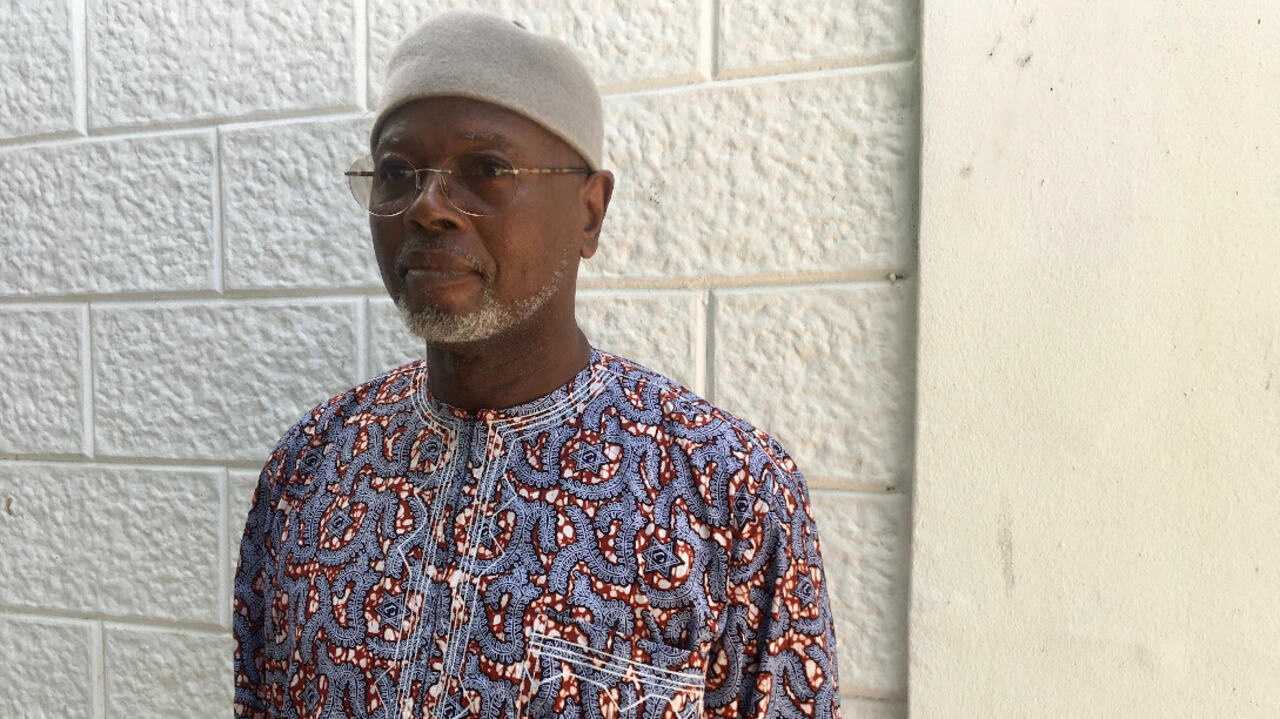
In Niger, journalist Moussa Kaka has been missing since 31 August, yet the outcry one might expect has not materialised. Senegalese human rights figure Alioune Tine – a former United Nations expert on human rights – describes the situation bluntly: a “forced disappearance” met with “total indifference from the African and international community”. His words point to a deeper pattern, one in which geopolitical calculations and institutional inertia often drown out individual cases.
Tine, who founded Afrikajom, a think tank focused on democracy and security in Africa, is now urging African public opinion and the organisations that represent it to break their silence. In a conversation with Christophe Boisbouvier, he explains why this case deserves far more attention than it has received.
Why Moussa Kaka’s case has struggled to gain traction
When a journalist vanishes, the usual playbook calls for rapid condemnation from press freedom groups, regional bodies and Western capitals. In this instance, that response has been slow and muted. According to Tine, the absence of a coordinated outcry is not accidental. It reflects a wider reluctance to confront Niger’s authorities at a time when security and migration concerns dominate the international agenda. The result is a vacuum in which a single disappearance can go largely unnoticed.
For Tine, this silence is itself a form of complicity. He argues that the lack of pressure from African leaders and international institutions sends a troubling message: that some lives and some freedoms matter less than others. The implications reach beyond Niger, raising questions about the continent’s commitment to democratic norms and the safety of journalists who operate in difficult environments.
The broader stakes for press freedom and democracy
Moussa Kaka is not an isolated case, but his disappearance has become a symbol of a larger problem. Across West Africa, journalists face increasing risks, from arbitrary detention to physical violence, often with little accountability. When regional powers stay quiet, the space for independent reporting shrinks further. Tine warns that this erosion of press freedom weakens the very foundations of democratic governance, leaving citizens less informed and more vulnerable to abuse.
The call for mobilisation is therefore not just about one man. It is about establishing a principle: that no journalist should disappear without a trace, and that impunity must not become the norm. Tine insists that African civil society, media organisations and ordinary citizens have a role to play in demanding answers and ensuring that such cases are not forgotten.
What needs to happen next
To move from concern to action, Tine outlines several steps. African unions and press freedom groups should coordinate their efforts, amplifying the demand for a credible investigation. Regional bodies such as the African Union and ECOWAS should publicly raise the case with Niger’s government. International partners, too, must not let other priorities overshadow human rights concerns. The goal, Tine says, is to create enough pressure that the authorities have no choice but to account for Kaka’s whereabouts and wellbeing.
Ultimately, the fate of Moussa Kaka will test whether the continent’s stated commitments to democracy and human rights carry real weight. The silence so far suggests that much work remains. But Tine’s appeal is a reminder that indifference is a choice, and that mobilisation – however late – can still make a difference.