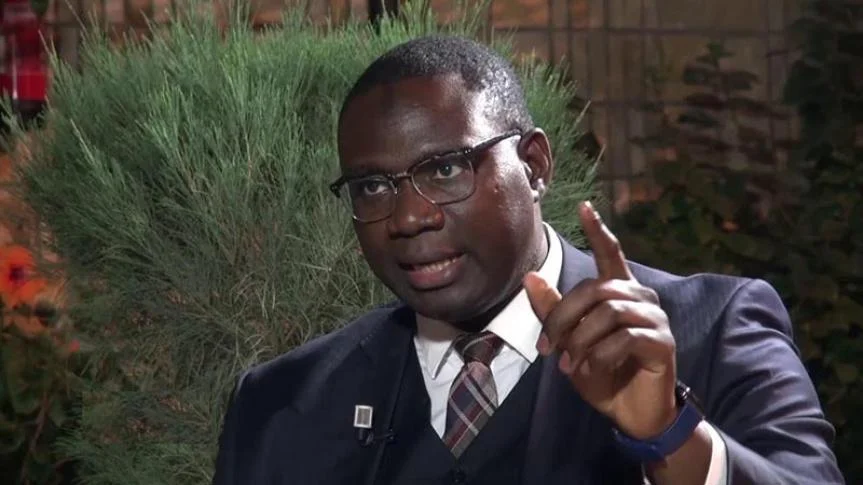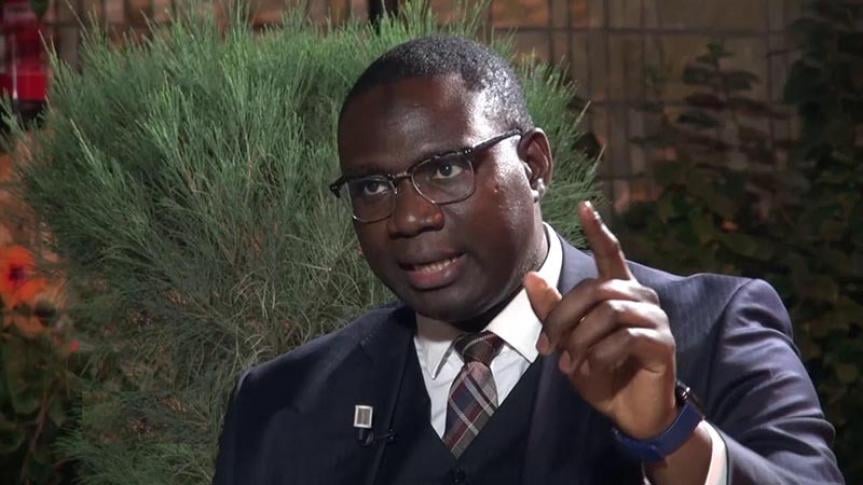
In a bold political move reshaping Senegal’s current administration, Minister Moussa Balla Fofana has announced his exit from the PASTEF party while retaining his ministerial portfolio. This decision marks a significant shift in the country’s political landscape, highlighting the delicate balance between party loyalty and public governance.
The move comes at a time when Senegal’s political climate remains fluid, with growing concerns over institutional stability. By severing ties with PASTEF, Fofana signals a strategic repositioning that could influence broader political alliances and policy directions in the coming months.
What led to the break with PASTEF?
The decision reflects deeper tensions within the party and its leadership. Observers note that Fofana’s break with Ousmane Sonko’s movement underscores the challenges faced by officials navigating shifting political priorities and public expectations. His continued presence in government despite the split suggests a calculated approach to maintaining influence while distancing himself from the party’s internal dynamics.
Implications for Senegal’s political stability
The separation raises questions about the future cohesion of PASTEF and its ability to sustain its political momentum. With Fofana’s departure, the party loses a prominent figure whose departure could weaken its legislative and administrative reach. Meanwhile, the government’s stability hinges on how other officials interpret this shift and adapt their strategies accordingly.
What’s next for Moussa Balla Fofana?
As Fofana continues in his ministerial role, his next steps will be closely watched. Will he align with new political alliances, or will he chart an independent course within the government? The answers could redefine the balance of power in Senegal’s corridors of influence.