Algeria’s decision to convene both chambers of parliament on 25 October has reignited questions about its military ambitions in the Sahel, particularly regarding Niger. While speculation swirls over a potential escalation in Algeria’s regional engagement, the stakes extend beyond mere military intervention—they involve sovereignty, influence, and the delicate balance of security in the Sahel.
Is Algeria poised for a Sahel military shift?
The extraordinary parliamentary session, scheduled for 25 October, has fueled uncertainty. With no official agenda released, conjecture has mounted over whether Algeria intends to seek approval for military deployment in Niger. Yet, as of now, no formal announcement confirms such a move.
Recent political and military developments, however, suggest Algeria may be recalibrating its regional strategy. Understanding the motivations behind this shift—and its potential regional consequences—requires a closer look at the evolving dynamics.
A military alliance reshaping the region
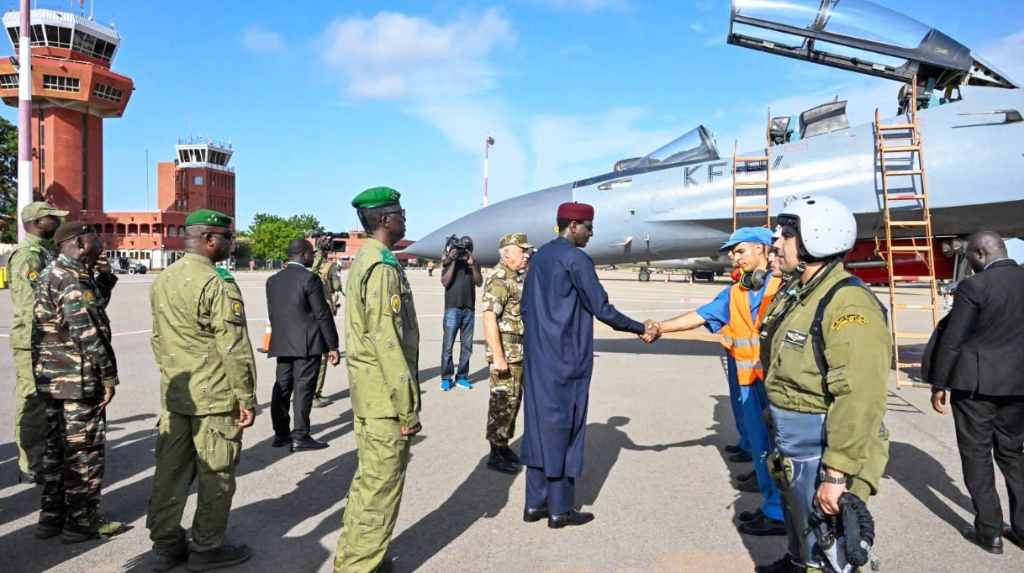
One critical factor is the strengthening military ties between Algiers and Niamey. On 30 August 2026, Algeria deployed four Su-30 fighter jets and a refueling aircraft to Niger at the request of Nigerien authorities. This deployment, framed as cooperative, signals Algeria’s intent to maintain operational influence amid regional instability and shifting alliances.
On 21 October, Algeria and Niger further solidified their relationship by signing a military cooperation agreement. While the details remain undisclosed, the pact underscores the growing prioritization of security collaboration between the two nations. However, it does not inherently confirm an imminent military operation.
Constitutional constraints and parliamentary implications
The parliamentary session carries significant weight under Algeria’s constitution. Article 91 stipulates that deploying the National People’s Army abroad requires approval from both legislative chambers by a two-thirds majority. This provision naturally raises the possibility of a debate on foreign military engagement.
Yet, the lack of a defined agenda demands caution. In such a sensitive context, distinguishing between institutional procedure, strategic consideration, and operational decision-making is critical. Prematurely equating hypothesis with political reality risks distorting the narrative.
Niger’s strategic calculus and regional sovereignty
For Niger, a stronger partnership with Algeria could diversify its security alliances. In a Sahel plagued by persistent armed threats and shifting alliances, support from a neighbor with substantial military capabilities offers strategic value.
Geographically, Niger holds immense importance for Algeria. The two nations share a border and face shared challenges, including armed group movements, cross-border trafficking, and destabilization risks. For Algeria, preventing the spread of insecurity in Niger may be a priority over offensive operations. This distinction is key: military support, cooperation, or deterrence does not necessarily equate to combat intervention.
Power rivalries and unconfirmed speculation
Some reports have suggested potential strikes against Emirati interests in Niger amid broader influence rivalries. However, no official evidence supports the claim that Algeria is planning such an operation. Direct confrontation with a third-party state would mark a significant strategic shift, exposing Algeria to heightened diplomatic and security risks while exacerbating regional tensions.
It is essential not to conflate competition for Sahel influence with targeted military action against a specific actor. Interests, alliances, and state positions must be substantiated before drawing conclusions.
A pivotal political moment on 25 october
Beyond intervention speculation, the parliamentary session raises broader questions: how far is Algeria willing to go to safeguard its security interests in its southern neighborhood?
A potential authorization for foreign deployment would send a major political signal. Conversely, a session focused on unrelated matters would serve as a reminder that chronological proximity between events does not imply causation.
The immediate focus will be on the session’s agenda, any adopted resolutions, and subsequent official statements. These elements will clarify whether Algeria is preparing to bolster its assistance to Niger or pursue a more ambitious military posture.
For now, one truth remains clear: while the Algerian-Nigerien rapprochement is a political development worth monitoring, the prospect of military intervention remains unconfirmed. In a Sahel where every military move can alter the balance of power, precision in reporting is vital to distinguish strategic signals from uncertain scenarios.