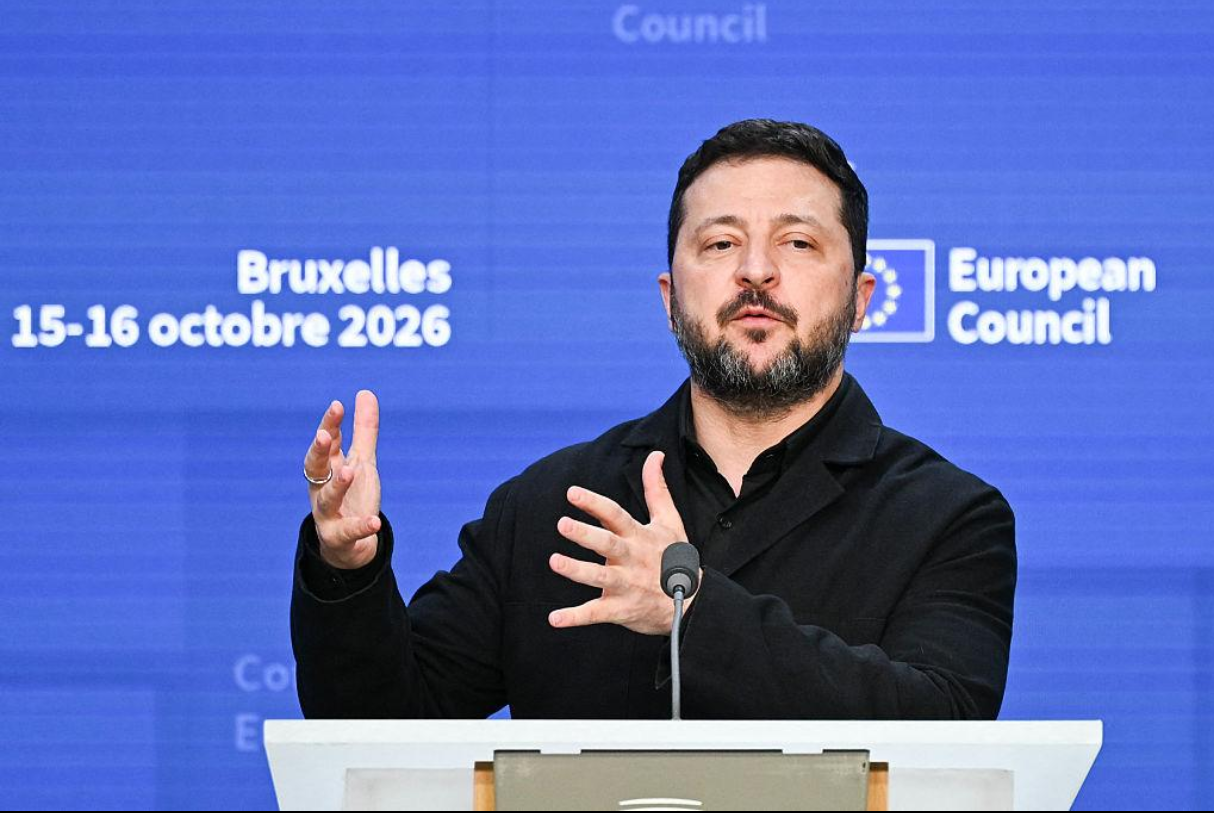
Ukrainian president Volodymyr Zelensky announced on 21 October 2026 that his nation could halt combat along current military lines, paving the way for talks on security guarantees with Washington and European capitals. Yet in a subsequent CNN interview, he reiterated that this stance does not equate to acknowledge occupied regions as Russian or surrender Kyiv-controlled lands.
Frozen frontline as a starting point for talks
In an interview with Fox News on 21 October, Zelensky framed the freezing of military positions as a pragmatic step to end ongoing hostilities. ‘We must freeze the situation now,’ he stated, arguing that a ceasefire could initiate a political process after years of war.
He clarified this suspension would be the minimum expectation from Moscow, aiming first to stop casualties and destruction before tackling more complex issues in negotiations. However, this proposal does not imply acceptance of Russia’s territorial claims. Freezing the front would pause fighting along existing contact lines without finalizing the status of occupied areas. Ukraine insists legal recognition of annexations remains off the table.
Security guarantees remain non-negotiable
Following a potential ceasefire, Kyiv seeks binding security assurances from the US and European nations. Zelensky stressed that halting combat is insufficient without mechanisms to prevent renewed Russian aggression. Without credible protections, any truce risks being a temporary pause rather than a lasting solution.
His approach envisions a phased process: cease hostilities, commence negotiations, and establish a security framework to deter future Russian offensives. This strategy, however, requires consensus between the parties on ceasefire terms and the commitments Western partners are willing to make.
No territorial compromise on kyiv-controlled areas
In his 22 October CNN interview, Zelensky underscored the limits of this diplomatic opening. He firmly rejected recognizing occupied territories as part of Russia and ruled out abandoning areas still under Ukrainian control, particularly in the Donbas region.
‘Our land is vital because it’s about the people, not kilometres,’ he asserted, emphasizing that countless Ukrainians have died defending their nation’s independence. He affirmed that even if fighting stops, Kyiv will continue to regard occupied territories as Ukrainian.
This stance highlights a core negotiation challenge: stabilizing the front without legitimizing Russia’s military gains. For Moscow, control over occupied regions is critical. For Kyiv, ceding sovereignty would mean endorsing contested territorial losses and undermining national integrity.
Donbas: the flashpoint of dispute
The Donbas region epitomizes this conflict. Russia demands full control over Donetsk, while Ukraine refuses to withdraw from areas it still holds. A ceasefire might reduce violence but would leave the underlying dispute unresolved.
Western support under scrutiny
Beyond the frontline, the strength of security guarantees is pivotal. Kyiv wants commitments robust enough to deter Russia from resuming hostilities post-truce. The US and Europe would play a decisive role in such a framework.
Yet critical questions remain: what form would these guarantees take? What military or diplomatic pledges would Western partners be willing to make? And how would they respond if Russia breached any agreement?
These concerns arise amid strained Ukraine-US relations. Zelensky acknowledged recent challenges in American support, particularly regarding military capabilities and communication systems vital to Ukrainian forces. Despite these tensions, he still views the US as indispensable to any enduring solution.
European involvement is equally crucial. Ukraine wants its partners to go beyond supporting a ceasefire and contribute to its long-term security. However, the practical scope of these commitments will depend on political negotiations and decisions in the involved states.
A diplomatic overture, not a breakthrough
Zelensky’s statements signal openness to a combat pause but do not imply an imminent peace deal. Russia and Ukraine remain at odds over territory, ceasefire terms, and the guarantees needed to prevent renewed war.
On 22 October, Russian president Vladimir Putin indicated Moscow’s willingness to resume US-mediated talks with Ukraine, while advocating for a lasting settlement that addresses Russian security concerns. The specifics of any territorial compromise, however, remain contentious.
Ukraine’s proposal thus raises a fundamental question: can hostilities end without immediately resolving the status of disputed territories? For Kyiv, the answer lies in separating the current military reality from the legal recognition of borders.
A frozen frontline could serve as a first step toward de-escalation, provided all parties agree on its terms and credible guarantees accompany the truce. Yet as long as Moscow and Kyiv maintain incompatible demands on territorial sovereignty and security conditions, the prospect of lasting peace remains elusive.
Balancing the need to stop fighting with the refusal to concede territorial integrity, Ukraine is charting a narrow diplomatic path—one that may open the door to negotiations without prejudicing their outcome.