Senegal politics: why Ousmane Sonko’s Pastef declined cabinet roles
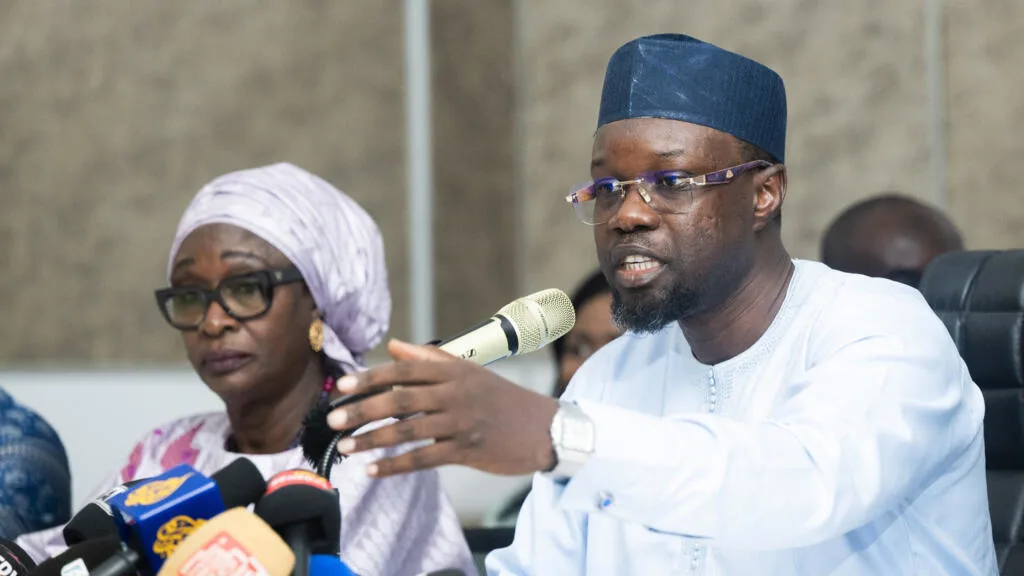
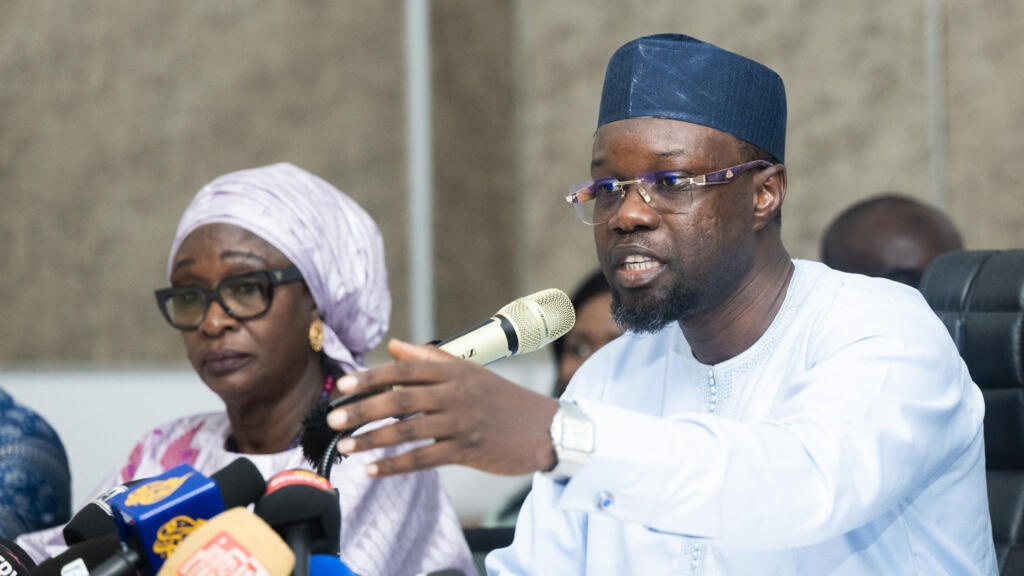
In Dakar, political observers watched closely as Ousmane Sonko, former Prime Minister and leader of the Pastef party, addressed the press on June 2 regarding his party’s decision to decline participation in the newly formed government led by President Bassirou Diomaye Faye’s appointed successor, Ahmadou Al Aminou Mohamed Lô.
Sonko outlined the Pastef party’s refusal to join the cabinet, emphasizing fundamental disagreements over policy priorities and the allocation of key ministerial positions. Core issues such as judicial independence, transparency in public finances, and renegotiation of strategic contracts were central to the discussions.
The party sought assurances from the president on critical matters, particularly debt management strategies under negotiation with the International Monetary Fund (IMF). Sonko stated that the responses received were insufficient, describing them as vague and non-committal.
Sonko criticizes lack of clarity in government’s policy commitments
« They discussed the issue, but the president and his finance minister provided no concrete commitments regarding IMF debt restructuring, » Sonko stated. « On purchasing power, the president suggested applying ‘price truthfulness’ to certain subsidized products where feasible. As for the judiciary, he claimed Senegal boasts the world’s best justice system. All these responses were lukewarm at best, » he added.
Regarding the distribution of ministerial portfolios, Sonko made it clear to the president that Pastef would only participate in a government where the party held at least half of the cabinet positions. The president’s refusal to meet this demand, combined with unresolved policy disputes, led to the party’s withdrawal from coalition talks.
Sonko also highlighted concerns over the legitimacy of the new government, noting that only five ministers in the cabinet were former Pastef members—though their affiliation was not recognized by the party leadership. Despite these tensions, he assured that Pastef would not initiate a no-confidence motion unless the government took proactive steps against the party first.