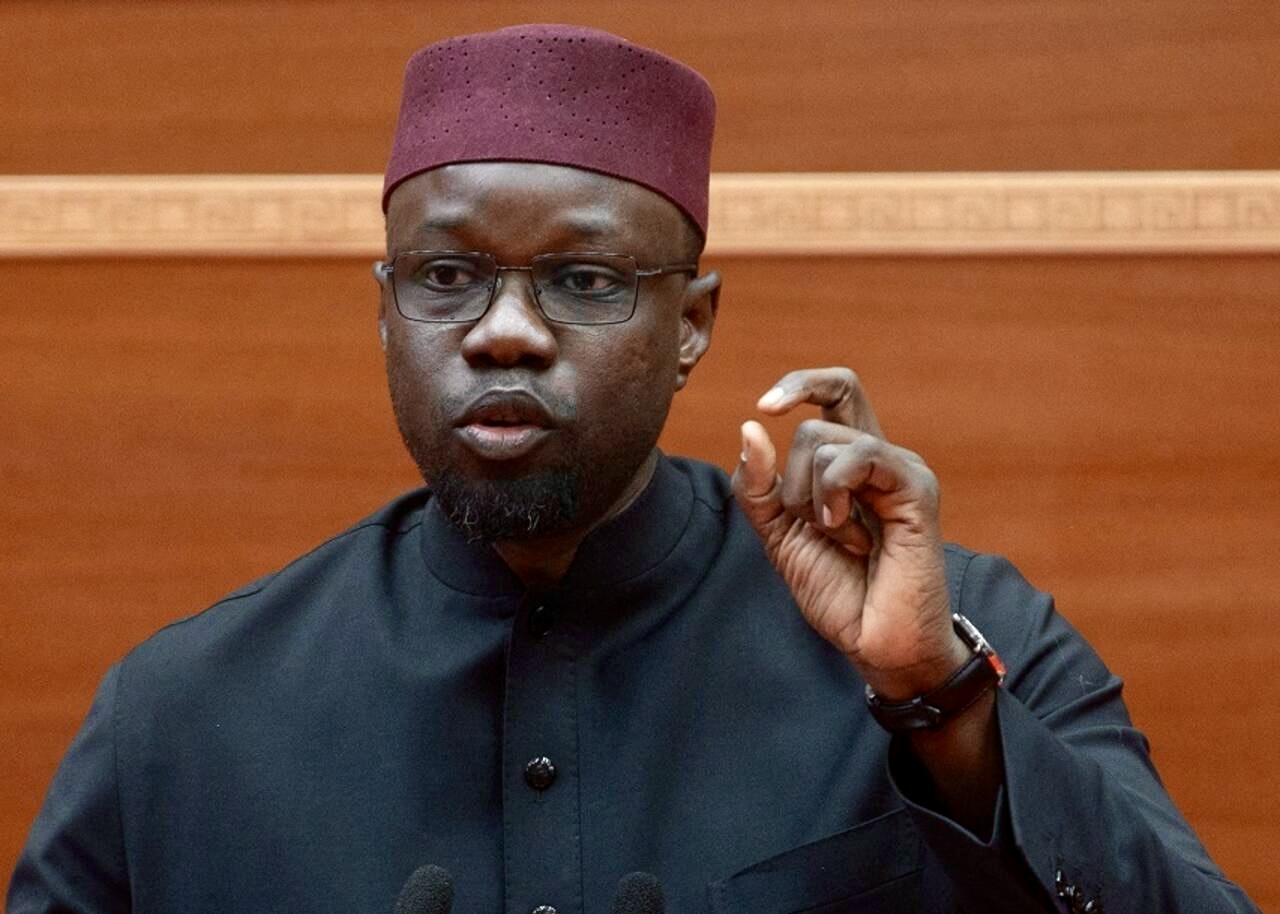
As the highly anticipated France-Sénégal showdown approached, a single statement from Ousmane Sonko ignited a debate many thought had faded into obscurity. The President of the Senegalese National Assembly declared, “Regardless of the outcome, it’s Africa that will have defeated Africa.” While some interpreted this as a unifying pan-African sentiment, the phrasing revived an old and contentious narrative: one that reduces Black players in the French national team to their ancestral roots rather than their French nationality.
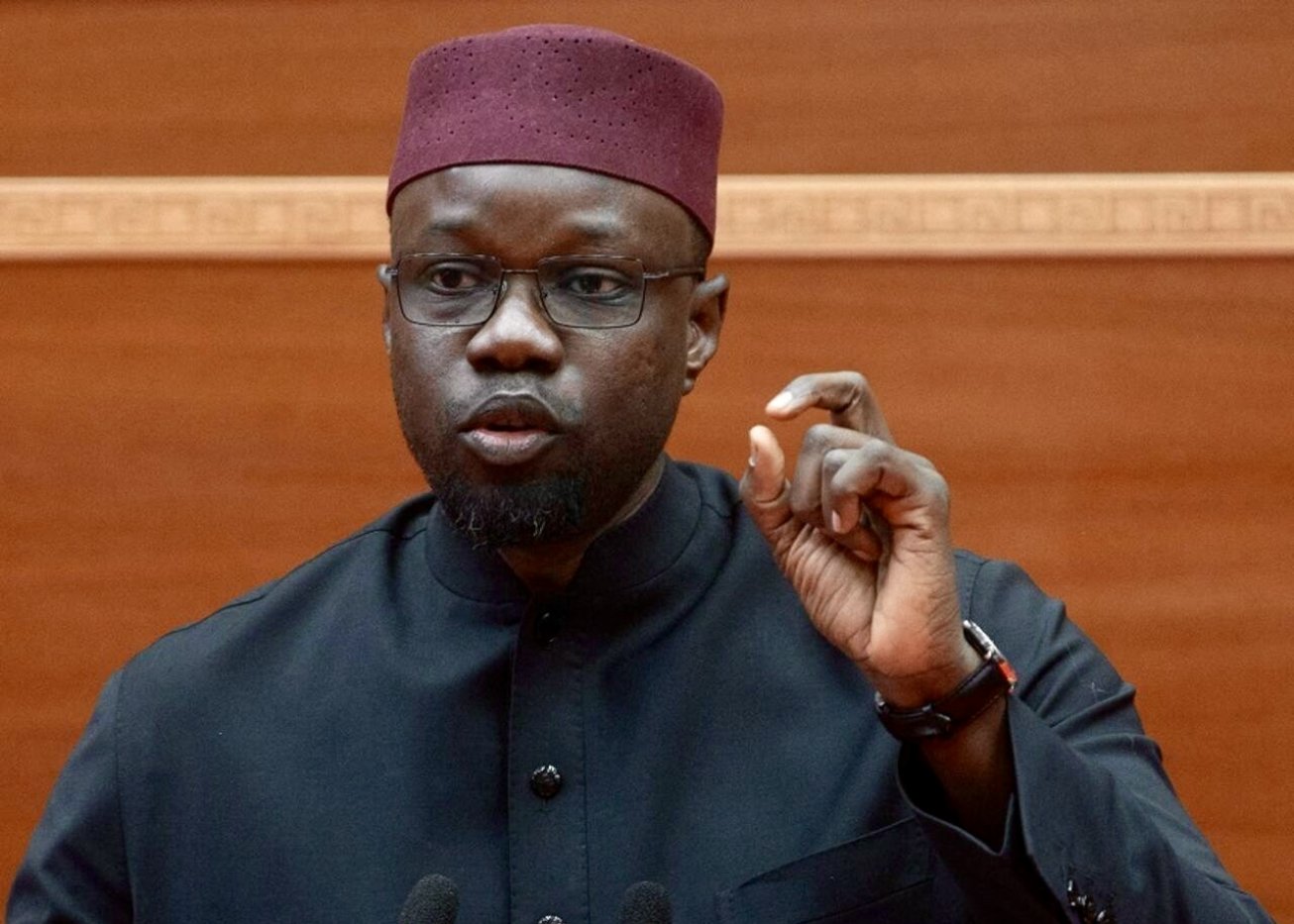
This rhetoric, once championed by far-right figures in Europe, now echoes from the heart of Senegalese political leadership. The implication is clear: players like Kylian Mbappé, Aurélien Tchouaméni, or William Saliba, all born and raised in France, are somehow less French because of their heritage. But is this really the message we should be sending? Or does it risk overshadowing the very essence of what it means to represent a nation on the world stage?
The identity of a French footballer: more than just ancestry
The French national team is a tapestry of diversity, reflecting the multicultural fabric of modern France. Players like Mbappé (born in Paris), Tchouaméni (from Rouen), or Saliba (from Bondy) didn’t just happen to play for France—they are the product of French football systems, from local clubs to elite academies. They attended French schools, trained under French coaches, and wore the blue jersey because they are French citizens first and foremost.
France’s footballing identity extends beyond metropolitan borders. Players like Dimitri Payet (from La Réunion) or Jocelyn Angloma (from Guadeloupe) are just as French as those born in Lyon or Marseille. Their roots, whether in the Caribbean or Indian Ocean, are part of France’s history. To suggest that a French victory is an African one is to imply that these players’ identities are defined by their family origins—not by their nationality, their achievements, or their commitment to representing France.
A decades-old debate resurfaces
The idea that players in the French team are ‘really’ African rather than French isn’t new. In 1996, Jean-Marie Le Pen, the late far-right leader, famously questioned the team’s loyalty, claiming some players were ‘foreigners naturalized’ and didn’t sing *La Marseillaise*. His remarks sparked outrage, but the underlying premise—that Black players couldn’t fully embody French identity—persisted. Éric Zemmour, convicted multiple times for hate speech, has repeatedly echoed similar sentiments, framing the team’s diversity as a threat to national identity.
Even beyond France, this narrative has taken root. After France’s 2018 World Cup win over Argentina, Argentine fans chanted that the French team was ‘really African,’ denying the players’ French citizenship based solely on appearance. Such slogans, condemned as racist, reveal a troubling pattern: the insistence on defining people by race rather than nationality. When Ousmane Sonko, a prominent Senegalese leader, adopts a similar line, even in a different context, the message remains the same: Black French players are African first, French second.
Why this logic falls short
Imagine if Didier Deschamps announced tomorrow he would only select white players to better align with a certain vision of France. The backlash would be swift—and rightly so. Sonko himself would likely condemn such a move as discriminatory. So why does the reverse logic—attributing an African identity to Black French players—go unchallenged? Football doesn’t select players based on skin color or heritage. It selects the best. Mbappé isn’t chosen because he’s Black; he’s chosen because he’s one of the world’s finest strikers. Tchouaméni isn’t picked for his African roots; he’s there because he’s a French talent excelling in midfield.
France has never asked its players to choose between their heritage and their nationality. It has asked them to wear the blue jersey with pride, to represent their country, and to do so with excellence. The same principle applies to any national team. When Sénégal beat France in the 2002 World Cup, 20 of the 23 players were plying their trade in French clubs. Some were born in France. Their coach, Bruno Metsu, was French. Did that make their victory a French one? Of course not. They represented Sénégal—and they did so brilliantly.
The lesson here is simple: identity on the football pitch is defined by the jersey worn, not the color of one’s skin or the continent of one’s ancestors. Ousmane Sonko’s statement, while perhaps well-intentioned, risks blurring this line. For a leader of his stature, the words carry weight. And in a world where football should unite, they risk dividing—by reducing complex identities to a single, reductive narrative.