Senegal’s draft 2027 budget, tabled by President Bassirou Diomaye Faye’s administration, reflects a decisive pivot toward human capital and connectivity, despite ongoing fiscal constraints. The headline measures—twelve LYNAQE digital high schools, a second Ziguinchor river crossing, and the digitalization of 15,000 classrooms—signal the operational execution of the Senegal 2050 strategic roadmap unveiled in October 2024.
Tight fiscal climate shapes Senegal’s 2027 spending choices
The macroeconomic backdrop for the budget is far from stable. Revised 2024 public debt figures, disclosed last autumn, triggered multiple sovereign credit downgrades by Moody’s in 2024–25, pushing borrowing costs to decade highs. Under these pressures, every 2027 allocation has become a test case for both international investors and domestic public opinion.
The government’s decision to prioritize large-scale infrastructure over new social transfers aligns with IMF expectations for productive, concessionally funded expenditures. By doing so, Dakar seeks to demonstrate fiscal discipline without abandoning public investment.
Ziguinchor bridge: politics and connectivity in Casamance
The pledge to build a second river crossing at Ziguinchor is more than an engineering project—it is a political statement. As the longtime stronghold of Prime Minister Ousmane Sonko, Casamance has long suffered from isolation worsened by decades of conflict with the MFDC separatist movement. The original Émile Badiane bridge, opened in 1984, remains the only major river crossing in the city, throttling commerce with Guinea-Bissau and the wider subregion.
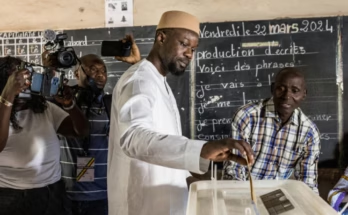
Adding a second span addresses both territorial equity and voter expectations, especially after the Pastef coalition won overwhelmingly in Casamance during the March 2024 polls. Yet the financial puzzle remains: flagship West African bridges of this scale, such as the Rosso crossing between Senegal and Mauritania funded at €87 million by the African Development Bank, typically rely on multilateral partners. The identity and timing of those financiers will determine when construction can begin.
Digital classrooms and LYNAQE high schools: shaping a tech-savvy future
The education component represents the single largest investment slice. Digitizing 15,000 classrooms calls for not just hardware and high-speed internet, but also robust backbone networks in areas where fiber is still scarce. Senegal holds strategic advantages: Sonatel, an Orange subsidiary, has laid over 20,000 kilometers of fiber nationwide, while the state’s ADIE and Sénégal Numérique SA operate a national administrative network that could serve as the backbone for the rollout.
The dozen LYNAQE high schools are designed to embody a pedagogy centered on quality and territorial equity, building on earlier initiatives such as the 2013 Quality, Equity and Transparency in Education Program. What sets LYNAQE apart is its embedded digital component from day one, aligning with the expansion of higher vocational institutes during the previous administration.
Public test of economic policy under sharp scrutiny
When the budget clears the National Assembly—now controlled by the Pastef majority since the November 2024 snap elections—the government will face its first real-world judgment. It must balance popular demands for tangible change, investor confidence in fiscal prudence, and the delivery of promises to both Casamance and urban youth. Each line of credit approved will serve as a signal to Washington, bond investors, and the IMF that Dakar can translate rhetoric into funded reality.