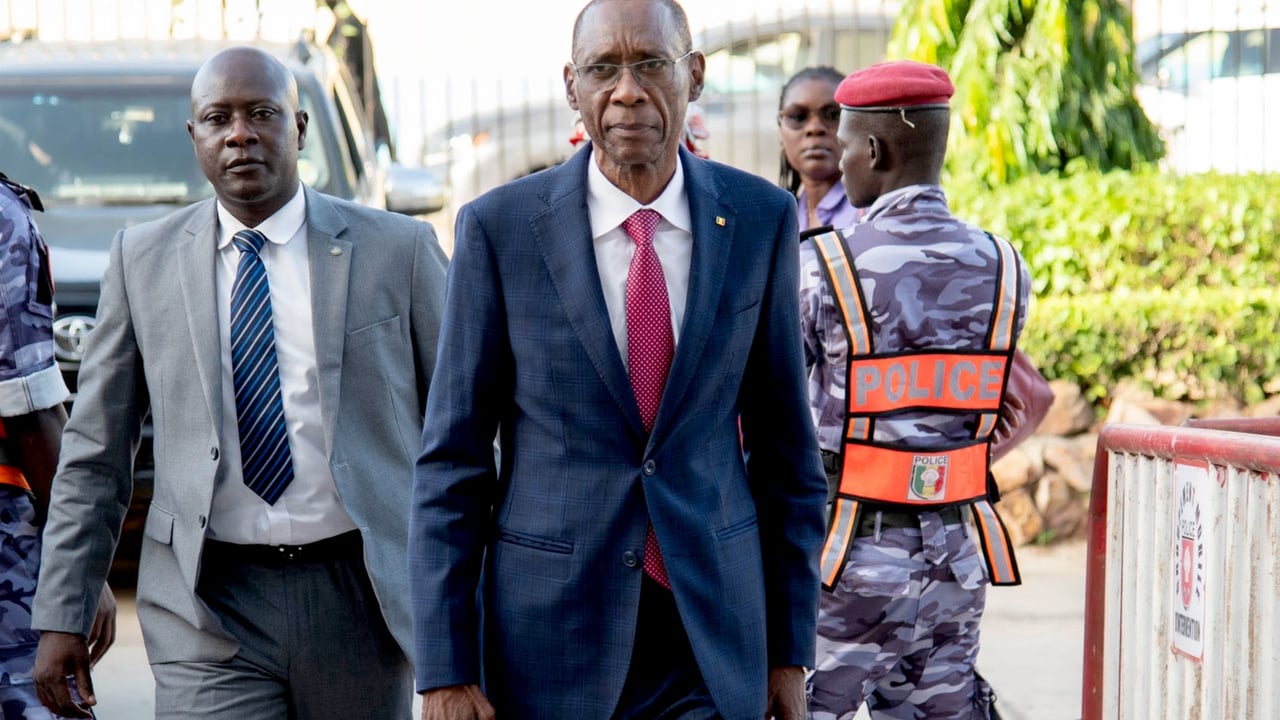

Senegal’s top diplomat is stepping up efforts to build stronger diplomatic bridges with the Alliance of Sahel States (AES). Cheikh Niang, who holds the dual portfolio of Minister of Foreign Affairs and African Integration, outlined a vision centered on dialogue, mutual cooperation, and regional stability during a high-level meeting in Dakar.
The minister emphasized the need to rethink traditional alliances in the Sahel, advocating for a cohesive approach that aligns with the evolving geopolitical landscape of West Africa. His remarks came against the backdrop of shifting regional dynamics, where historical partnerships are being re-evaluated in favor of new strategic alignments.
a seasoned diplomat at the helm
With decades of experience in international relations, Cheikh Niang brings a seasoned perspective to Senegal’s foreign policy. His career spans roles in both bilateral and multilateral diplomacy, having served in key positions that shaped Senegal’s engagement with global and regional institutions. Known for his tactful negotiation style, he has played a pivotal role in advancing Senegal’s interests on the continental stage.
The minister’s recent focus on the AES reflects a broader strategy to strengthen intra-African solidarity. By fostering closer ties with the alliance—comprising Burkina Faso, Mali, and Niger—he aims to create a united front capable of addressing shared challenges such as security, economic integration, and sustainable development.
diplomacy in a changing regional landscape
The geopolitical map of the Sahel is undergoing rapid transformation, driven by both internal and external factors. Cheikh Niang highlighted the importance of adapting diplomatic strategies to these changes, ensuring that Senegal remains a proactive and influential player in the region. His approach prioritizes peaceful dialogue over confrontation, advocating for solutions rooted in African-led initiatives.
Key areas of collaboration with the AES include:
- Regional security: Enhancing joint efforts to combat terrorism and cross-border crime.
- Economic integration: Boosting trade and infrastructure projects to connect Sahel nations.
- Cultural and educational exchanges: Strengthening people-to-people ties to foster long-term understanding.
In his public statements, the minister underscored that Senegal’s engagement with the AES is not about replacing old alliances but about building complementary partnerships that serve the collective interests of West Africa.
what’s next for Senegal’s foreign policy?
Looking ahead, Senegal’s diplomatic agenda under Cheikh Niang will likely focus on deepening ties with the AES while maintaining robust relations with traditional partners such as Europe and the United States. The goal is to create a balanced foreign policy that leverages Senegal’s unique position as a bridge between Francophone and Anglophone Africa.
The minister’s initiatives signal a forward-looking approach, one that prioritizes African solutions to African problems. As the Sahel continues to navigate uncertainty, Senegal’s diplomatic efforts could serve as a model for other nations seeking to navigate a complex regional landscape.