preserving the soul of Senegal’s railway heritage
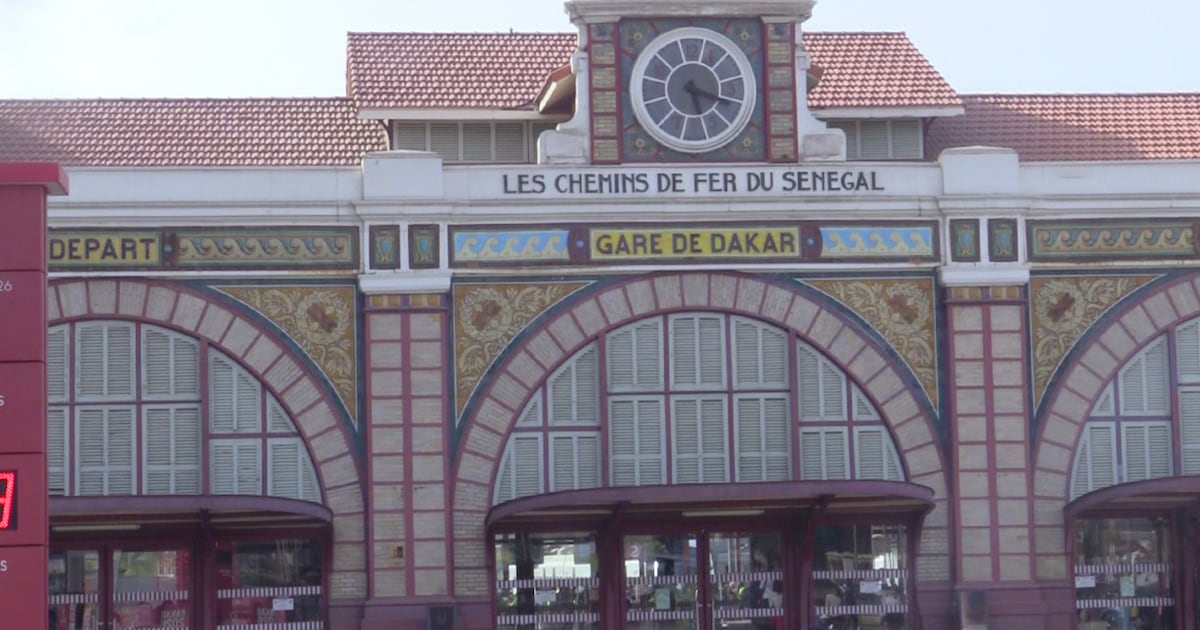
while the Train Express Régional (TER) introduced modern upgrades, the historic essence of Dakar and Rufisque’s railway stations remains untouched. this deliberate preservation ensures these architectural landmarks—now safeguarded as protected heritage—retain their original character and historical significance.
a legacy built in 1914
the Dakar railway station, inaugurated in 1914, once served as the lifeblood of the Dakar-Niger railway network, symbolizing economic growth and trade across French West Africa long before the country’s independence. similarly, the Rufisque station played a pivotal role as a key hub for the peanut trade, connecting the port to inland regions and shaping the nation’s commerce.
after decades of neglect as rail transport declined in favor of road networks, these two stations have been revitalized through the TER project, launched in 2019. today, their weathered walls and vintage charm continue to captivate locals, commuters, and tourists alike, offering more than just transit—they provide a tangible link to the past.
more than stations: living museums of history
for residents like Amadou Diallo, maintaining the original architecture is vital to preserving collective memory. he views these stations as open-air history books, where every detail tells a story. «keeping the Dakar station’s architecture intact safeguards our heritage. it’s no surprise these stations are recognized by UNESCO as historical landmarks, much like other pre-independence structures. this preservation ensures future generations understand the significance of these sites and their role in our nation’s evolution.»
Moustapha Fall, a frequent visitor, agrees. he believes the stations’ architectural beauty has become a draw in itself, blending history with aesthetics. «the colonial-era design, despite modern renovations, still reflects the craftsmanship and lifestyle of the past. it’s a visual testament to our history, and many visit simply to admire and photograph these iconic buildings.»
unesco recognition and cultural pride
designated as historical monuments in Senegal, the Dakar and Rufisque stations exemplify the seamless fusion of history and modernity. Rufisque’s historic district has even been on UNESCO’s tentative list since 2005, underscoring its exceptional urban and architectural value.
Victor Hugo Manga, a traveler, emphasizes how this conservation bridges generational gaps in a rapidly modernizing landscape. «everyone who passes through these stations—locals and visitors alike—discovers a piece of our shared history. with the TER’s arrival, preserving these landmarks allows younger generations to connect with their roots and witness the progress achieved over time.»
guardians of memory in a modern landscape
the Dakar and Rufisque stations stand as silent custodians of Senegal’s collective memory, evolving with the times while refusing to erase their identity. no longer just transit points, they serve as living reminders of the nation’s journey—where the past and present coexist harmoniously.