Former Senegalese President Macky Sall’s aspirations for a top position in global diplomacy have encountered an unforeseen and formidable obstacle. Despite what appeared to be widespread support from 55 African nations for his bid to succeed Antonio Guterres as UN Secretary-General, a significant fracture in pan-African unity has emerged. Togo, alongside Senegal’s new administration and the Alliance of Sahel States (AES), has delivered a decisive repudiation, sending shockwaves through the continent’s diplomatic circles.
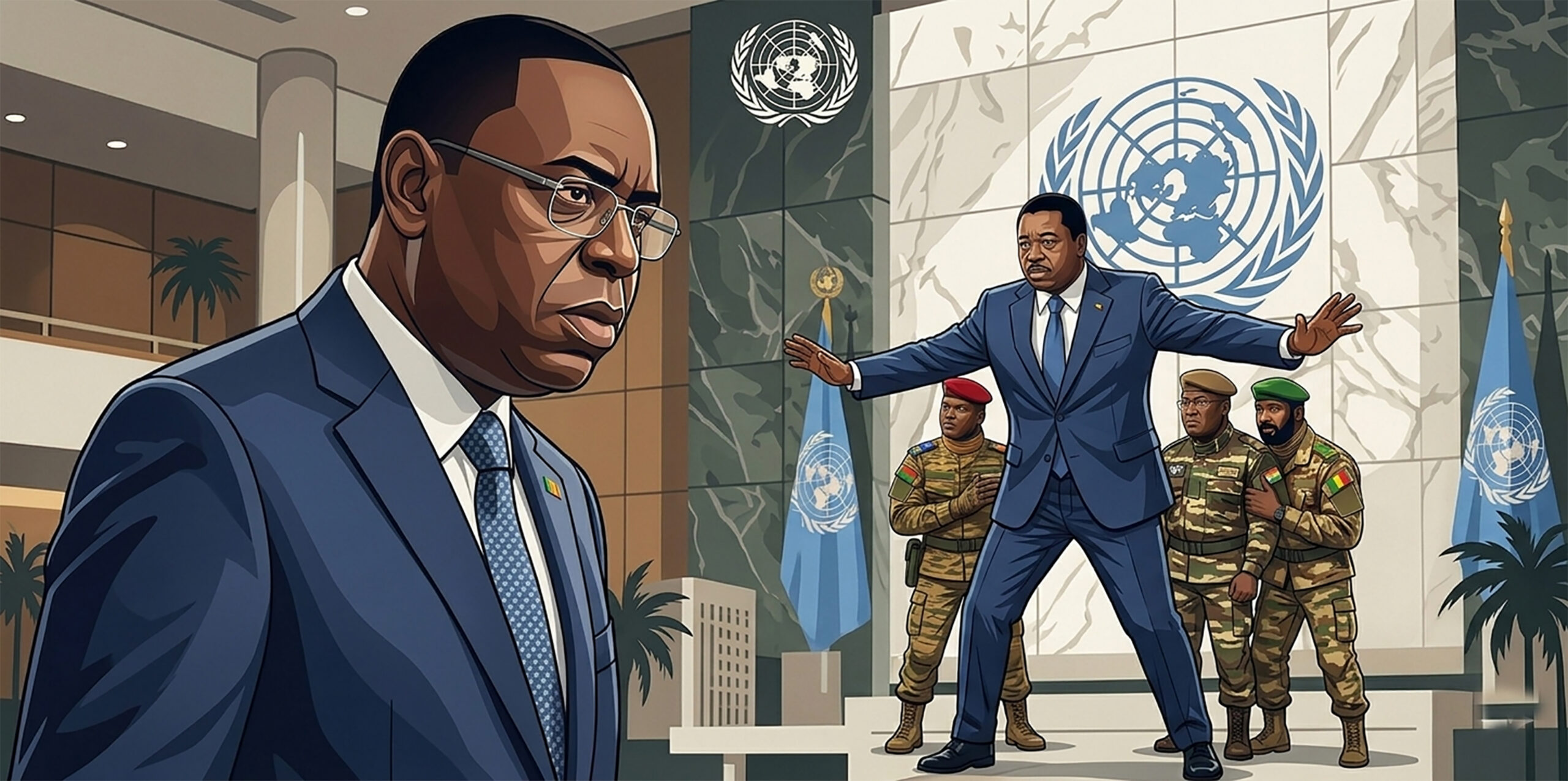
The stark contrast between traditional continental diplomacy and this bold challenge is striking. On one side, a well-oiled African diplomatic machinery seemed poised to endorse a former ‘peer’ for a prestigious international role. On the other, Togo, under President Faure Gnassingbé, has defied convention, directly undermining the ex-Senegalese leader’s United Nations ambitions. By refusing to align with the African Union’s consensus, Togo has done more than simply cast a dissenting vote; it has effectively signaled the demise of a certain brand of compliant diplomacy.
Lomé: Championing a New Regional Order
Togo’s pivotal role in this affair extends beyond a mere regional disagreement. By becoming a vocal advocate for the AES countries (Mali, Burkina Faso, and Niger), Lomé has clearly positioned itself with those seeking a departure from the established order. This move is underpinned by two crucial factors:
- ECOWAS Legacy: For Lomé and its Sahelian allies, Macky Sall is remembered as a key architect of the punitive ECOWAS sanctions that sought to stifle their military-led transitions.
- Solidarity with Dakar: By aligning with the rejection expressed by Senegal’s new government under Bassirou Diomaye Faye, Togo adheres to an unyielding principle: one cannot genuinely represent Africa on the world stage if one lacks endorsement from their own nation.
Global Repercussions of a Divided Africa
The message conveyed to the UN Security Council is profoundly impactful. How can the General Assembly legitimately validate an African candidacy that fails to secure unanimous backing within its own continent? This internal discord raises significant questions about the perceived unity and representativeness of any African candidate.
« Togo has unequivocally demonstrated to the world that Africa is no longer a monolithic entity to be moved at the behest of Western chancelleries’ interests. This constitutes a monumental diplomatic setback. » — Analyzes a geopolitics expert from the University of Lomé.
The Twilight of an Ambition
For Macky Sall, the realization is stark. The decisive blow did not originate from New York, but from Lomé—a capital he likely presumed would conform to the customary diplomatic power plays. By shattering the consensus, Faure Gnassingbé has emerged as a significant regional power broker, capable of influencing international destinies in the name of a resolute sovereign vision. The 38th floor of the glass tower in Manhattan now appears definitively out of reach. The verdict has been delivered from the Gulf of Guinea: Macky Sall’s era on the global diplomatic front has drawn to a close.