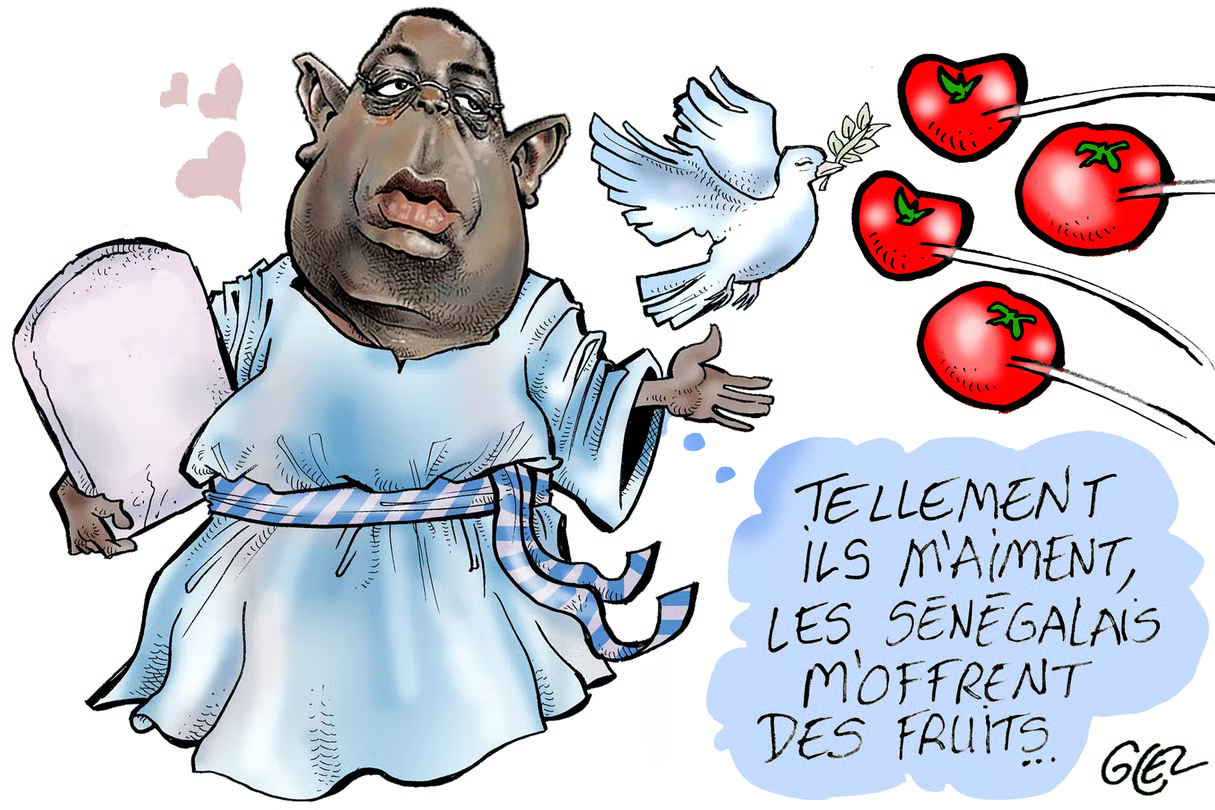
The political climate in Senegal has intensified as tensions rise between outgoing President Macky Sall and the newly elected leader Bassirou Diomaye Faye. Public dissatisfaction has reached a boiling point, sparking widespread debates and protests across the country.
the roots of public anger
The unrest stems from a series of contentious decisions made during Macky Sall’s final months in office, which many citizens view as undemocratic and self-serving. Critics argue that these actions undermine the transition of power and betray the expectations set by the electorate. Meanwhile, Bassirou Diomaye Faye, who campaigned on promises of reform, now faces the challenge of addressing these grievances while navigating a deeply divided political landscape.
The situation has drawn international attention, with observers questioning the sustainability of Senegal’s democratic institutions amid such turmoil.
key figures under scrutiny
- Macky Sall: The outgoing president remains a polarizing figure, with his policies facing sharp criticism from both opposition groups and ordinary citizens.
- Bassirou Diomaye Faye: The incoming leader must now decide how to reconcile the demands of protesters with the realities of governance.
- International actors: Global observers, including representatives from the United Nations, have weighed in on the unfolding crisis, urging restraint and dialogue.
what’s next for Senegal?
The coming weeks will be critical in determining whether Senegal can stabilize its political environment or if the unrest will escalate further. The actions taken by Bassirou Diomaye Faye in response to public pressure may shape the nation’s future trajectory. At the same time, the legacy of Macky Sall’s leadership continues to be scrutinized, as citizens demand accountability and transparency.