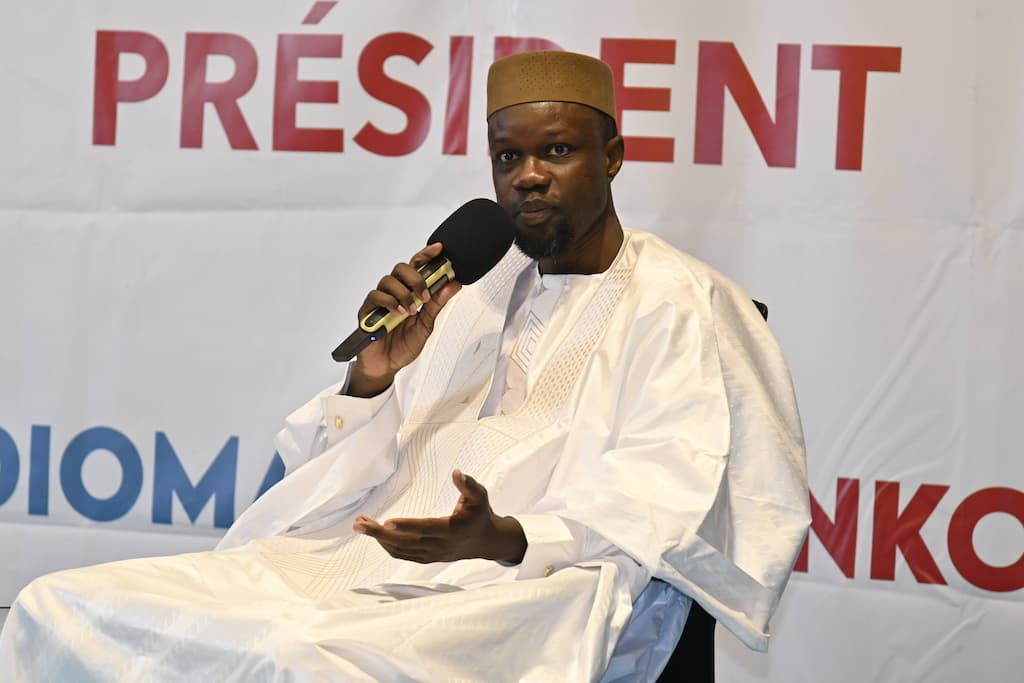
Tensions are escalating in Senegal over the issue of homosexuality, as the government stands firm on its newly strengthened legal stance. Prime Minister Ousmane Sonko delivered a pointed statement before lawmakers on May 22, addressing what he described as an attempt by Western nations to impose their cultural values on the rest of the world.
In a bold declaration, Sonko condemned what he termed a ‘tyranny’ emanating from the West, arguing that a ‘small minority’ of Western countries was seeking to normalize homosexuality globally through media dominance and political influence. ‘By what right?’ he questioned, emphasizing that Senegal would not accept external lessons on its moral and legal frameworks.
Stricter penalties take effect
The Senegalese government’s hardening stance follows the adoption of a new law in early March, which significantly increases penalties for same-sex relations. Under the revised legislation, individuals convicted of homosexuality now face sentences ranging from five to ten years in prison, a sharp rise from previous provisions. The law was officially enacted by President Bassirou Diomaye Faye on March 31, reinforcing a climate already marked by widespread societal disapproval and multiple arrests related to alleged homosexual conduct.
No room for compromise
Sonko made it unequivocally clear that the government has no intention of easing enforcement or reconsidering the law. In a firm message to the international community, he warned that if the current legislation proves insufficient, it will be strengthened further. His remarks drew a stark contrast between Western criticism and the perceived silence of African, Arab, and Asian nations, positioning Senegal as a sovereign state unwilling to yield to external moral pressure.
As debates over cultural sovereignty and human rights intensify, Senegal’s leadership remains resolute in its refusal to entertain discussions about a moratorium on the application of the new law. The government’s unwavering position underscores the deep-seated cultural and religious convictions shaping national policy on this contentious issue.