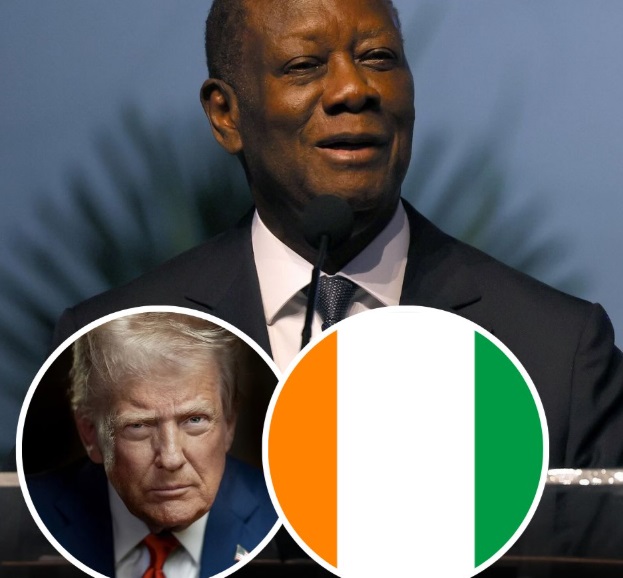
A US proposal asking Côte d’Ivoire to take in people expelled from the United States — many of them not Ivorian nationals — was quietly turned aside in Abidjan. The refusal, uncovered in a recent investigative report, sits inside a wider push by the Trump administration to expand deportations to so-called “third countries.”
At the heart of the episode is a mid-June 2026 diplomatic swing through West and Central Africa by a State Department official tasked with persuading foreign governments to accept deportees who hold no citizenship in the receiving nations.
That official, who heads a small State Department office handling remigration, sought commitments from several African capitals. In Abidjan, the conversations did not produce an agreement, and Ivorian authorities declined the request.
The mechanics of a deportation model built on third countries
The approach reflects a broader strategy by the Trump administration to route removals toward nations with no prior connection to the individuals being expelled.
The concept is relatively new in practice: a person can be sent from the United States to a country where they are not a national and where they may have no prior ties at all.
Internal State Department figures reviewed during the investigation show that by late June 2026, Washington had authorized or pledged at least $410 million to secure arrangements with 31 countries, most of them in Africa and Latin America.
Since 2025, more than 25,000 people are said to have been expelled to at least 28 third countries, based on an analysis drawing on multiple independent sources.
Some governments have accepted foreign nationals in exchange for funding or other forms of assistance. The investigation points to direct financial commitments made to several governments.
Why Abidjan declined the arrangement
It is against this backdrop that the Ivorian leg of the mission took on particular weight.
The US official, who runs an office of roughly fifteen people inside the State Department, was mandated to negotiate with foreign governments on hosting deportees from the United States.
But in Abidjan, no deal materialized.
Côte d’Ivoire does not appear among the countries that had concluded an operational agreement of this kind in the US data made public for June 2026.
A sensitive policy under legal and humanitarian scrutiny
The question of third-country deportations remains deeply contentious.
Washington frames the policy as a way to remove individuals under deportation orders when their countries of origin refuse or are unable to take them back.
Human rights organizations and lawyers representing deportees have challenged aspects of the system, particularly the safeguards offered to individuals before they are transferred to a third country.
A US federal appeals court ruled in September 2026 that the policy was unlawful in a case centered on the lack of sufficient protections for those affected. The Trump administration was expected to appeal to the Supreme Court.



Commentaires Facebook