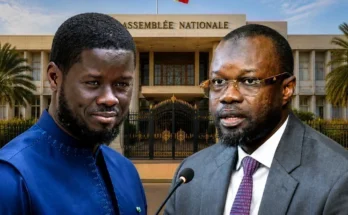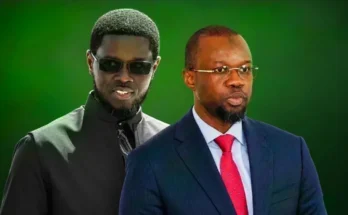
Once united to prevent the President from exiting the Higher Council of the Judiciary, despite reforms being explicitly pledged, their collaboration now raises questions about accountability and delayed promises.
Similarly, calls to address leadership appointments within state institutions—clearly outlined in their shared program—were largely overlooked. The pledge to repeal the amnesty law remained unfulfilled, leaving the status quo intact.
Financial transparency also took a backseat as political funds were distributed without oversight, even though parliamentary approval for stricter regulations was secured months into their administration. This oversight highlights a disconnect between rhetoric and action.
Political accountability takes center stage amid leadership disputes
Those who deferred reforms during the alliance now exhibit sudden zeal for overdue changes, shifting focus from shared responsibility to divisive narratives. The National Assembly, a pillar of the Republic, deserves better than partisan conflicts and staged confrontations that distract from collective obligations.
Transparency and legacy: the unmet demands of Senegal’s political reform
Institutional bodies like the United Nations and the African Union have long emphasized the necessity of transparent asset declarations as a cornerstone of anti-corruption efforts. Yet, these measures remain pending, overshadowed by political maneuvering.
The debate surrounding political funds transcends partisan divides, raising broader questions about governance, equity, and the integrity of state institutions. Without concrete action, promises risk becoming hollow, eroding public trust in leadership.
Accountability beyond rhetoric
True reform requires more than declarations—it demands tangible steps. The failure to address critical issues like judicial independence, leadership appointments, and financial oversight underscores a pattern of unmet commitments, regardless of political affiliations.
Legacy of sovereignism: where does Ousmane Sonko stand?
Public discourse has positioned Ousmane Sonko within Senegal’s sovereignist tradition, drawing comparisons to historic figures. Yet, the gap between historical legacy and present-day actions reveals a complex narrative—one that challenges the authenticity of claims versus outcomes.
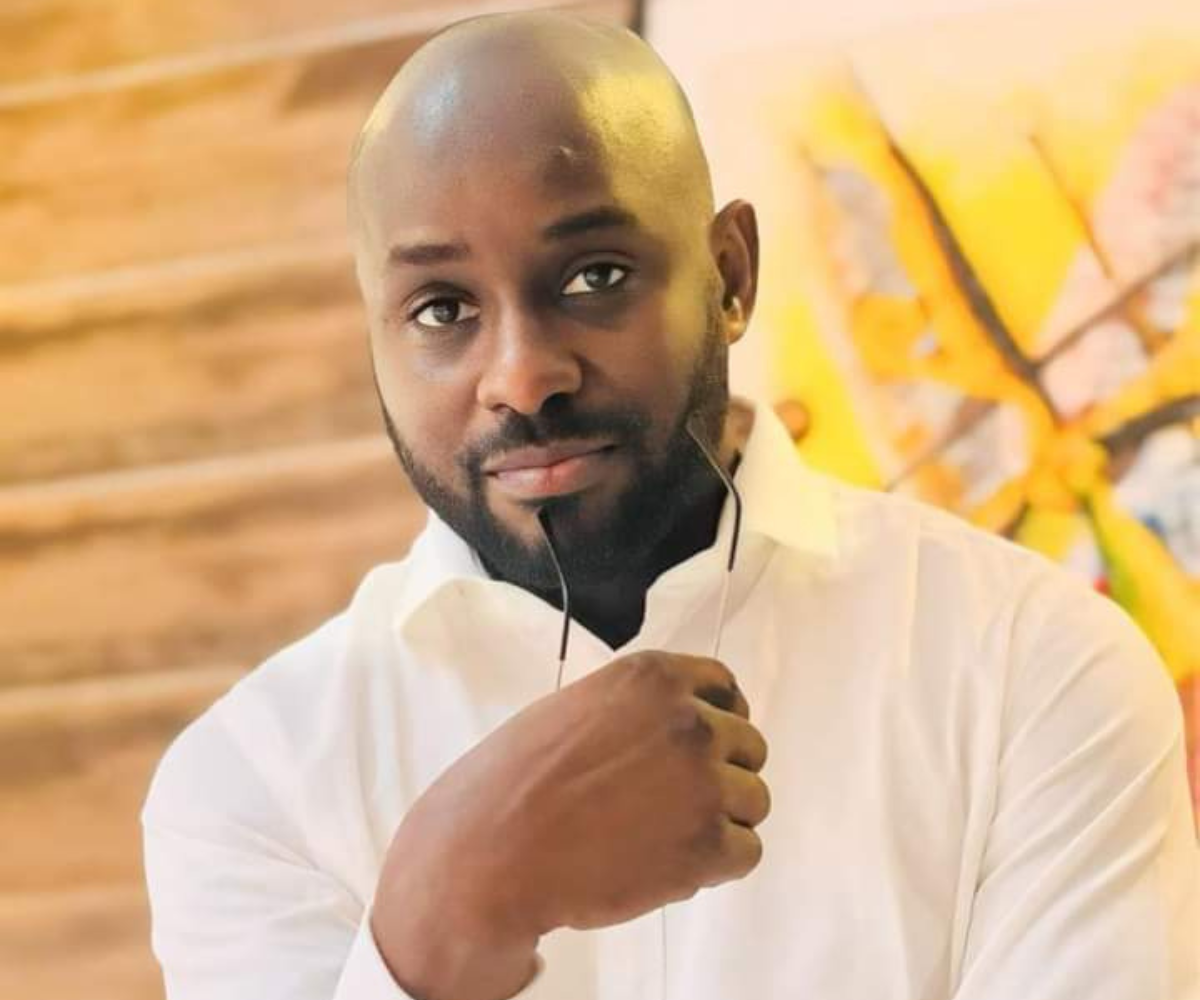
Thierno Bocoum
President, AGIR-LES LEADERS