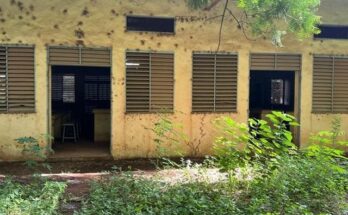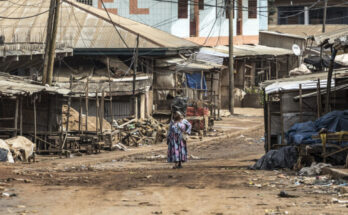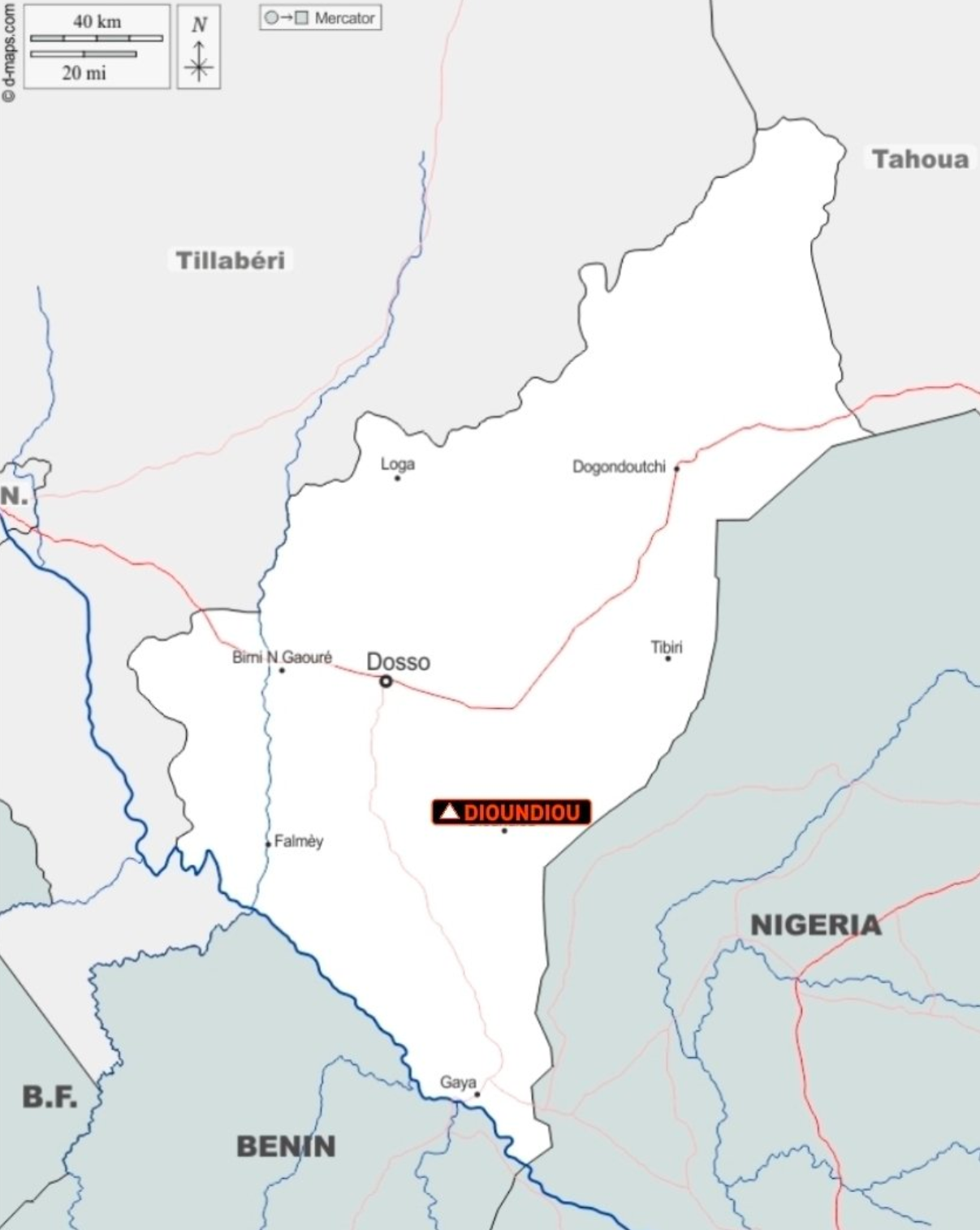
The peaceful villages of Libo I and II, nestled in the Dioundou area of Niger’s Dosso region, have been struck by a wave of unprecedented violence over the past four days. In a brutal sequence of attacks, these communities have been left shattered, their inhabitants traumatized and their livelihoods destroyed.
The first assault: a night of terror
Just after midnight on May 25, 2026, armed assailants stormed into Libo I and II. The attackers, whose identities remain unconfirmed, opened fire indiscriminately, plunging the villages into chaos. By dawn, six civilians lay dead, their lives cut short in a senseless display of brutality. The survivors, still reeling from the shock, were left to mourn the loss of neighbors and family members.
The second wave: a deliberate campaign of destruction
Four days later, the attackers returned—this time with a chilling purpose. Their mission was not merely to kill but to annihilate the very foundations of survival for the villagers. Setting fire to homes and granaries, they reduced decades of hard-earned stability to ashes. The flames consumed not just shelter but the food reserves that would have sustained these communities through the coming months. To compound the devastation, the assailants seized nearly all livestock, stripping the survivors of their only economic lifeline. Left with nothing, the villagers now face an uncertain future, their hope replaced by the gnawing fear of further attacks.
Suspicions point to the ISSP Lakurawa faction
Initial investigations and local accounts strongly suggest the involvement of the ISSP Lakurawa, an armed group linked to the Islamic State in the Sahel Province (IS-Sahel). Known for its ruthless tactics, this faction has been steadily expanding its influence across Niger’s border regions, exploiting gaps in security and the state’s limited reach. Their signature—nighttime raids, summary executions, systematic looting of livestock, and the torching of homes—has become a grim pattern in this escalating conflict.
For Libo I and II, historically spared compared to the violence ravaging the “three borders” area, this sudden onslaught marks a tragic turning point. The attack has shattered the fragile sense of security that once existed, leaving residents gripped by fear and uncertainty about what comes next.
Military rule’s failure to protect civilians
The recent attacks in Dioundou underscore the National Council for the Safeguard of the Homeland (CNSP)’s glaring inability to fulfill its primary duty: ensuring the safety of Niger’s people. Since the 2023 coup, the security situation has deteriorated sharply, despite the military junta’s promises of restoration. The shift in alliances, with Niamey severing ties with Western partners in favor of new strategic relationships—including Russian support—has yet to translate into tangible protection for rural communities like those in Dioundou. Patrols and defense strategies touted as game-changers have fallen short, leaving civilians vulnerable to mobile, heavily armed groups that roam the countryside with impunity.
A widening crisis: from rural villages to critical infrastructure
The tragedy in Libo I and II is not an isolated incident but part of a troubling national pattern. Over recent months, armed groups have escalated their operations, targeting not only remote villages but also key infrastructure such as airports and major logistics hubs. These attacks, once unthinkable in supposedly secure zones, reveal the depth of the country’s security collapse. If even the most fortified installations cannot be shielded from assault, how can isolated border communities expect protection? The recent wave of violence demonstrates that terrorists are not only expanding their reach but also maintaining a tactical advantage that leaves authorities struggling to respond.
The call for urgent action
Today, Libo I and II stand as hollowed-out shells of their former selves. A portion of the population has already fled, joining the growing ranks of internally displaced persons across Niger. The loss of six lives and the destruction of livelihoods for hundreds more serve as a stark reminder of the crisis unfolding across the nation. The military junta’s rhetoric of sovereignty and national pride rings hollow in the face of such devastation. With groups like ISSP Lakurawa tightening their grip and violence spreading, the risk of Niger descending into deeper chaos looms larger every day. Without a fundamental rethink of military strategies and a renewed commitment to protecting civilians, the future for communities like those in Dioundou remains bleak.