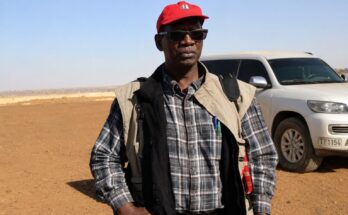
In Togo, the case of Marguerite Gnakadé has emerged as a defining example of the political tensions gripping the nation. Once a prominent figure in the government as the country’s first female Minister of Defense—a position she held from 2020 to 2022—she has now spent 277 days in detention following her public criticism of the administration led by Faure Gnassingbé and her calls for a peaceful political transition.
Her outspoken stance, though particularly striking given her familial ties through marriage to the Gnassingbé dynasty, demonstrated an unprecedented challenge to the established order. Gnakadé repeatedly argued that Faure Gnassingbé’s continued leadership failed to address the aspirations of the Togolese people, advocating instead for systemic change without resorting to violence.
On September 17, 2025, security forces raided her residence in Lomé, detaining her on charges including undermining state security and inciting rebellion. The arrest sent a clear message about the consequences faced by those who dare to oppose the regime, even from within its inner circles.
The detention of Gnakadé has sparked widespread debate, with opposition figures and human rights advocates framing it as part of a broader pattern of repression. Critics point to the systematic suppression of dissent, where public criticism of the government often leads to judicial harassment, forced exile, or imprisonment. Civil society organizations and activists have long condemned the erosion of democratic freedoms, emphasizing that no voice—regardless of its origins—is safe from retribution.
Gnakadé’s case carries added significance as she was not an outsider but an insider—a former architect of government policy who later became one of its most vocal critics. Her prolonged detention is widely interpreted as a warning to others within the system who may consider challenging the status quo. Observers suggest that her arrest signals an uncompromising stance toward any form of political opposition, no matter how deeply rooted in the regime’s legacy.
Reports indicate that her legal proceedings have moved at a glacial pace, compounded by growing concerns over her deteriorating health. After nearly a year behind bars, the central questions remain unanswered: Why has a figure advocating for governance reform been held without trial for so long? What are the limits of political expression in Togo? And, fundamentally, how inclusive is the Togolese political landscape in an era where the Gnassingbé family has maintained power for over six decades—first under Gnassingbé Eyadéma and now under his son, Faure?
For her supporters, Gnakadé’s continued detention serves as a litmus test for the rule of law in Togo. It underscores the challenges faced by those who seek to propose an alternative to the entrenched political elite, raising urgent questions about the nation’s commitment to democratic pluralism.