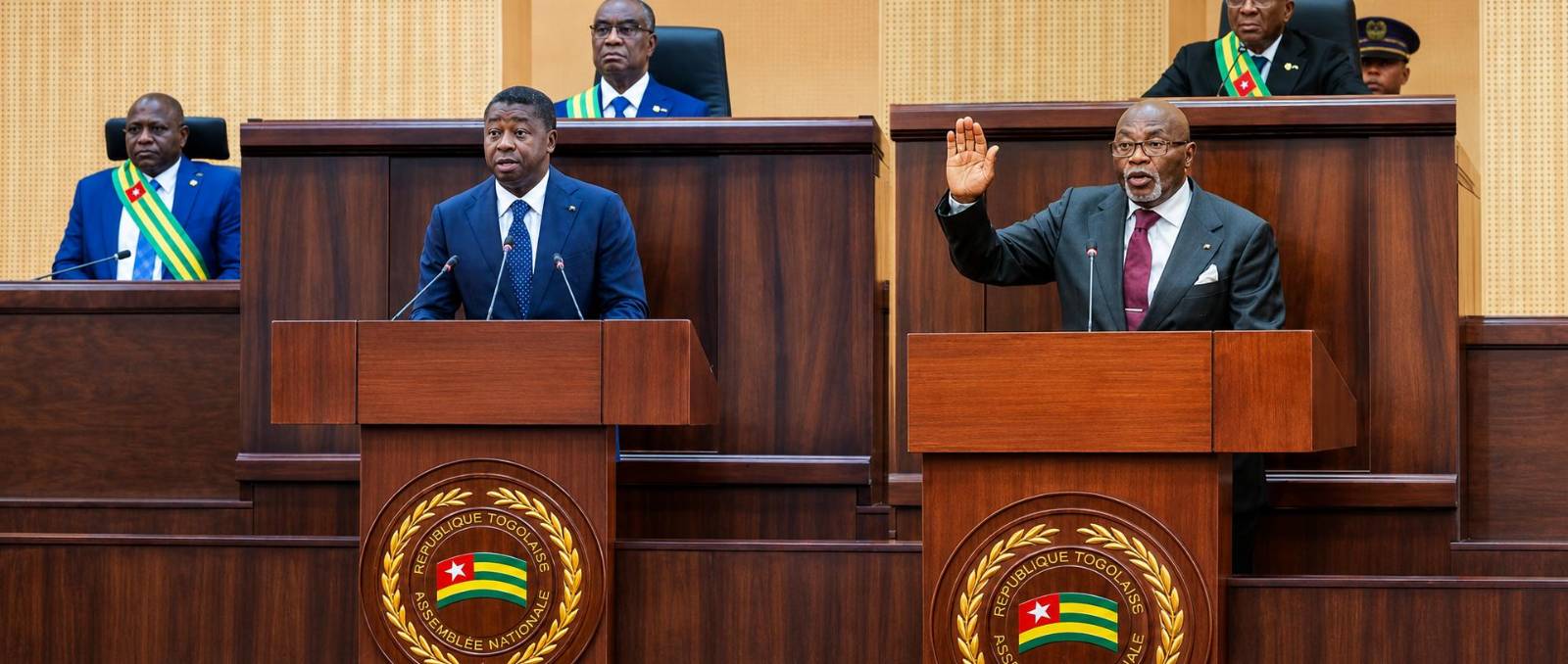
Togo recently enacted a significant constitutional amendment, widely perceived as dismantling democratic succession. On April 19, the nation transitioned from a semi-presidential framework to a tailored parliamentary model. Beneath the technicalities of this transformation lies a clear objective: to cement Faure Gnassingbé’s perpetual hold on the presidency.
The strategy for absolute control
In this revamped governmental structure, the role of the President of the Republic is largely ceremonial, stripped of substantial authority. The head of state is now merely a symbolic figurehead, devoid of genuine executive powers.
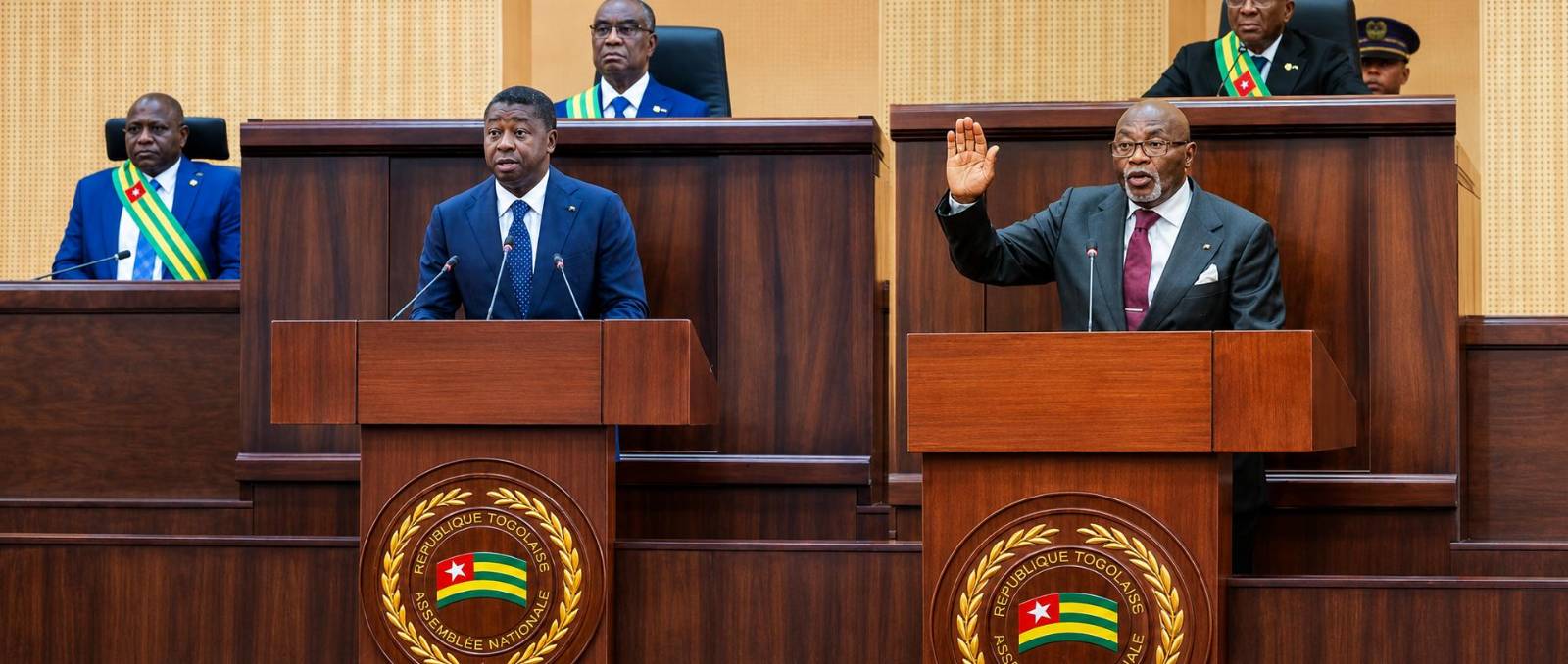
Conversely, the true locus of power rests with the President of the Council of Ministers. This position, meticulously crafted for and by Faure Gnassingbé, centralizes all real authority, including command over the armed forces, diplomatic relations, and state administration. This apparent dualism functions as a mere smokescreen, designed to obscure the unchecked dominance of an individual unwilling to relinquish control.
Faure Gnassingbé: the prospect of perpetual rule
The critical turning point in this constitutional overhaul is the de facto elimination of presidential term limits. By aligning the head of government’s position with a simple parliamentary majority – an assembly overwhelmingly controlled by the ruling party – the system effectively dismantles the final legal constraint on indefinite political tenure.
This “constitutional maneuver” essentially secures an irremovable position for Faure Gnassingbé. By bypassing direct presidential elections, he circumvents the unpredictability of a popular vote that might no longer be within his command. This measure guarantees a continuation of dynastic power for the leader who has governed Togo since 2005, following in his father’s footsteps.
The erosion of citizen suffrage
The most significant critique leveled against this new constitution is the profound disempowerment of the populace in favor of a single individual. By shifting to this parliamentary model, the citizens of Togo are effectively removed from the decision-making process; they no longer directly elect the person who guides their national destiny. Under Faure Gnassingbé’s extended leadership, elections risk becoming mere administrative formalities between political factions.
Public discourse is overshadowed by backroom negotiations, transforming Togo’s democratic framework into a legalistic trap. This tight political lockdown leaves no avenue for political alternation. By disconnecting the leadership from its popular base, this reform underscores that Togo’s Fifth Republic has evolved into a dictatorship, now equipped with the legal instruments to maintain Faure Gnassingbé in power indefinitely.