After years of stringent restrictions on public gatherings, Togo’s opposition coalition has successfully organized a permitted rally in Lomé. This landmark event raises a critical question: Is the country witnessing a genuine political opening, or merely a temporary easing of tensions?
Opposition coalition CNCC makes its debut
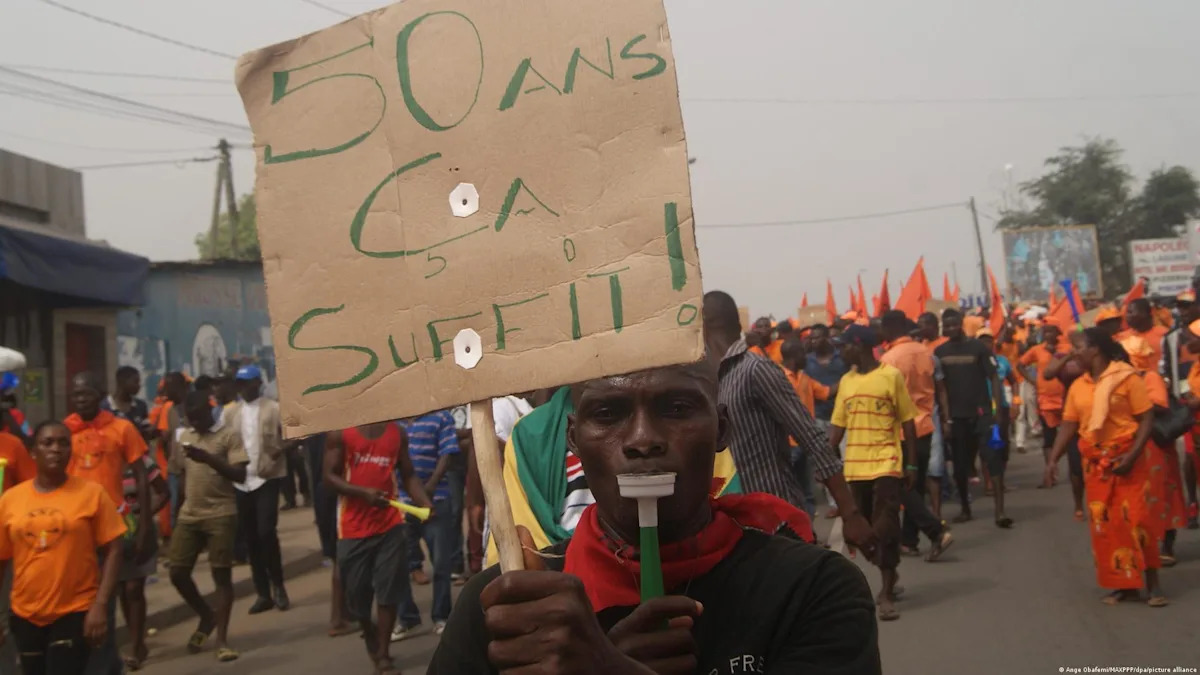
Hundreds of citizens gathered this past Saturday for the first public meeting of the National Framework for Consultation for Change in Togo (CNCC), a coalition uniting four opposition parties and civil society organizations.
Davdi Dosseh, a spokesperson for the Front citoyen Togo debout, shared the coalition’s core demands: “We demand a shift in governance. Togo suffers from systemic corruption, crumbling public services, and stagnation. The nation isn’t moving forward—it’s regressing.”
He emphasized the persistent obstacles faced by opposition groups: “For years, authorities have cited spurious reasons to ban peaceful assemblies. But we will not yield.”
Is this a sign of lasting change?
Paul Amégankpo, a political analyst and director of the Togolese Tamberma Institute for Governance, cautions against premature optimism. While he acknowledges the significance of the government’s decision to permit the march, he warns it may be a calculated move rather than a fundamental shift.
Amégankpo notes: “The authorization of this peaceful opposition rally on May 9, 2026, in Lomé is a step in the right direction. However, given the broader political climate, it should be viewed with caution—as a potential effort to relax restrictions on peaceful protest, association, and political activity.”
He stresses that the true test will come in the coming weeks: “We must wait for additional signals—further acts of openness—to confirm whether this marks a definitive trend toward greater political and civic freedoms.”
What’s next for Togo’s democracy?
With no official response from authorities yet, all eyes are on the government’s next moves. Will this event pave the way for a broader democratic space, or will it remain an isolated concession in an otherwise tense political landscape?
The answer may unfold in the coming weeks, as citizens and analysts alike watch closely for signs of sustained progress.