An independent inquiry commission from the United Nations disclosed alarming information in Geneva, detailing acts of “exceptional gravity” occurring in the eastern region of the Democratic Republic of Congo (DRC). The commission specifically documented instances of sexual violence, illegal executions, and the forced conscription of children.
The eastern part of the Democratic Republic of Congo, a territory abundant in natural resources, has been embroiled in conflict for three decades. This ongoing strife primarily involves the Congolese army and the M23 armed group, particularly impacting the Nord-Kivu and Sud-Kivu provinces. The UN commission’s findings underscore the extreme severity of the violence gripping this volatile region, highlighting a deeply concerning humanitarian crisis.
- Focus: The UN has established an inquiry commission to investigate violence in Nord and Sud-Kivu.
Escalating challenges for local communities
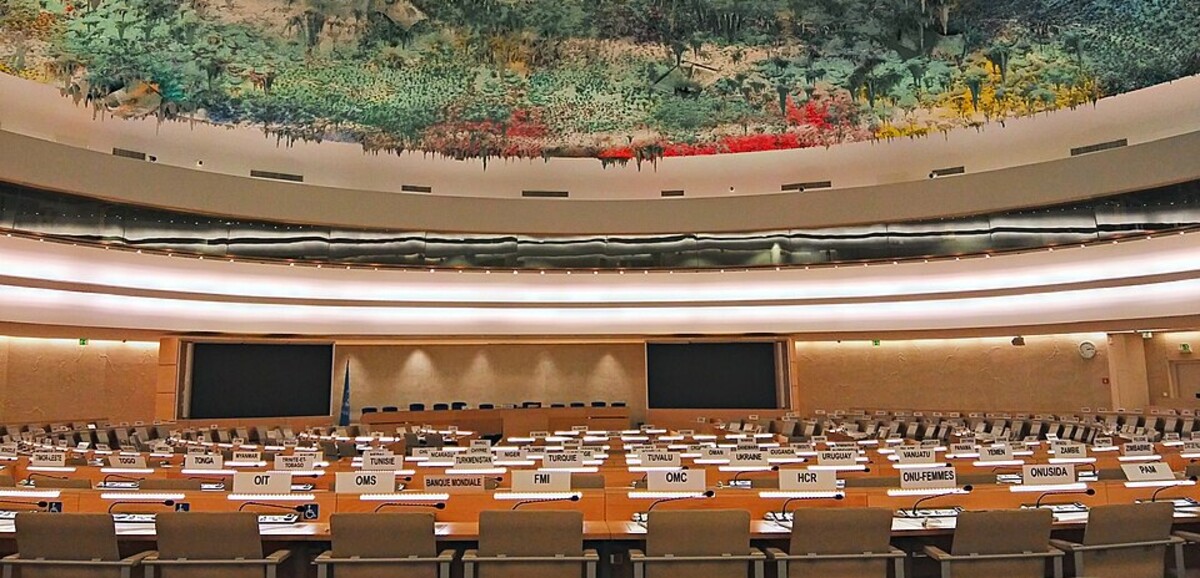
During a presentation to the Human Rights Council, the commission revealed that it had gathered extensive testimonies pointing to a drastic deterioration of conditions in Nord-Kivu and Sud-Kivu. Residents in these provinces are described as “vulnérable et sans protection” (vulnerable and without protection) as the conflict intensifies and public institutions weaken. Arnauld Akodjenou, who chairs the commission, stated that the information brought to their attention indicates a situation of “gravité exceptionnelle” (exceptional gravity). He further elaborated that investigators received “témoignages profondément préoccupants” (deeply troubling testimonies) concerning children, conflict-related sexual violence—including sexual slavery—forced recruitment, unlawful killings, arbitrary arrests, and targeted attacks on educational and healthcare facilities.
Initial phases of the investigation
Mandated by the Human Rights Council, the commission is tasked with investigating alleged violations of international humanitarian law and human rights within the two eastern provinces of the DRC. While emphasizing that their investigations are still in a preliminary phase, and they cannot yet offer definitive conclusions regarding “la nature ou l’ampleur des violations, ni de tirer des conclusions définitives” (the nature or extent of the violations, nor draw definitive conclusions), the commission has nonetheless received reports of significant impediments to humanitarian access. Furthermore, accounts of mistreatment in detention centers and threats against human rights defenders and journalists documenting abuses have also surfaced. Experts are urging all parties involved in the conflict to ensure “sûr, rapide et sans entrave” (safe, rapid, and unimpeded) humanitarian access. They also implore both Congolese authorities and the international community to back “crédibles et indépendantes” (credible and independent) investigations and to enhance the protection of civilians. “Les souffrances portées à notre attention appellent plus que de la préoccupation” (The suffering brought to our attention demands more than just concern), Akodjenou asserted. “Elles exigent une attention soutenue, une enquête rigoureuse et un engagement international déterminé” (It requires sustained attention, rigorous investigation, and determined international engagement).
- forced recruitment
- Human Rights Council
- executions
- violence
- drc
- democratic republic of Congo
- un
- sexual violence
- inquiry
- inquiry commission
- conflict
Related Posts