UN experts warn Mali against restricting political parties
International human rights experts have strongly criticized a recent decree in Mali that suspends political party activities, calling it a direct violation of fundamental rights. The move follows the adoption of a draft law that could further undermine democratic freedoms, according to a joint statement released by United Nations specialists.
Draft law raises serious concerns
The decree, along with proposed amendments to political party regulations, has drawn sharp condemnation from global rights advocates. Experts argue that suspending political organizations without legitimate justification contradicts Mali‘s international obligations regarding freedom of association and expression.
The government claims the reforms aim to curb the “proliferation” of political parties. However, critics argue that the proposed measures—such as imposing heavy financial deposits for registration—would disproportionately favor wealthy elites while marginalizing smaller, independent groups. Experts emphasize that fair electoral rules, rather than financial barriers, should determine party legitimacy.
Consultations marred by repression concerns
While authorities cite the 2021 Assises Nationales de la Refondation and 2025 political charter consultations as justification, human rights experts point to a climate of repression that undermines genuine dialogue. Independent journalists and opposition figures face threats, making open debate nearly impossible, they warn.
Several political parties boycotted the April 2025 consultations, fearing the process was being manipulated to dissolve rival groups or restrict their activities. Meanwhile, the transitional government has proposed extending the current president’s term by five years without elections—a move critics say disregards both domestic and international commitments.
Call to reject restrictive legislation
The draft law is now under review by Mali‘s transitional council, led by General Malick Diaw. Human rights experts urge the council to reject the proposal, stressing that the legislation would violate core democratic principles.
« The suspension of political activities must be reversed immediately, and any restrictive laws must align with international human rights standards, » the experts stated. They offered technical assistance to revise the draft, ensuring compliance with global norms.
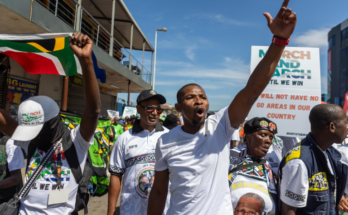
In response to the decree, opposition parties organized protests on May 3 and 4, but reported violent interference by pro-government groups. Further demonstrations are planned for May 9. Experts reiterated that peaceful assembly is essential for a functioning democracy and called on authorities to protect protesters’ rights.
Key figures behind the statement
- Eduardo Gonzalez – UN Independent Expert on human rights in Mali
- Irene Khan – UN Special Rapporteur on freedom of opinion and expression
- Gina Romero – UN Special Rapporteur on freedom of peaceful assembly and association
Note: UN Special Rapporteurs and independent experts are part of the UN Human Rights Council’s Special Procedures. They serve voluntarily, without salary, and operate independently of governments.