The United Nations High Commissioner for Human Rights expressed deep concern on Thursday regarding the crumbling political landscape in Mali, noting that democratic values are being traded for increasingly harsh governance.
Indefinite postponement of the electoral process
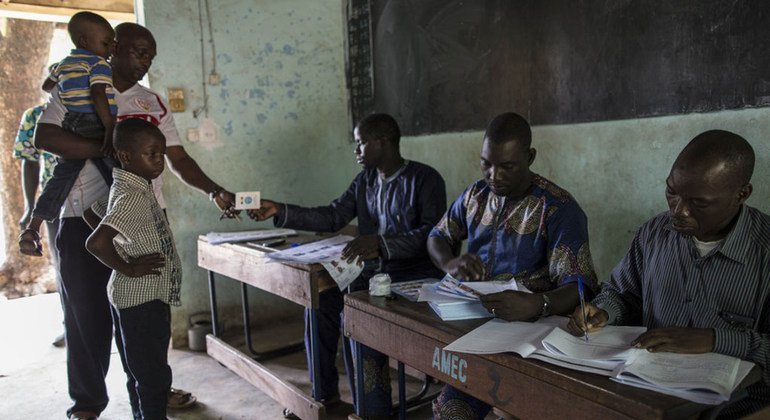
Nearly half a decade after the military coup that ousted President Ibrahim Boubacar Keïta—an event the UN Security Council previously denounced—the path back to civilian rule remains blocked. Since the 2018 presidential elections, Mali has not seen a return to the ballot box.
Recent legislative changes have further solidified the junta’s grip. A law passed on July 8 enables General Assimi Goïta to maintain his position as head of state indefinitely, citing the need for national pacification. This followed a May decree that effectively banned all political organizations. Volker Türk characterized these actions as a direct violation of the fundamental right of citizens to engage in public affairs and participate in elections.
A widespread crackdown on dissent
The tightening of political control has been mirrored by aggressive security measures targeting critics. Former Prime Minister Moussa Mara was recently detained after using the platform X to show support for political prisoners. He was accused of undermining the state’s credibility and resisting legitimate authority.
Volker Türk highlighted that such legal maneuvers are being used to silence opposition, noting a surge in arrests involving individuals from all walks of Malian life who are facing similar charges for expressing their views.
Escalating violence and civilian suffering
While the nation faces persistent threats from Al-Qaeda-linked GSIM and Daech, the military response has raised serious human rights concerns. Malian forces, supported by the Russian paramilitary group Africa Corps—the successor to the Wagner Group—are actively fighting these terrorist factions across the borders with Burkina Faso and Niger.
However, the civilian population is bearing the brunt of the conflict. Reports from the UN rights office indicate a disturbing rise in extrajudicial killings, forced disappearances, and arbitrary detentions since April, attributed to various parties involved in the fighting.
The UN concludes that Mali risks falling into a permanent state of political paralysis and violence if the suppression of democratic rights continues alongside widespread repression.