DRC humanitarian crisis: UN urges donors to fill 46.7% funding gap for 2026 response plan
- Society
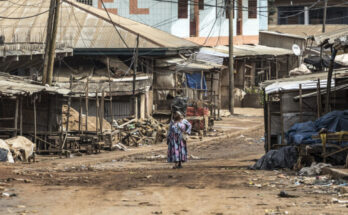
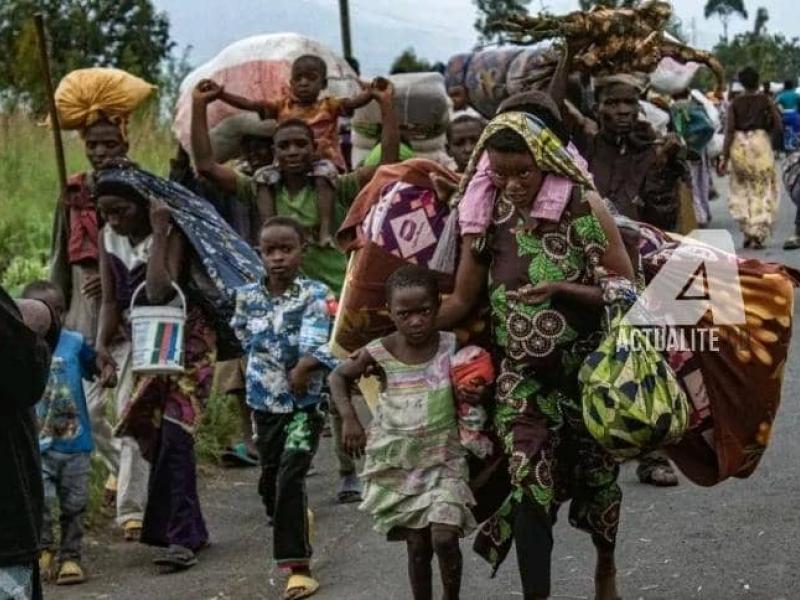
The escalating humanitarian crisis in eastern Democratic Republic of the Congo has reached alarming levels, prompting urgent intervention from United Nations officials. Speaking before the UN Security Council on Friday, June 26, 2026, James Swan, Special Representative of the UN Secretary-General and head of MONUSCO, delivered a stark assessment of the worsening conditions affecting millions of Congolese citizens.
With international humanitarian funding dwindling, Swan revealed that the 2026 Humanitarian Response Plan, launched in January, has secured only 53.3% of its required budget. The plan targets 7.3 million people in urgent need across the country, with a total funding requirement of $1.4 billion. Swan emphasized the critical need for immediate additional contributions to address the growing humanitarian needs in the DRC.
“The humanitarian crisis in the DRC remains severe. Nearly 27 million people—over a quarter of the population—are experiencing food insecurity. The 2026 Humanitarian Response Plan prioritizes assistance for 7.3 million people, requiring $1.4 billion in funding, of which only 53.3% has been secured. I extend my gratitude to donors for their contributions while urgently calling for the release of remaining funds to meet the critical needs in the DRC,” stated James Swan, head of MONUSCO.
The UN’s warning comes as fighting continues in several areas of North Kivu and South Kivu provinces in eastern DRC. Despite ongoing diplomatic efforts to achieve a sustainable ceasefire and implement peace agreements, humanitarian needs continue to rise.
The critical funding shortfall has forced the humanitarian community in the DRC to prioritize its response severely. The DRC government and humanitarian partners launched an urgent appeal for $1.4 billion in Kinshasa on January 28, 2026, to address the country’s humanitarian needs. These resources are deemed essential to support millions of Congolese trapped in one of the world’s most protracted and neglected humanitarian crises.
Insufficient funding in 2025 had devastating consequences. Over 1,000 nutrition centers were forced to close, depriving more than 390,000 children suffering from severe acute malnutrition of essential care. Additionally, 1.5 million people lost access to primary healthcare due to the closure of facilities, medicine stockouts, and reduced capacity for epidemic prevention and response. Monthly food assistance targets were cut by up to 73%, exposing vulnerable populations to increased risks of hunger and deprivation.
By Clément Muamba