Understanding the rise of JNIM and the threat to Mali
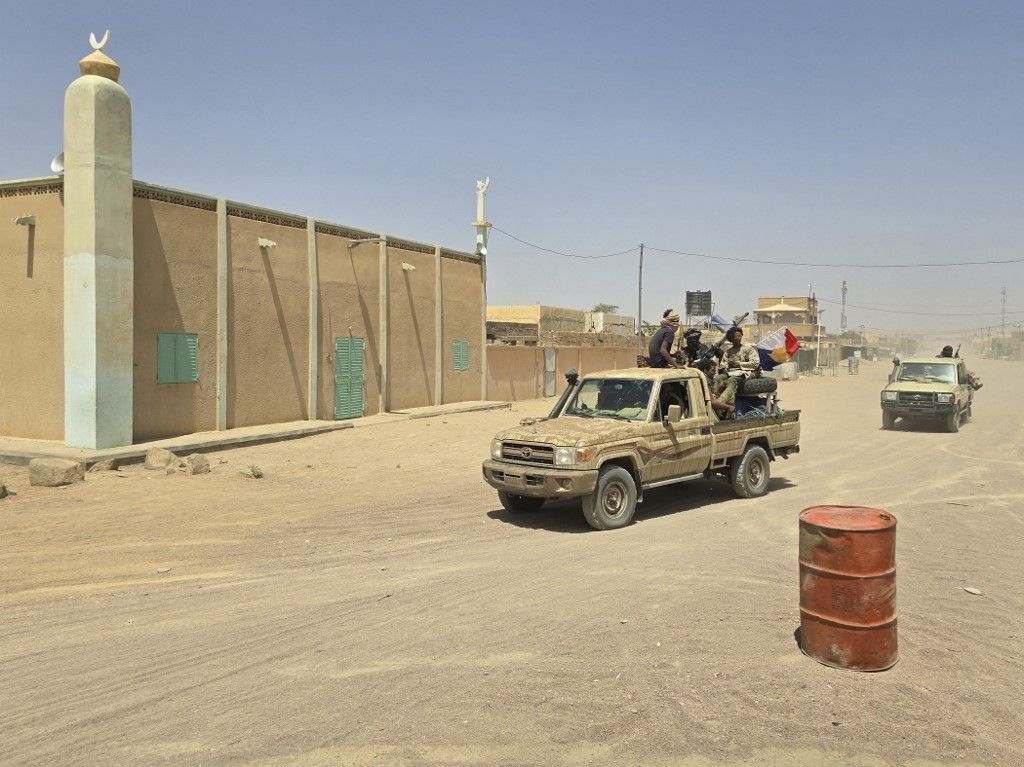
The Jama’at Nusrat al-Islam wal-Muslimin (JNIM) is currently posing a direct threat to Bamako. There are growing fears that the Mali capital could fall to this Al-Qaeda affiliate, which seeks to establish a fundamentalist Islamic emirate in the heart of the Sahel.

The Jama’at Nusrat al-Islam wal-Muslimin (JNIM) has reached the gates of Bamako. Should the capital succumb, this group—already recognized as the most potent militant organization in the Sahel—would gain control over a significant portion of Mali. Affiliated with Al-Qaeda, JNIM is currently leading the insurrection, successfully pushing back governmental forces and Russian private military contractors.
The group was officially established on March 2, 2017, following the merger of four existing militant factions. Operating under Al-Qaeda‘s banner, JNIM has maintained a reign of terror throughout the region. Its leader, Iyad Ag Ghali—a former diplomat and Tuareg rebel—serves as the emir. The group’s influence has expanded rapidly since the withdrawal of France‘s Barkhane forces.
Establishing an Islamic emirate in the Sahel
The organization’s core ideology is based on a strict and rigorous interpretation of Islam. Their primary objective is the creation of a sovereign Islamic emirate spanning the Sahel region. This expansionist drive is a critical component of West Africa Burkina and Sahel regional instability.
In September 2025, JNIM initiated economic blockades around several key urban centers, a move intended to prepare for larger-scale military operations. By late April, the group launched a synchronized offensive alongside Tuareg separatists against the Mali military junta. With a force of roughly 5,000 combatants, JNIM has secured multiple tactical wins and is now threatening Bamako directly. This development highlights the deteriorating Burkina security situation in neighboring areas and the broader challenges facing the region today.