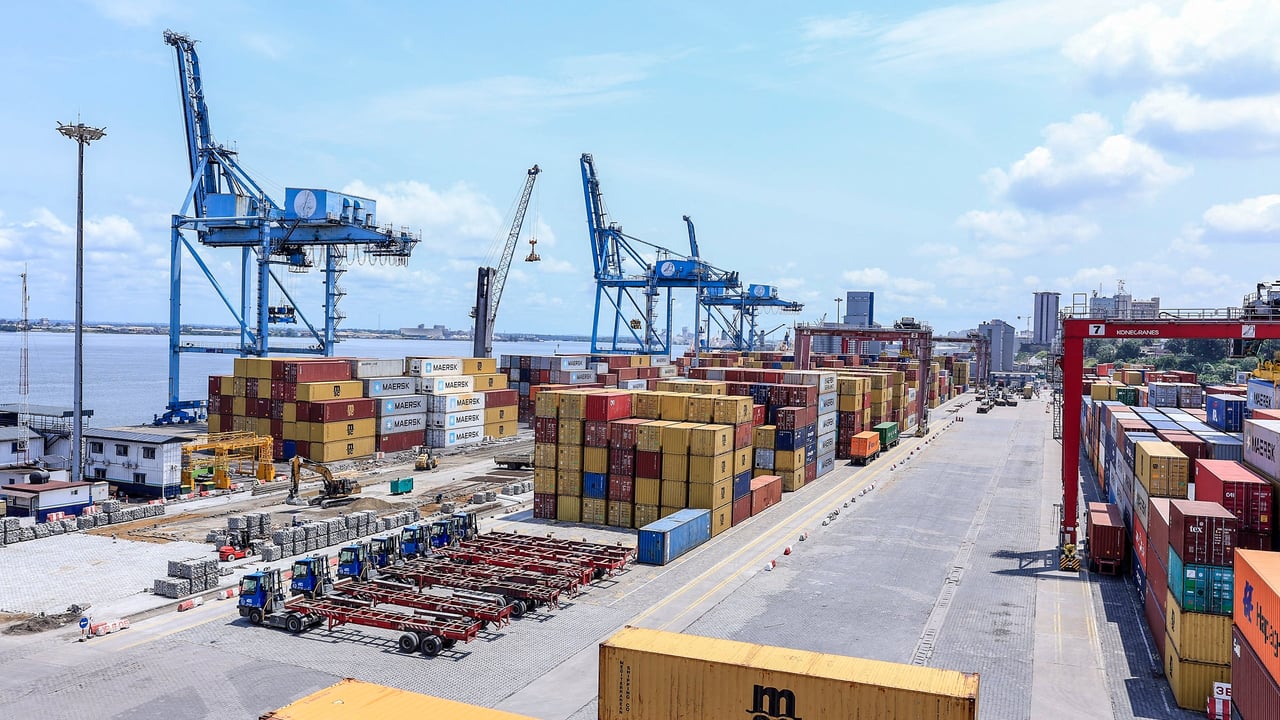

At the bustling Douala port, stacks of shipping containers mark a stark contrast between Cameroon’s economic ambitions and the slow absorption of development funds. Despite billions of dollars in concessional loans secured over the years, the country’s infrastructure and social programs remain underfunded, raising critical questions about financial efficiency and project execution.
where do the billions in development loans go?
Cameroon has long relied on external financing to bridge its development gaps, securing loans from major institutions like the World Bank and the African Development Bank. These funds, often earmarked for roads, healthcare, education, and energy projects, are intended to accelerate growth and improve living standards. Yet, a closer look reveals a persistent gap between disbursement and actual implementation.
Delays in project approval, bureaucratic hurdles, and weak oversight mechanisms are among the key factors stalling progress. In some cases, funds sit idle for years while paperwork accumulates, leaving communities waiting for promised improvements.
In 2024 alone, over $1.2 billion in development loans remained unutilized, according to recent financial reports. These untapped resources could have funded critical upgrades to Cameroon’s aging infrastructure or expanded access to essential services.
challenges in fund utilization
The issue isn’t just about securing loans—it’s about putting them to work effectively. Several systemic challenges hinder Cameroon’s ability to fully leverage these funds:
- Bureaucratic bottlenecks: Lengthy approval processes and overlapping regulatory requirements slow down project initiation. Ministries, agencies, and local governments often struggle to align their priorities, leading to duplication or abandonment of initiatives.
- Weak project management: Many infrastructure projects suffer from poor planning and execution. Cost overruns and delays are common, eroding public trust in government-led initiatives.
- Limited local capacity: A shortage of skilled personnel in project management and financial oversight limits the country’s ability to absorb funds efficiently. Training and institutional strengthening remain critical needs.
- Corruption risks: Inadequate transparency in fund allocation and spending creates opportunities for mismanagement. While reforms have been introduced, enforcement remains inconsistent.
These challenges are not unique to Cameroon, but they take on greater significance given the country’s pressing development needs. With a rapidly growing population and rising demands for services, the cost of inaction is steep.
a call for reform and accountability
Experts emphasize the need for a multi-pronged approach to unlock these dormant funds. Strengthening governance, enhancing transparency, and investing in local expertise are essential steps. The government has begun implementing reforms, including digitalizing procurement processes and streamlining approval workflows, but results will take time to materialize.
Civil society organizations are also playing a watchdog role, advocating for greater accountability in fund management. Their efforts aim to ensure that development loans translate into tangible benefits for citizens, particularly in underserved regions.
For Cameroon to fully harness its development potential, it must address the structural inefficiencies that keep billions locked away. The stakes are high—not just in financial terms, but in the quality of life for millions of Cameroonians.
As the country navigates these challenges, one thing is clear: development loans alone won’t drive progress. What’s needed is a commitment to reform, a focus on results, and the political will to turn promises into reality.
This article was written by a journalist on the ground in Cameroon.