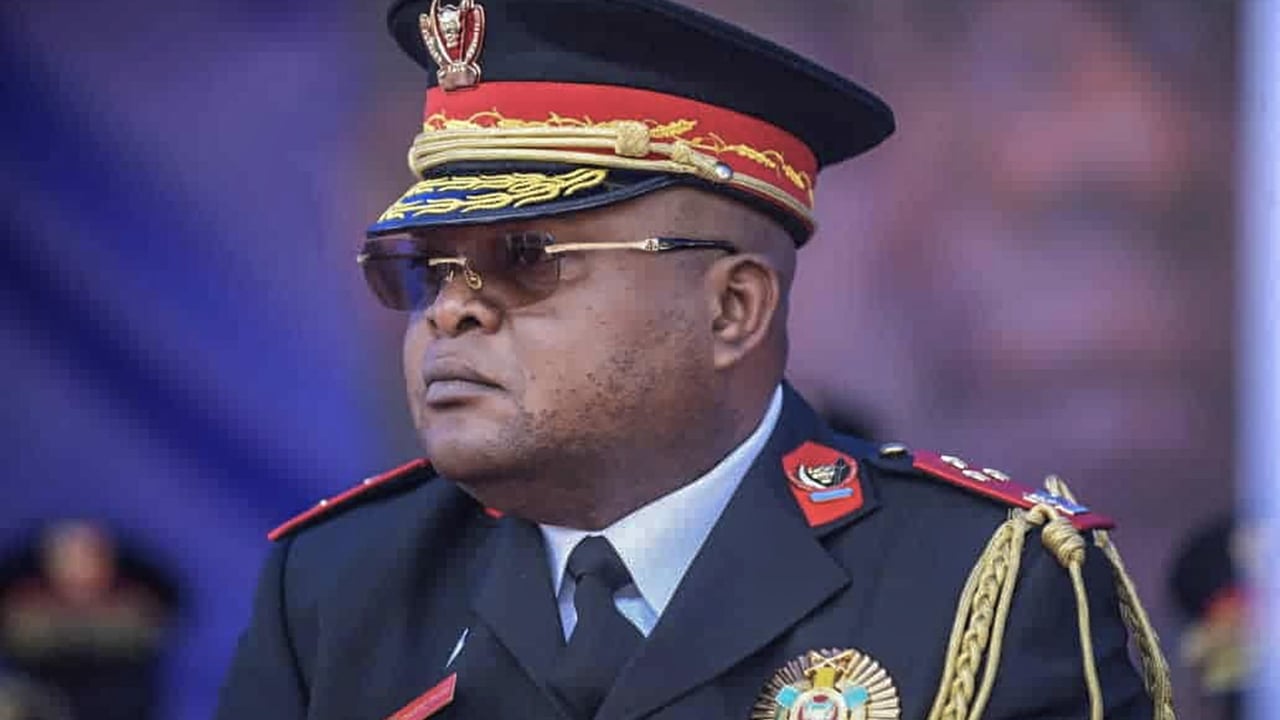
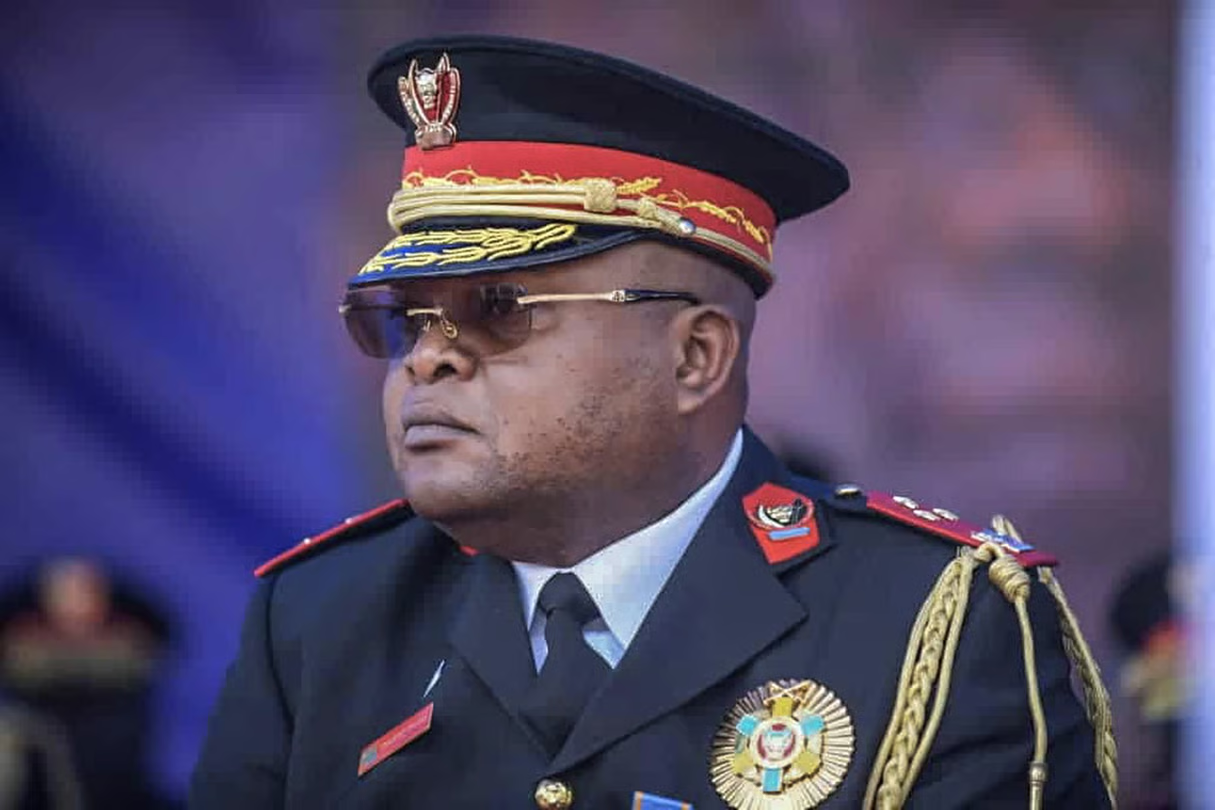
In Kinshasa, the trial of General Christian Tshiwewe Songesa, former Chief of General Staff of the Armed Forces of the Democratic Republic of Congo (FARDC), has taken an unprecedented turn. The proceedings, unfolding behind closed doors, have sent shockwaves through the national military hierarchy and raised questions about the future of leadership within the institution.
A historic military trial
The case against General Songesa, who served under both former President Joseph Kabila and current leader Félix Tshisekedi, marks a significant moment in the Democratic Republic of Congo’s judicial history. Charges remain undisclosed, but the secrecy surrounding the trial has fueled speculation about its implications for the country’s military and political stability.
The proceedings have drawn attention not only for their rarity but also for the prominent figures involved. As one of the highest-ranking officers in recent Congolese military history, Songesa’s legal troubles could reshape perceptions of accountability within the armed forces.
Reactions from the military and political spheres
Within military circles, the trial has sparked intense debate. Some officers view it as a necessary step toward transparency, while others see it as a potential threat to institutional cohesion. Meanwhile, political analysts are closely monitoring the situation, questioning how this case might influence upcoming elections or power dynamics in Kinshasa.
For ordinary citizens, the trial raises broader concerns about fairness and justice. Many wonder whether this high-profile case will set a precedent for holding other military leaders accountable for alleged misconduct.
What’s next for the FARDC?
As the trial continues, all eyes are on Kinshasa. The outcome could determine whether the FARDC takes decisive action to reform its ranks or faces further internal divisions. For now, the military establishment remains on edge, awaiting the next developments in this extraordinary legal saga.