Political analysis
Cameroon politics: is the presidency vacant?
This editorial examines the ongoing public debate sparked by President Paul Biya’s extended stay in Europe, raising questions about governance and constitutional legitimacy.
President Paul Biya’s extended European stay fuels constitutional debate
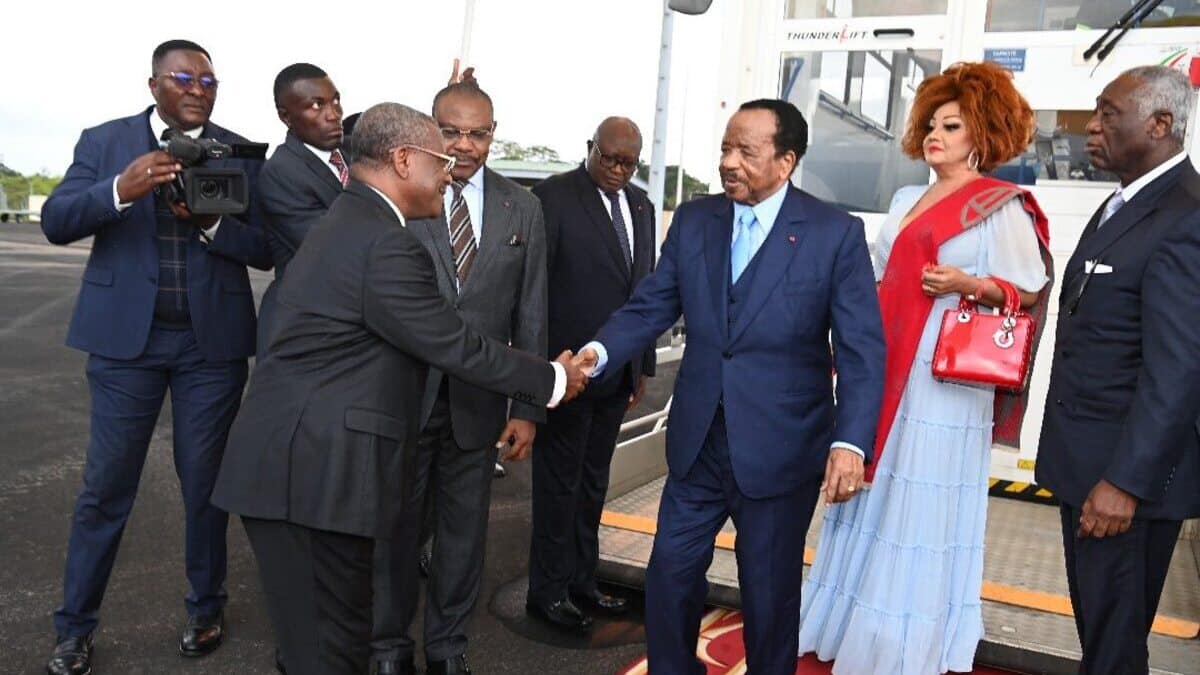
President Paul Biya, who has led Cameroon since 1982, has been in Europe since June 7, 2026, officially described as a ‘private visit’. The announcement, made by his Cabinet Director Samuel Mvondo Ayolo, initially framed the trip as brief, yet weeks have passed with no clear return date.
Media reports, particularly from established panafrican outlets, have confirmed the President is in Geneva, Switzerland—a location he has frequented throughout his decades in power. The prolonged absence has intensified public speculation about his health, despite repeated assurances from government officials. Some observers have even raised the possibility of a power vacuum in Cameroon, though such claims require careful constitutional scrutiny.
What the constitution says about presidential absence
Contrary to popular belief, Cameroon’s constitution does not link the concept of presidential vacancy to the number of days a leader spends abroad. The legal framework explicitly limits vacancies to three specific scenarios: death, resignation, or a definitive impediment preventing the President from carrying out duties.
However, the constitution does not define what constitutes a ‘definitive impediment’, leaving this critical question open to interpretation. Without a clear legal threshold, prolonged foreign travel alone cannot justify claims of a power vacuum, regardless of duration.
Governance without physical presence
Legally, President Biya could theoretically remain in Switzerland while fulfilling his presidential duties remotely for the remainder of his term without violating constitutional provisions. The issue, therefore, transcends legal technicalities and enters the realm of political ethics and public expectations.
The delayed formation of the new government following the October 2025 presidential election, along with the rushed reintroduction of the Vice-President position, has only amplified scrutiny of the President’s travel schedule. Notably, during his 43 years in power, President Biya has never signed a major decree from abroad—a practice that, while not illegal, contrasts sharply with contemporary governance norms.