Political analysis
Cameroon’s president in europe: is power really vacant?
Unusual absence: Cameroon’s president in Europe sparks debate
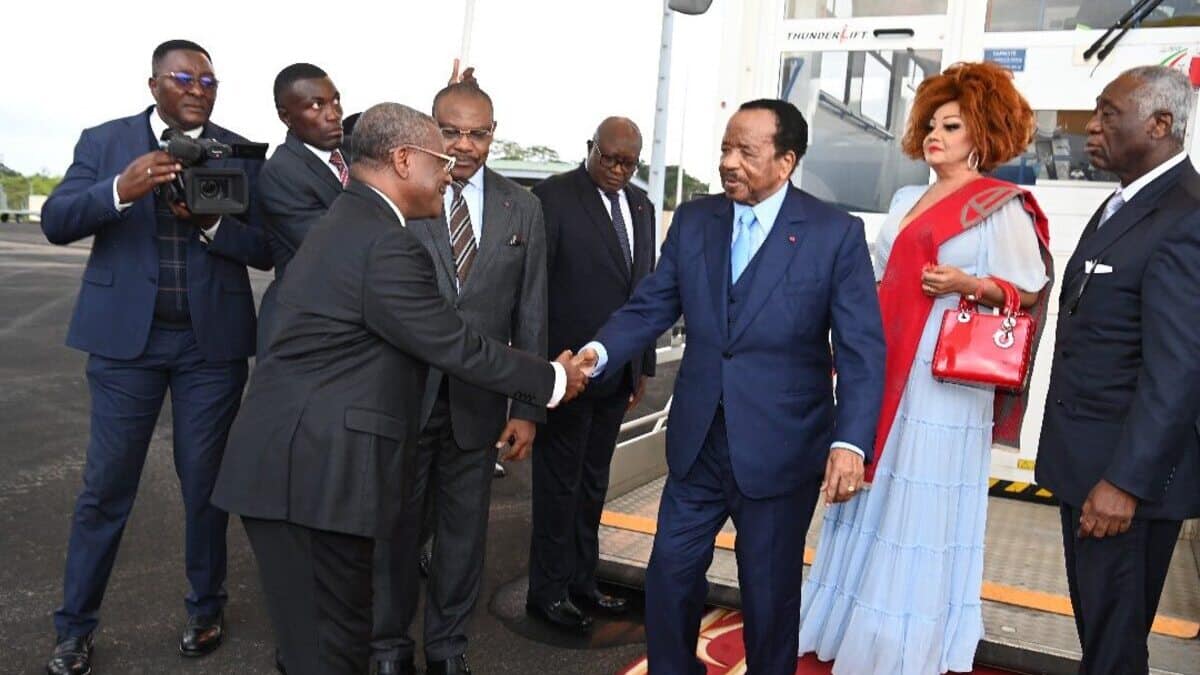
In his Monday editorial aired on Radio Tiémeni Siantou (90.5 FM in Yaoundé and Bafang), political analyst Eric Boniface Tchouakeu questions the prolonged private stay of Cameroon’s head of state in Europe. The President, Paul Biya, left Cameroon on June 7, 2026, officially for a “short private stay” in Europe, as stated in a press release from his Chief of Staff, Samuel Mvondo Ayolo.
While the government has confirmed his presence in Geneva, Switzerland—a city familiar to him since his rise to power in 1982—speculation about his health and possible power vacuum intensifies. Despite reassurances from authorities, many Cameroonians are closely monitoring the situation, counting the days since his departure.
What does Cameroon’s constitution say about presidential absence?
The constitution does not impose a time limit on the president’s stay abroad. Power can only be declared vacant under three strictly defined conditions: death, resignation, or definitive impediment. However, the term “definitive impediment” remains legally undefined, leaving room for interpretation.
Consequently, a prolonged stay outside the country does not, in itself, constitute a power vacuum. Legally, President Biya could continue governing remotely without violating any laws—though questions of political ethics arise.
Public impatience over the delayed formation of the government post-2025 presidential elections, coupled with the rushed reinstatement of the Vice-President role, may explain the increasing scrutiny of his absence. In over 43 years in power, the president has never issued a major decree from abroad, raising further concerns.
Be the first to comment


Comments