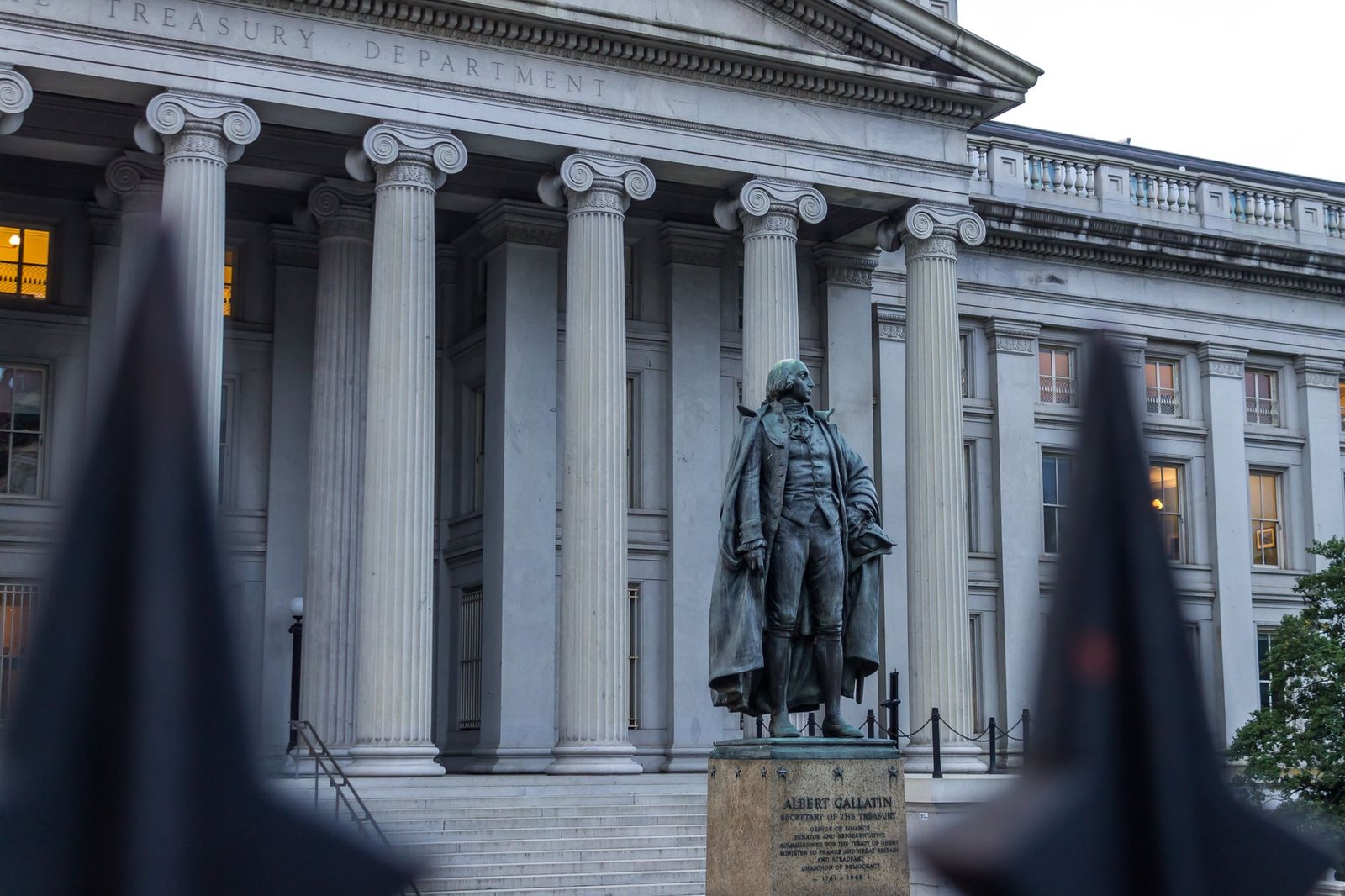
The United States has escalated pressure on key figures driving the conflict in eastern Democratic Republic of the Congo (DRC), targeting two individuals directly linked to the ongoing violence in North Kivu and South Kivu. The U.S. Department of the Treasury announced sanctions against a senior intelligence officer of the Alliance Fleuve Congo/Movement of March 23 (AFC/M23) and a commander of the Rwandan Democratic Forces for the Liberation of Rwanda (FDLR). This move follows earlier measures imposed on Rwandan military officials and institutions in early March, which accused Kigali of supporting the M23 rebellion.
Targeting the command structures of armed factions
The latest sanctions reflect a shift in U.S. strategy, moving beyond broad restrictions on organizations or state entities. By singling out specific operatives within the AFC/M23 and FDLR, Washington aims to disrupt the internal decision-making chains that sustain the conflict. The designated AFC/M23 intelligence leader is accused of playing a pivotal role in intelligence gathering and operational planning across North Kivu, where rebel forces have seized strategic territories, including Goma and Bukavu.
The FDLR commander, meanwhile, is a high-ranking figure in an armed group designated as a terrorist organization by multiple international courts. Originating from the remnants of Hutu extremist militias that fled to the DRC after the 1994 genocide, the FDLR has long been cited by Rwanda as a justification for cross-border military operations. By sanctioning figures from both groups simultaneously, the U.S. signals a refusal to prioritize blame and seeks to cut off financial lifelines to all armed actors involved.
Shifting U.S. diplomacy in the Great Lakes region
These sanctions are part of a broader diplomatic push by the U.S. administration to engage with Kinshasa, Kigali, and regional mediators. The March sanctions against the Rwandan Defence Forces (RDF) marked a significant departure by explicitly naming Rwandan generals and implicating the Rwandan military as a direct participant in the conflict. The latest measures extend this approach by targeting mid-level operatives within non-state armed groups, underscoring Washington’s intent to address the crisis at multiple levels.
Despite ongoing peace talks mediated by Qatar and Angola, the conflict shows no signs of abating. The M23 continues to hold significant swathes of territory, while ceasefire efforts remain fragile. While U.S. sanctions alone are unlikely to alter the military balance, they introduce financial and legal hurdles for the targeted individuals. Those listed face restrictions on accessing the international financial system, frozen assets under U.S. jurisdiction, and potential secondary sanctions against associates or business partners.
Measuring the impact of financial leverage
The effectiveness of such sanctions in a region where armed groups often bypass formal banking systems remains a topic of debate. Experts tracking conflict minerals—such as gold, tin, tantalum, and tungsten—have documented for years how these resources fund armed factions in eastern DRC, often through cross-border networks involving Rwanda, Uganda, and, to a lesser extent, Burundi.
While the immediate financial impact on the AFC/M23 and FDLR may be limited, the symbolic and secondary effects could be substantial. The sanctions provide a legal framework for European partners to adopt similar measures, as seen in March when Brussels imposed its own restrictions on Rwandan and Congolese figures linked to the conflict. The coordinated transatlantic response highlights a growing recognition among Western capitals of the need to address the crisis more assertively—a shift from years of relative inaction during which the M23 expanded its influence with minimal international scrutiny.
For the government of Félix Tshisekedi, these developments represent a diplomatic victory, aligning with Kinshasa’s long-standing demand for tougher measures against Rwanda and its proxies. For Rwanda, which consistently denies direct involvement, the expanded scope of U.S. designations complicates official narratives and the work of lobbyists in Washington, potentially straining its diplomatic maneuvering.