Vandalism at Gabon’s Communication Authority sparks concerns over institutional security
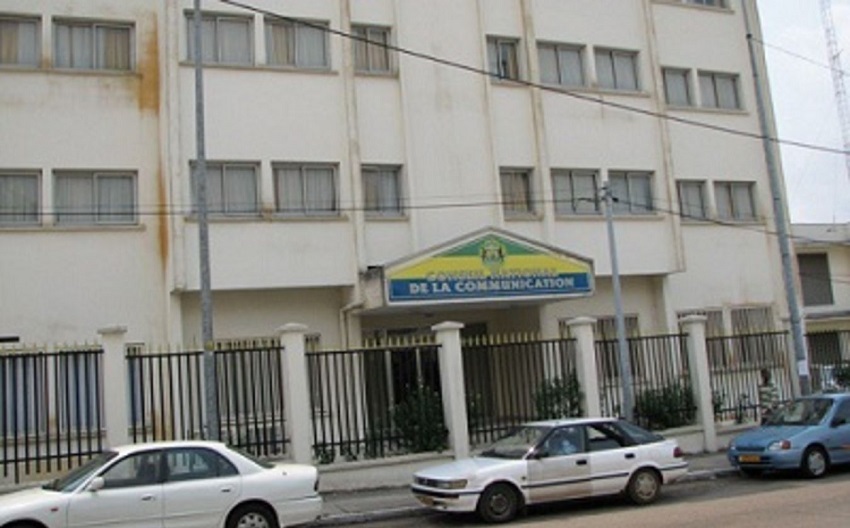
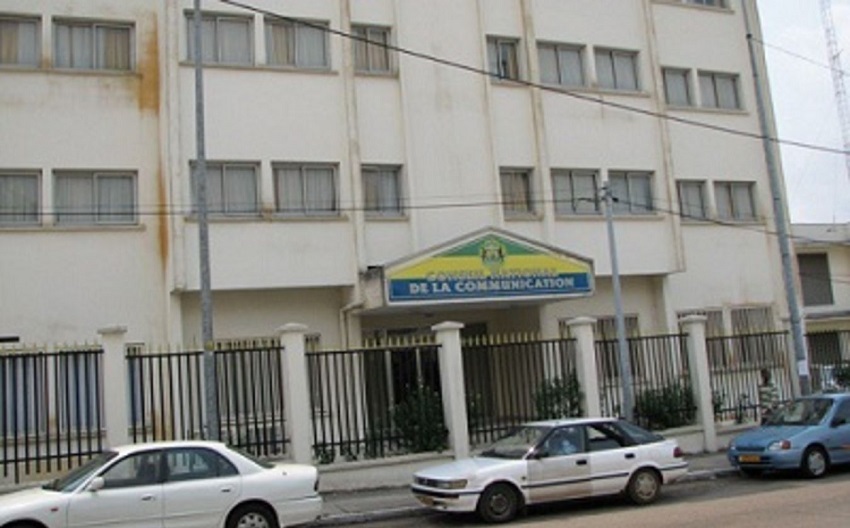
Libreville, June 3, 2026 – The deliberate destruction of offices within Gabon’s High Authority for Communication (HAC) has ignited urgent discussions about the safety of public institutions in the country.
This goes well beyond a mere act of vandalism. The targeted attack on the HAC, where multiple advisor offices were forcibly entered and ransacked, raises deeper concerns about the protection of state bodies responsible for maintaining public order and ensuring democratic stability.
In an era where media regulation, information governance, and public communication play pivotal roles in societal balance, any aggression against a regulatory authority carries significant implications.
Investigations confirm that unauthorized individuals gained entry to several HAC advisors’ offices by breaking down doors and forcing their way inside. The precise timing and method of intrusion remain under scrutiny, while authorities have yet to disclose the full extent of the damage or the nature of any compromised materials.
An institution vital to democratic function
The High Authority for Communication stands as a cornerstone of Gabon’s institutional framework. Its mandate includes overseeing compliance with media regulations, audiovisual communication standards, and public information integrity—all areas where freedom of expression, editorial responsibility, and public order intersect.
Although no evidence currently links this incident to the HAC’s regulatory duties, the breach underscores the critical need to safeguard institutions entrusted with upholding democratic principles.
Security gaps in public administration
One of the most alarming aspects of this case is the apparent ease with which intruders accessed multiple offices on different floors. This incident forces a reevaluation of the effectiveness of current security protocols in public buildings.
While the immediate impact is physical damage, the broader implication touches on the state’s ability to protect its most vital administrative infrastructure. In functioning democracies, regulatory bodies are typically afforded heightened security precisely because of the sensitive nature of the data they handle and their role in maintaining public trust.
This event in Libreville serves as a stark reminder that administrative security is not just a logistical concern—it is fundamental to the credibility and continuity of government operations.
Multiple motives under investigation
At this stage, several hypotheses are being considered. Was this a random act of destruction, a theft attempt, or a deliberate effort to access confidential documents or equipment? Without official details on what was disturbed or taken, definitive conclusions are premature.
That is precisely why a thorough investigation is essential. Authorities must determine the intruders’ intentions, methods, and any systemic weaknesses that enabled their entry.
A warning for all public institutions
This incident is not isolated to the HAC. It serves as a critical reminder for all public bodies in Gabon. As digital transformation accelerates, the handling of sensitive data and the management of governance processes become increasingly complex. Protecting institutional spaces is no longer optional—it is a strategic necessity.
The ongoing probe must identify those responsible, but the true challenge lies in learning from this breach. Institutions tasked with preserving democratic balance must be able to operate in environments where their security is guaranteed.
When a regulatory authority’s offices are forcibly entered, it is not merely a building that is violated—it is the very principle of institutional protection that is called into question.