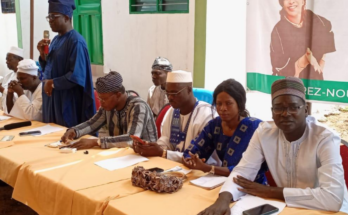
In a bold call for greater Christian participation in Senegal’s political arena, the Mouvement autonome chrétien pour le développement durable (MAC 20) highlighted the community’s underrepresentation in decision-making processes. Speaking at a forum in Mbour, south of Dakar, on June 10, 2017, the organization stressed that Christians must move beyond passive engagement to assume leadership roles in political parties and institutions.
The event, held under the patronage of Augustin Tine, then Minister of Armed Forces, was strategically timed ahead of the July 30 legislative elections. It brought together religious and political figures to discuss the theme: “Christian political engagement and leadership.”
Breaking the leadership barrier
The MAC 20, a civil society organization founded in February of that year, urged Catholics to step into the political fray with renewed vigor. In a statement attributed to its president, Emile Daly Diouf, the movement lamented the lack of Christian voices in high-level policy discussions. “Even as a minority, we must demand a stronger presence—not just in numbers, but in influence,” he asserted. “Christians are active in parties, but where are the Christian leaders shaping the national agenda?”
Diouf emphasized the need for believers to occupy strategic positions where key decisions are made. “We need Christians to speak up, to lead debates, and to advise policymakers,” he said. While stopping short of fielding candidates, the MAC 20 hinted at the possibility of endorsing presidential hopefuls in the 2019 election. “Our goal isn’t to run for office, but to support those who will champion our values and promote Christian leadership,” he explained.
A stark parliamentary reality
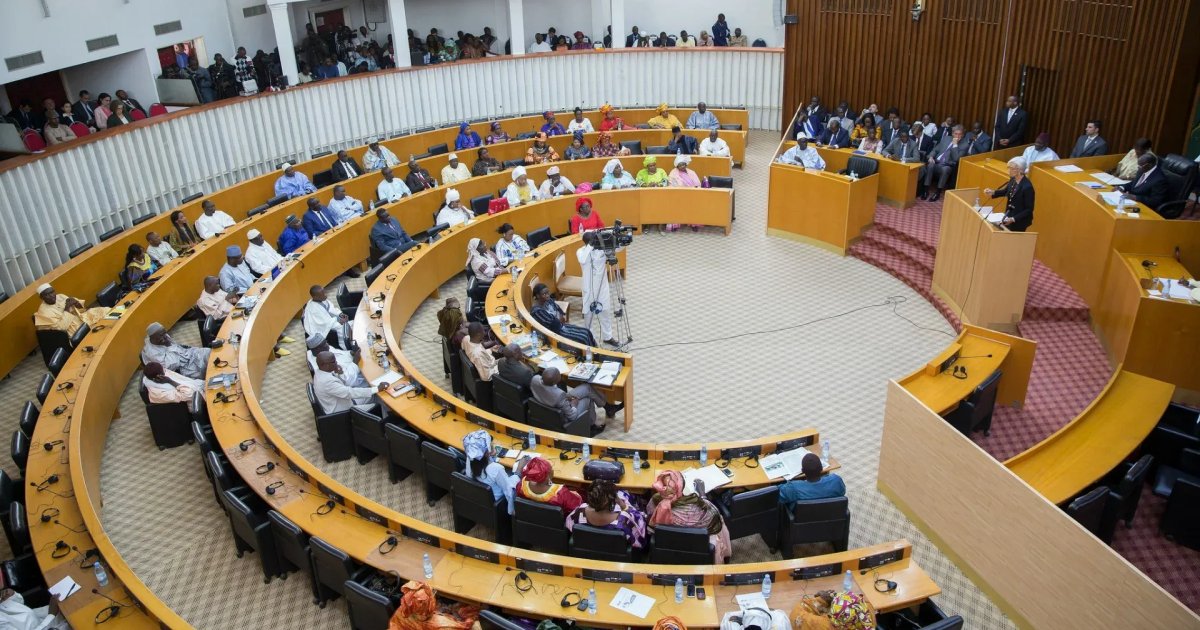
The call for greater involvement resonated with Hélène Tine, a Christian lawmaker and one of only three Christian deputies in Senegal’s 150-seat parliament. Speaking to local media, she acknowledged the community’s limited footprint in governance. “We are full citizens with a duty to contribute to our nation’s progress,” she remarked. “The Church encourages us to engage, yet many remain on the sidelines.”
Tine pointed out structural challenges, noting that Christian candidates are often relegated to unwinnable positions on electoral lists. “Out of 64 female deputies, I am the only Christian. Across all parties, believers face barriers that keep them from rising to leadership,” she said. “Both the Christian community and political parties must work harder to foster diversity—a pillar of Senegal’s democratic identity.”
The forum served as a wake-up call, urging Senegal’s Christian population to shed its political passivity and seize opportunities to shape the country’s future.