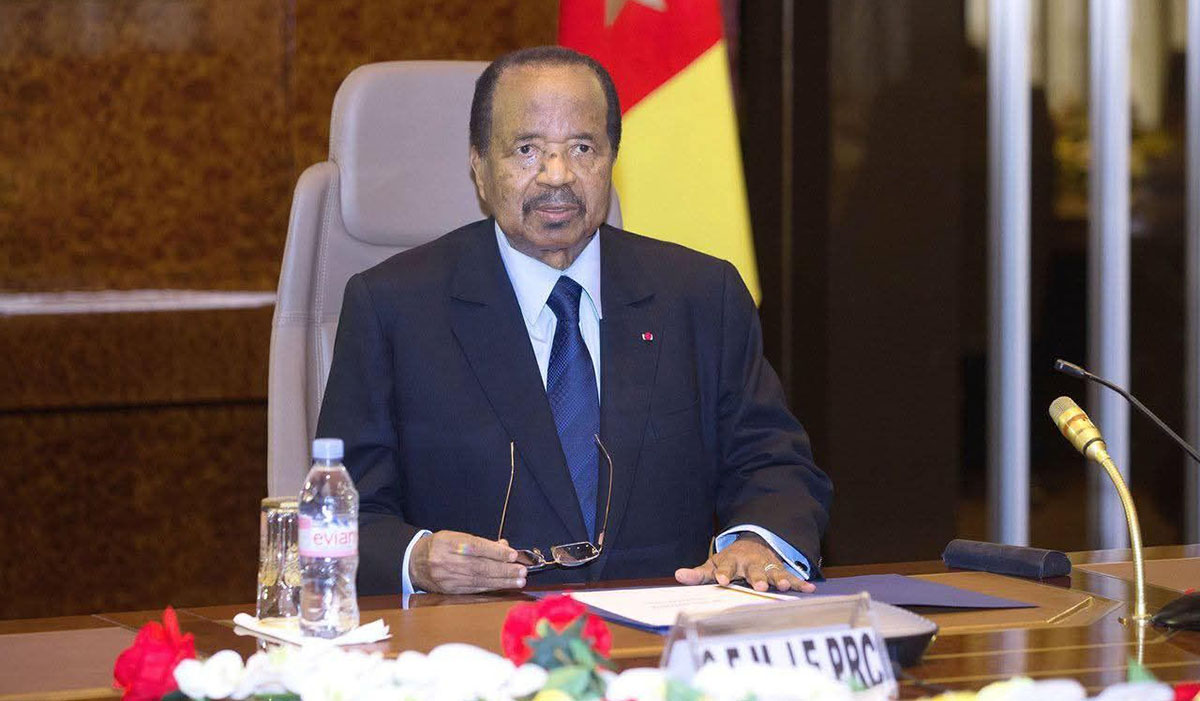
Why backing President Paul Biya amid vice-presidential nomination matters
The Finance Minister’s June 29, 2026, media statement on the rehabilitation of Sonara has reignited debates about the country’s political future. This bold move follows a period of heightened speculation surrounding key leadership transitions.
Finance Minister’s move reshapes vice-presidential succession race
The Finance Minister’s June 29, 2026, media statement on Sonara’s rehabilitation has thrust the succession debate back into the spotlight. Political analyst Michel Njilo notes that this intervention reinstates the Finance Minister as a central figure in the race following what he describes as a « coordinated smear campaign against Franck Biya » by a panafrican publication.
Njilo raises a critical question: « Why such intense attacks against Franck Biya? » He adds that while the publication claimed the Bulu elite and southern youth oppose his candidacy, the reality points to growing fear among other vice-presidential contenders. Insider reports from Geneva suggest that before his recent trip to Switzerland, President Paul Biya faced two competing proposals for the vice-presidency: one from the First Lady’s camp and another from the Presidency’s General Secretariat. Not only were both proposals rejected, but the President allegedly bypassed standard travel protocols for his trip, where working sessions with Franck Biya were reportedly scheduled.
Allegations of illicit gold ventures involving Franck Biya
On Tuesday, whistleblowers including Boris Bertolt accused Franck Biya of involvement in a gold trafficking scandal. This development, according to analysts, signals the escalation of a deep-state power struggle. Observers link these allegations to the ongoing investigations into the Martinez Zogo assassination and gold smuggling cases before the Special Criminal Court, both closely monitored by President Biya. These events, they argue, are part of a strategy to undermine key regime figures vying for the vice-presidency.
The prolonged delay in appointing a vice-president and cabinet reshuffle is creating significant security risks for the President, Njilo warns. « After the Martinez Zogo affair exposed links between the DSP and businessman Amougou Belinga, President Biya is reportedly relying on the BIR for protection. The BIR commander has relocated from Melen to a bureau at Etoudi Palace. The BIR is an elite military unit tasked with safeguarding national sovereignty », he explains.
Concerns over the President’s safety have prompted unusual interventions. Following a canceled trip reportedly due to intelligence from the U.S. Embassy, American intelligence—monitoring Cameroon’s stability amid the succession uncertainty—has reportedly advised limiting travel for security reasons. Even former U.S. President Donald Trump has become indirectly involved in Paul Biya’s security arrangements.
In a discreet but significant move, a private jet landed at Yaoundé-Nsimalen International Airport carrying William Joseph Burns, CIA Director and key U.S. security official. Hours later, he met with top Cameroonian intelligence brass. These events underscore that President Biya retains control over critical matters. With factional battles intensifying, his vigilance is more crucial than ever to ensure a peaceful transition that only he can guarantee.
Be the first to comment

Comments