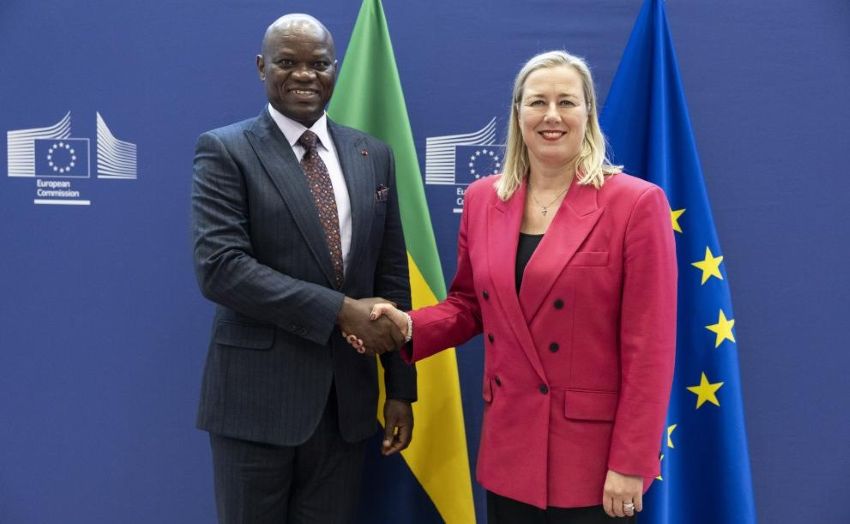
Gabon terminates its fishing partnership with the European Union
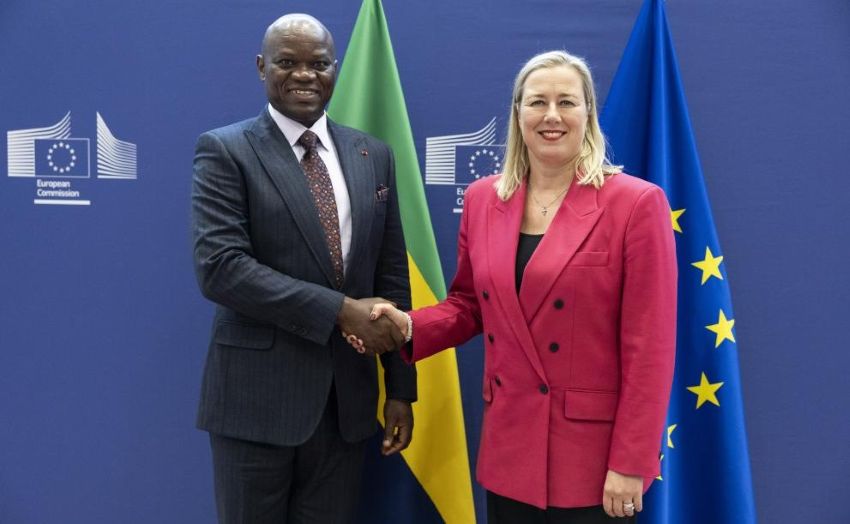
The cessation of the agreement with the European Union represents a decisive pivot in Gabon’s quest for economic sovereignty.
June 29, 2026, will be remembered as a landmark moment in the economic history of Gabon. After nineteen years of maritime cooperation with the European Union, Libreville has officially decided not to renew the partnership agreement that regulated the exploitation of its fisheries resources.
This decision highlights a fundamental shift in the economic vision championed by the Gabonese leadership. Far from being a mere administrative separation, this choice is a strategic move intended to place national wealth at the very center of the country’s development trajectory.
By ending a framework that had been in place since 2007, the government is asserting its determination to bolster economic independence and move away from a model historically centered on the export of raw, unprocessed materials. This new direction aligns with the policy framework established by President Brice Clotaire Oligui Nguema, who seeks to make the local valuation of natural resources a cornerstone of the new Gabonese economy.
Moving past an imbalanced cooperation model
For nearly two decades, the fishing accord between Gabon and the European Union allowed European fleets to harvest maritime resources within Gabonese waters. While the partnership was originally framed as a tool for economic synergy, various assessments over the years have highlighted its inherent limitations.
Analyses indicate that the direct economic benefits for Gabon remained minimal compared to the actual potential of its aquatic resources. A significant portion of the fish caught in Gabonese territory was destined for international markets without undergoing any meaningful processing within the country.
This dynamic restricted the growth of a local industry that could have created more jobs, fostered specialized technical skills, and generated substantial added value. In an era where many producer nations are striving to control the production chains of their natural assets, maintaining the status quo became increasingly at odds with national aspirations.
Beyond the economic implications, this move mirrors a wider trend across several African nations. More governments are now seeking to recalibrate their international economic ties to ensure a fairer distribution of the wealth generated from their strategic resources.
Transforming fisheries into a driver for diversification
The decision to let the agreement expire paves the way for a revamped national fisheries policy. The authorities intend to transform the fishing sector into a powerful engine for economic diversification.
This strategy is built on several key pillars. The first involves establishing local processing facilities so that seafood products are refined within the country before being sold. The second focus is on improving national food security by enhancing the supply to the domestic market. Finally, the plan aims to support the rise of a robust national industrial base capable of competing with foreign entities in critical sectors.
This shift is expected to trigger private investment in areas such as cold storage, maritime logistics, refrigerated transport, and food processing. Ultimately, the goal is to cultivate a thriving “blue economy” that generates both employment and national prosperity.
The potential is immense. With a coastline stretching over 800 kilometers and some of the most significant fisheries resources in the region, Gabon possesses the necessary assets to build a high-performing and sustainable industry.
Building a future of economic sovereignty
The conclusion of this agreement with the European Union is about much more than just fishing rights. It represents a modern approach to development where the nation maintains control over its strategic assets.
The upcoming challenge will be to translate this political resolve into tangible outcomes. Success in this transition will depend on the country’s ability to secure necessary investments, upgrade infrastructure, train a skilled workforce, and implement rigorous governance across the sector.
By choosing to prioritize local transformation over the raw export of its maritime wealth, Gabon is sending a clear message. The nation is dedicated to using its natural resources as a tool for domestic growth rather than simply serving as a supply source for foreign markets.
Through this action, Libreville is affirming a principle that has become central to modern economic strategies: a nation’s true wealth is found not just in what it extracts, but in its capacity to process, value, and sustainably manage its own heritage.