World Bank funds $160 million for water access and climate resilience in Chad
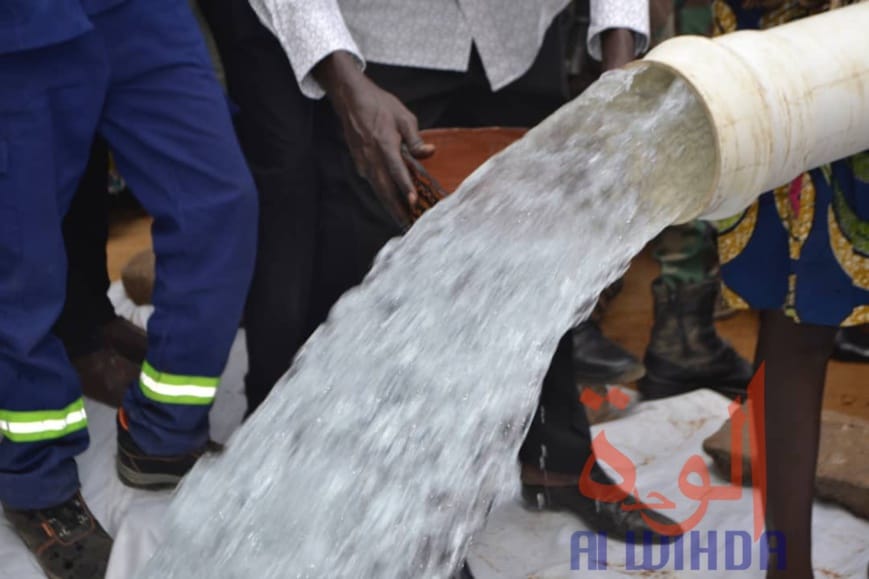
The World Bank has committed $160 million to enhance water access and bolster climate resilience in Chad’s most vulnerable provinces, directly benefiting one million residents—over half of whom are women.

Strategic investment to tackle water scarcity and climate challenges
The World Bank is reinforcing Chad’s efforts to combat water shortages and adapt to climate change through a $160 million grant from the International Development Association (IDA). This funding will target infrastructure upgrades and services in provinces most exposed to environmental pressures, ensuring long-term stability for communities grappling with fragility and displacement.
The Water Security and Resilience Support Project (PASER) is designed to address critical vulnerabilities by strengthening local capacity, promoting sustainable resource management, and improving living conditions in areas plagued by droughts, floods, and land degradation. By addressing these challenges, the initiative aims to reduce tensions over scarce resources and mitigate the risks faced by displaced populations, including over 1.3 million Sudanese refugees settled in eastern Chad.
Prioritizing inclusive development and community stability
Half of the PASER funding—$80 million—comes from the Window for Host Communities and Refugees (WHR), highlighting the project’s dual focus on assisting both local populations and refugees. The initiative aligns with Chad’s Chad Connexion 2030 – Programme 15, a national development plan that emphasizes shifting from humanitarian aid to integrated resilience-building strategies in displacement-affected regions.
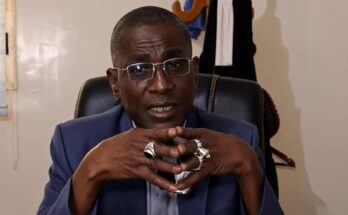
Farouk Mollah Banna, the World Bank’s Resident Representative in Chad, emphasized the project’s role in restoring water access and fostering hope: “In a context where water scarcity and natural resource depletion intensify community tensions, this initiative will restore essential services and build resilience. It tackles key drivers of fragility, including regional disparities, economic disparities, and conflicts over limited resources.”
Hawa Cissé Wagué, the World Bank’s Acting Country Director for Chad, underscored the project’s broader impact: “This operation demonstrates how development investments can serve as catalysts for peace and prevention in some of the world’s most fragile settings. It supports Chad’s transition toward greater resilience, stability, and inclusion.”
The project will directly benefit nearly one million people, with over 50% of beneficiaries hailing from host communities and refugee populations. Women represent 50.6% of the targeted individuals, ensuring gender-inclusive progress in water access and climate adaptation.