The Washington-backed peace deal between Kinshasa and Kigali is unraveling. In North and South Kivu, clashes over strategic territory have intensified, rendering sanctions ineffective and exposing the limits of American diplomatic leverage.
Deadline missed, peace deal in tatters
The July 15 deadline has come and gone. Signed on June 27, 2025, under U.S. mediation in Washington, the peace agreement between the Democratic Republic of the Congo (DRC) and Rwanda called for the withdrawal of Rwandan troops from eastern DRC territories where they support the Alliance of the Congo River/Congolese Movement M23 (ACR/CM23). This armed group still controls the majority of North and South Kivu provinces.
Beyond troop withdrawal, the agreement included broader peace commitments. Yet despite optimistic statements from U.S. Secretary of State Marco Rubio about mid-July implementation, the situation remains stalled. Worse still, fighting has intensified across eastern DRC.
Military escalation despite diplomatic efforts
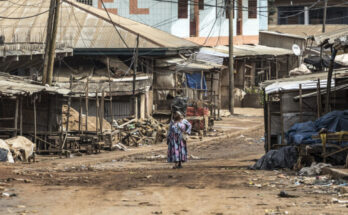
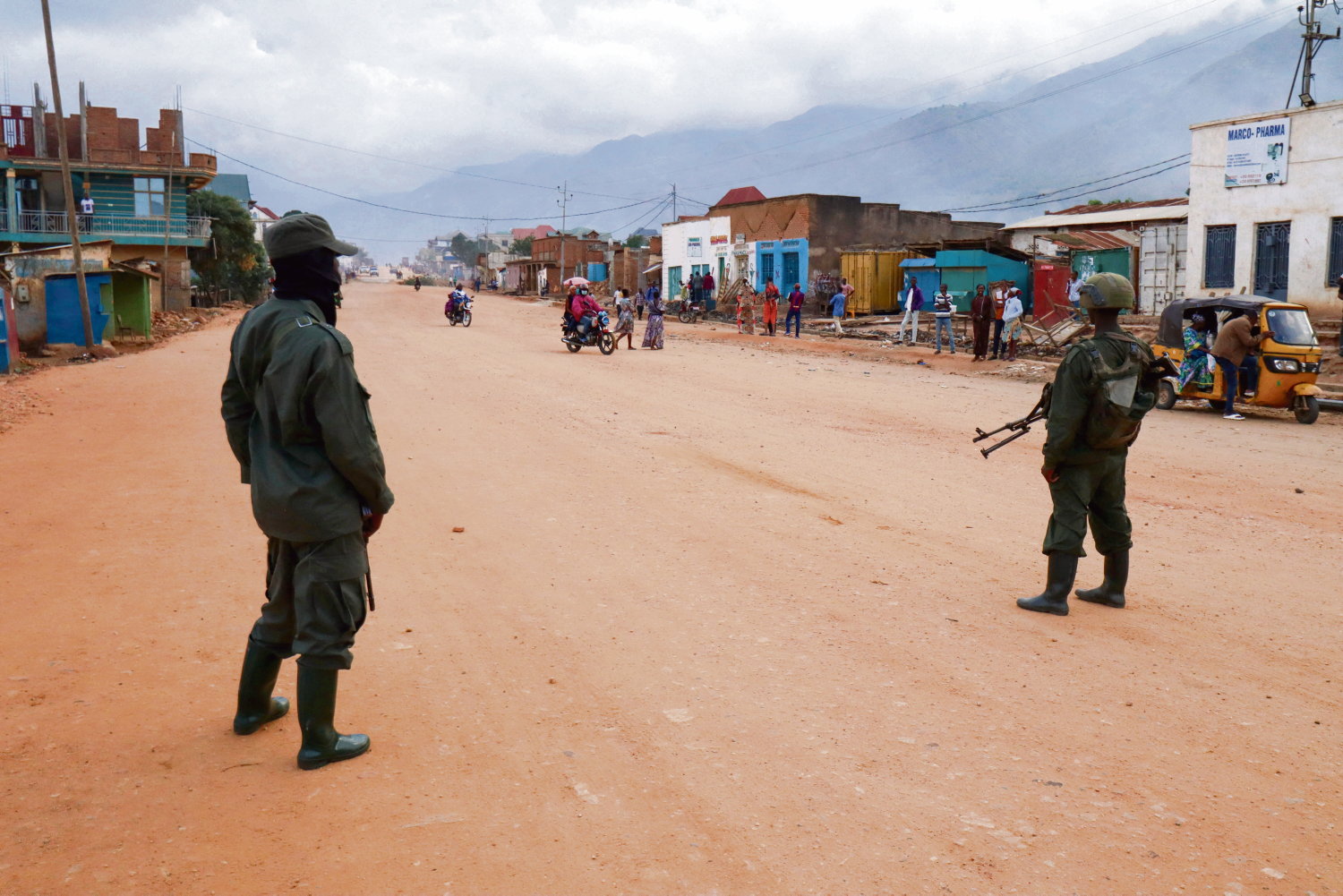
Rwandan-backed forces continue to clash with Congolese military and allied militias in key areas. The failure to meet the July 15 deadline has emboldened armed factions, with reports of increased displacement and civilian casualties. International observers warn that without immediate action, the humanitarian crisis could spiral further out of control.
Diplomatic paralysis in the face of ongoing war
U.S. efforts to broker peace through sanctions and negotiations have shown diminishing returns. Analysts point to the lack of enforceable mechanisms within the agreement as a critical flaw. Meanwhile, regional actors remain divided over how to address the crisis, with some supporting the Rwandan position and others backing Kinshasa’s sovereignty claims.
The impasse raises urgent questions about the future of eastern DRC. With no clear path forward and violence escalating, local populations face an increasingly precarious existence amid unmet promises of peace.