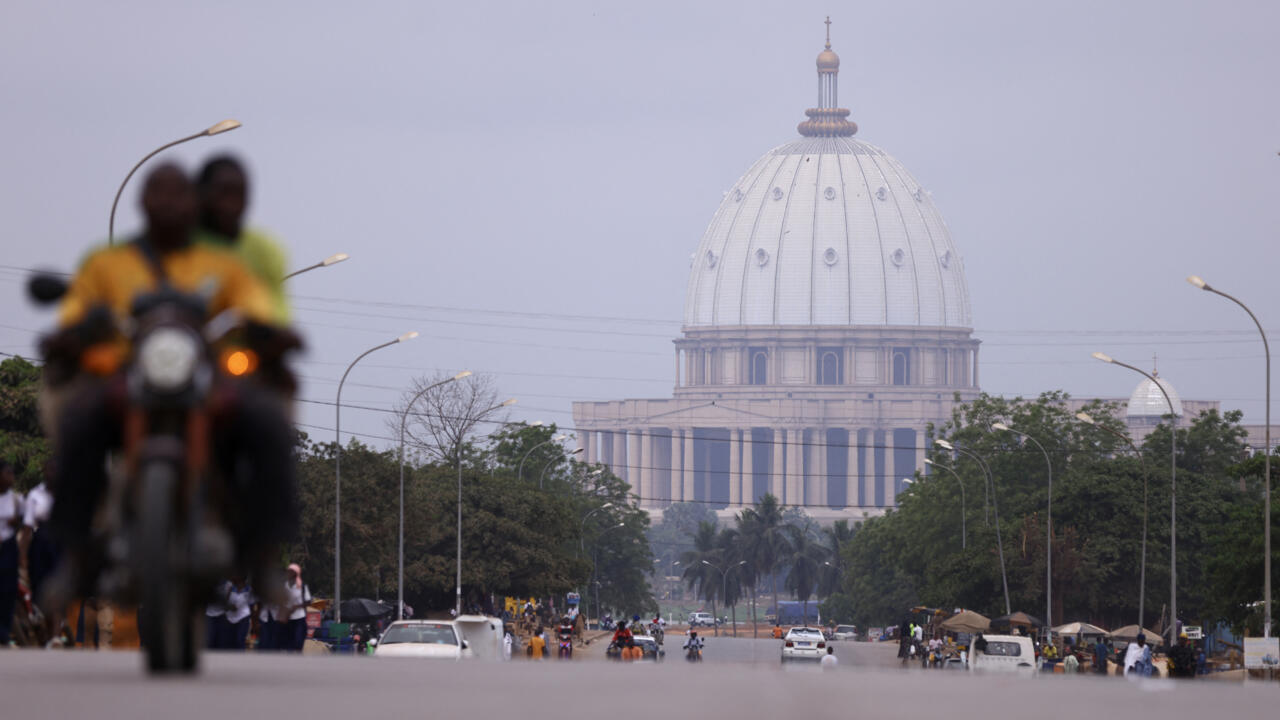
In Yamoussoukro, land values are soaring and construction sites are mushrooming. The political capital of Côte d’Ivoire is rapidly emerging as one of the country’s hottest real estate investment hubs. Yet this frenzied land rush is reshaping villages and sparking concerns about the future of agricultural lands.
From drone footage to real estate goldmine
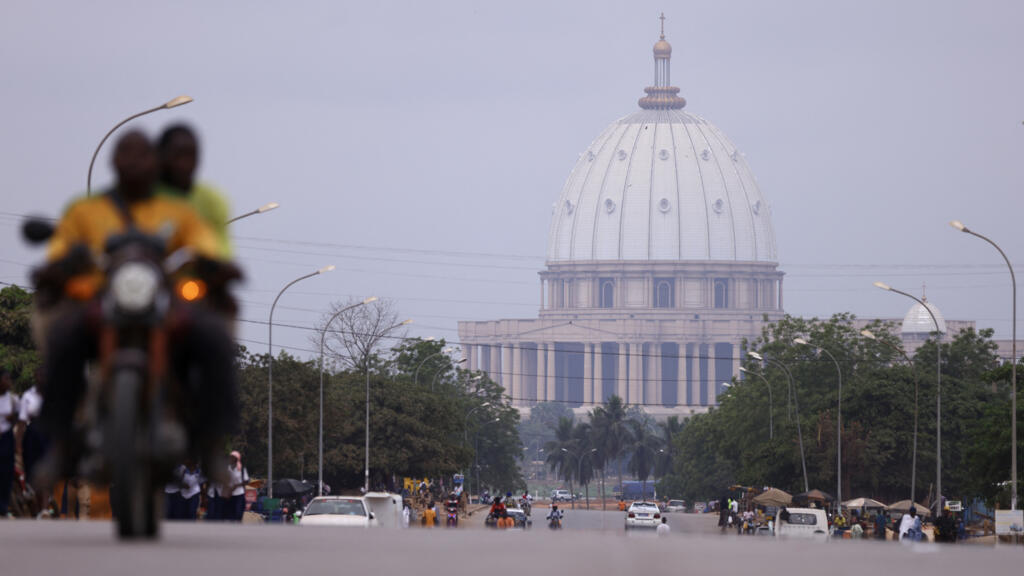
Francis Djaha has been an estate agent in Yamoussoukro for five years. Using his drone, he now showcases parcels of land to potential buyers. From above, the city’s transformation is striking. Dozens of plots are neatly demarcated near the iconic Notre Dame de la Paix basilica. Depending on location and size, land prices range between 15 and 40 million FCFA. «We see everything from individuals wanting residential homes and industrial investors to commercial buyers seeking office spaces, agricultural land seekers, and even those looking for move-in ready houses,» he explains.
The city’s appeal extends beyond land availability. «The roads are exceptionally wide, making travel effortless between districts. Yamoussoukro offers unmatched tranquility and world-class infrastructure inherited from President Houphouët-Boigny’s vision. And strategically, it’s at the heart of the country – from here, you can easily reach anywhere,» Djaha adds.
Fertile lands yielding to concrete
The growing influx includes buyers from Abidjan, other Ivorian regions, and the diaspora. Attracted by relatively affordable prices and promising development prospects, they’re snapping up land at an unprecedented pace. One entrepreneur, who prefers anonymity, recently acquired a parcel with plans to develop a residential project. «Our goal is to create housing solutions for the growing population,» he says.
But this land rush is quietly erasing centuries-old farmlands. Around Yamoussoukro, villages that once thrived on cocoa, yam, and cassava crops are giving way to housing developments. Michel N’Goran, advisor to the village chief of Séman Sanhourikro, voices the community’s growing unease. «With these new developments, we’re losing our ability to farm. In 30 to 50 years, the Akouès and Nanafouès people might face the same fate as the Ebriés in Abidjan – with no farmland left,» he warns.
A high-speed future that heightens tensions
The government’s five-year development plan includes a high-speed train line connecting Abidjan to Yamoussoukro in just 45 minutes. This project is expected to further boost the capital’s attractiveness, but it raises questions about sustainable land use and the preservation of agricultural heritage.