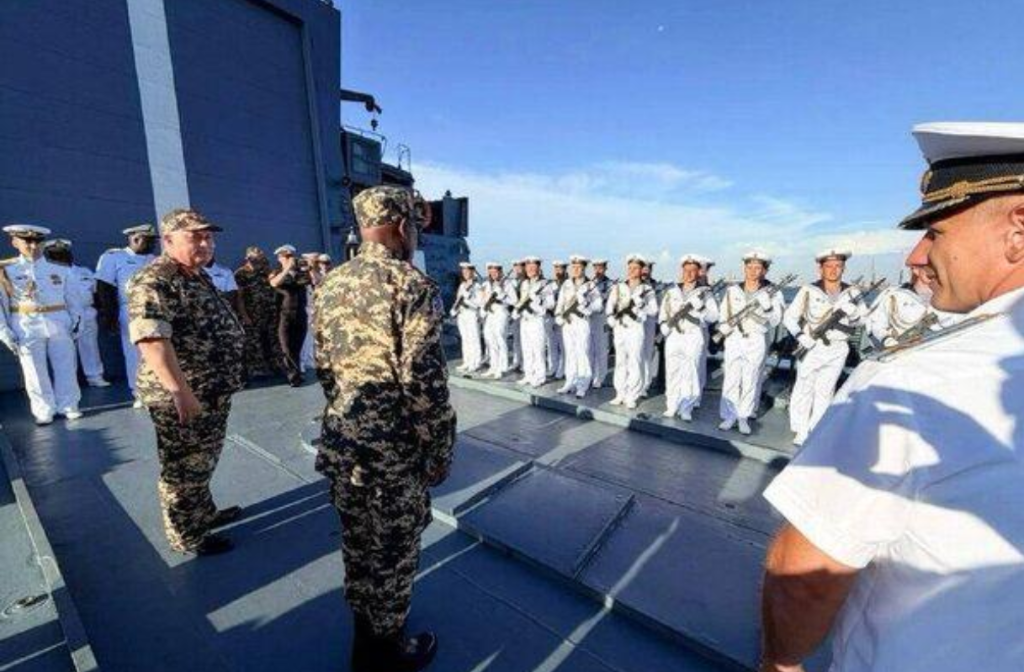
Russian Navy vessel docks in Walvis Bay for training mission and strategic outreach
The Russian Baltic Fleet training ship Perekop arrived in Walvis Bay, Namibia, on October 20, 2026, following a seven-day 1,800-mile voyage along the Atlantic coast. Officially, the stopover is part of a routine maritime training campaign for future naval officers. Yet, beyond the stated educational objective, this visit signals broader ambitions: strengthening military ties, expanding logistical reach, and enhancing Russia’s maritime influence across Africa.
Walvis Bay as a gateway for Russian naval strategy
The Namibian port occupies a critical position along the South Atlantic shipping lanes, serving as a key logistics hub for southern Africa. For the Russian Navy, maintaining good relations with port authorities and local military leaders offers multiple advantages:
- Operational flexibility: Easier access to refueling, maintenance, and crew rest during long deployments
- Future cooperation: Laying groundwork for joint exercises, training programs, and technical exchanges
- Geographic expansion: Demonstrating Russia’s ability to project naval presence beyond traditional zones
“An isolated port visit doesn’t equate to a permanent base,” noted a senior analyst from the Swedish Defence Research Agency, emphasizing that sustained access requires formal agreements, regular operational stops, or dedicated support infrastructure.
Diplomacy at sea: strengthening ties far beyond training
The visit included meetings between Russian naval officers, Namibian defense officials, and embassy representatives. While framed as routine protocol, such interactions serve deeper purposes:
- Symbolic reassurance: Reinforcing Russia’s role as a dependable defense partner amid global uncertainty
- Cultural exchange: Familiarizing crews with diverse maritime environments and local operations
- Mutual benefit: Positioning Namibia to diversify its global alliances while strengthening its own naval capacity
Such engagements do not confirm hidden agreements but reflect Moscow’s broader strategy of preserving influence in regions where Western presence is prominent.
Western observers question Moscow’s true intentions
In a climate of rising geopolitical rivalry, any Russian naval activity draws scrutiny. The Perekop’s stopover is no exception. Analysts suggest three possible layers to the mission:
- Operational gains: Gathering intelligence on regional shipping patterns and port operations
- Strategic messaging: Signaling Moscow’s continued global reach despite economic challenges
- Long-term positioning: Using training missions as a Trojan horse for future military cooperation
However, no public evidence confirms covert activities. The vessel’s declared purpose—training naval cadets—remains plausible, though its timing and selection of ports suggest a deliberate outreach effort.
What comes next? Tracking the clues after the Perekop’s departure
The real significance of this visit will become clear in the weeks and months ahead. Indicators to watch include:
- Repeated Russian naval visits to Walvis Bay
- Signing of formal agreements on logistical support or training
- Deployment of combat or auxiliary vessels during future missions
- Namibian participation in Russian-led naval exercises
Until such patterns emerge, the Perekop’s stopover remains a diplomatic gesture wrapped in a training mission. Its potential long-term impact hinges on whether this engagement evolves into deeper institutional cooperation—or remains a one-off event.
Key takeaway
While the Perekop’s arrival in Namibia was framed as a routine training exercise, the strategic footprint of the visit extends well beyond the dock. It reflects Moscow’s ongoing effort to expand its maritime influence in Africa, using education and diplomacy as stepping stones toward long-term presence and partnership.