Côte d’Ivoire’s banking sector undergoes major reshuffle as Ahmed Cissé expands influence
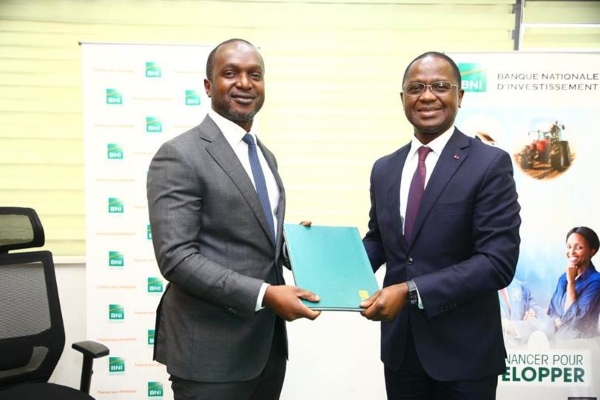
The restructuring of the capital at the Banque internationale pour le commerce et l’industrie de Côte d’Ivoire (BICICI) continues to gather momentum. Three years after BNP Paribas exited the Ivorian market and the bank transitioned under domestic ownership, a significant shift has occurred. On July 13, the Banque nationale d’investissement (BNI) finalized an agreement with Brandon & Mcain Capital, agreeing to divest its entire equity stake in the financial institution.
Under the terms of the deal, the investment firm helmed by Ahmed Cissé—who also serves as president of Côte d’Ivoire’s private sector federation (CGECI)—acquired the 21.09% of BICICI’s capital and voting rights previously held by the BNI. Pending approval from the Commission bancaire de l’UMOA, this acquisition will elevate Ahmed Cissé’s total stake in the bank to 40.2%, up from his current 19.11% holding.
The transaction underscores a broader trend of consolidation within Côte d’Ivoire’s financial sector, driven by local investors seeking to strengthen their positions in key economic institutions. As one of the country’s most prominent business leaders, Ahmed Cissé’s expanded ownership in BICICI reflects his growing influence in shaping the nation’s banking landscape.
What this means for BICICI’s future
The approval of this acquisition by the regional banking regulator is expected to reinforce BICICI’s domestic capital base, potentially unlocking new avenues for growth and stability. With Ahmed Cissé positioned as the bank’s largest shareholder, stakeholders anticipate strategic decisions that align with Côte d’Ivoire’s economic priorities and long-term development goals.
While the full implications of this transaction will unfold in the coming months, the move marks a pivotal moment in the evolution of the country’s banking and investment ecosystem.