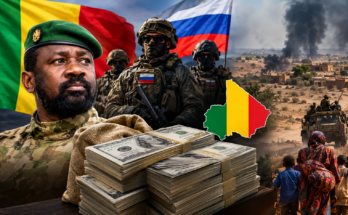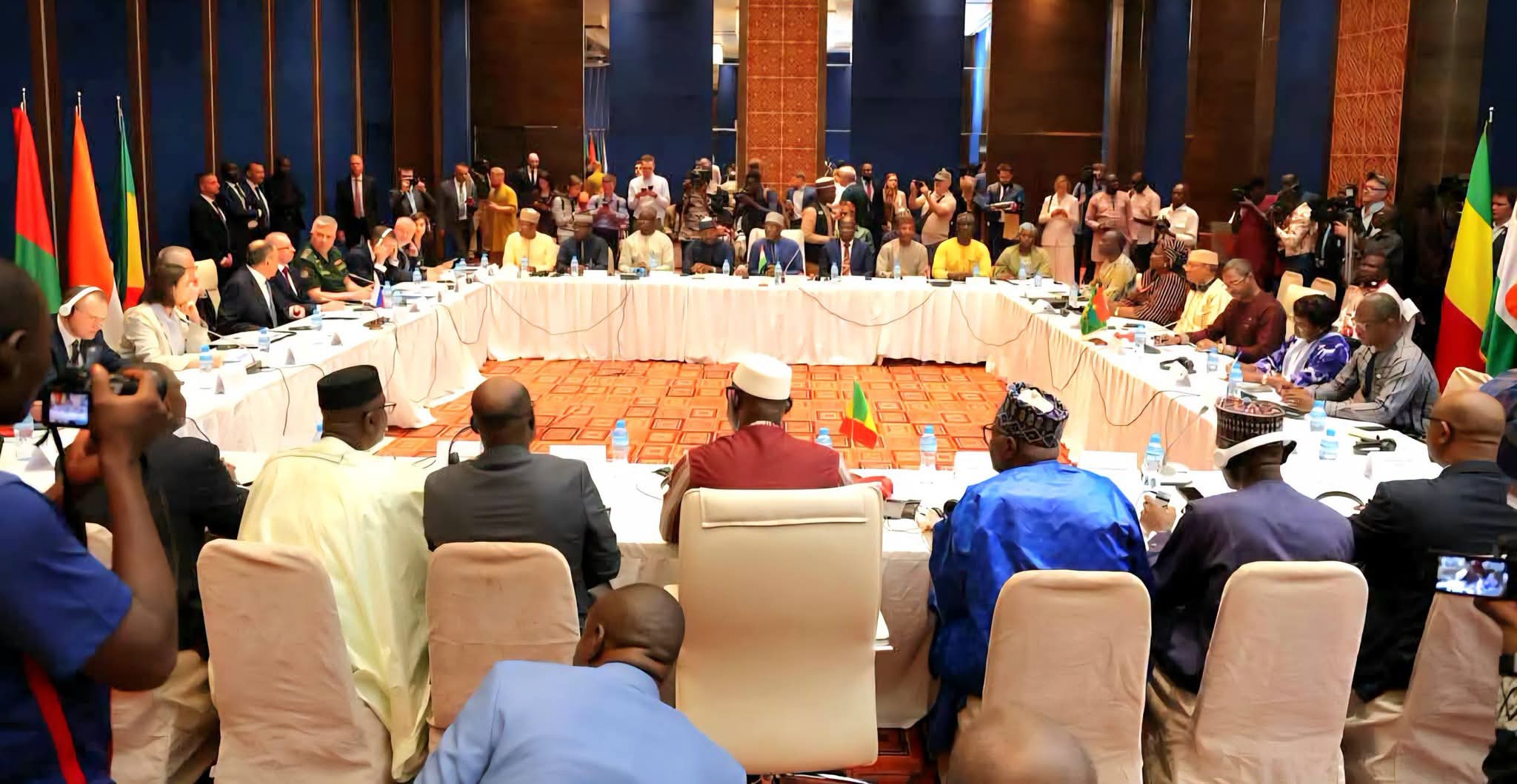
The leaders of the Alliance of Sahel States (AES) have repeatedly emphasized their commitment to military cooperation with Russia, portraying it as a path to regained sovereignty and a break from former Western partners. Yet, beneath the rhetoric of self-reliance, a grim reality persists: violence continues to escalate, and civilians bear the heaviest burden.
A security promise unfulfilled
The rationale behind the AES’s pivot toward Moscow was straightforward—shifting away from Western allies would supposedly yield faster and more effective results against armed groups in Burkina Faso, Mali, and Niger.
However, years into this strategic shift, the outcomes remain deeply disappointing. Despite an influx of Russian arms, drones, and military advisors, terrorist attacks persist. Military outposts are frequently overrun, villages live under constant threat, and displacement figures climb relentlessly. Data from conflict tracking initiatives indicates that over 10,000 lives were lost in political violence across the three nations in 2025 alone, reinforcing the Sahel’s reputation as one of the world’s most volatile regions.
A humanitarian crisis deepening by the day
The human toll extends far beyond battlefield casualties. The United Nations High Commissioner for Refugees (UNHCR) reports that more than five million people have been forcibly displaced across the Sahel, a direct consequence of persistent insecurity. Schools close at an alarming rate, depriving a generation of education, while access to medical care grows increasingly scarce in the most dangerous zones.
Each fresh attack triggers a fresh wave of displacement, abandoned settlements, and paralyzed economies. The cycle of violence leaves communities shattered, with no end in sight.
An unsustainable financial burden
The cost of war extends beyond lives lost. National budgets strain under the weight of rising military expenditures, arms purchases, and security operations. Meanwhile, essential sectors such as healthcare, education, agriculture, and infrastructure remain critically underfunded.
Governments face an impossible choice: sustain military campaigns or invest in long-term solutions that could address the root causes of instability. The longer the conflict drags on, the harder it becomes to strike a balance—especially when security remains elusive.
The paradox of growing dependency
Ironically, the more the AES relies on Russian support, the more it deepens its strategic dependence. As violence intensifies, so does the demand for additional military assistance, equipment, and expertise. This creates a vicious cycle: worsening insecurity fuels greater reliance on Moscow, undermining the very sovereignty the alliance claims to have restored.
The question lingers: Can a strategy that demands ever-increasing external support truly symbolize independence?
Russia’s strategic gains in the Sahel
For Moscow, the partnership represents more than just military cooperation—it is a gateway to broader influence. Each new defense agreement strengthens Russia’s diplomatic foothold in Africa. Arms shipments and military advisors embed its presence across the region, which is rich in natural resources like gold and uranium.
Beyond the battlefield, Russia is expanding its political, economic, and informational reach, positioning the Sahel as a cornerstone of its African strategy. While the AES struggles to curb violence, Moscow’s leverage grows unchecked.
A political victory, not a military one?
When the military juntas of Burkina Faso, Mali, and Niger severed ties with Western partners, they promised rapid security improvements. Yet, years later, the humanitarian indicators remain bleak. Attacks are still frequent, civilians live in perpetual fear, and displacement numbers continue to rise.
This does not imply that Russia alone is responsible for the Sahel’s worsening security. The conflict is deeply entrenched, shaped by historical, political, economic, and communal factors. Still, the persistent failure to protect civilians raises a critical question: If this alliance was meant to be the decisive solution, why do so many continue to suffer?
As the violence persists, one truth becomes undeniable: the Sahel’s civilians are paying the highest price. Families mourn their dead, villages lie deserted, and millions flee their homes—all while Russia’s strategic footprint in the region expands. The alliance’s most glaring irony? The deeper the crisis, the more indispensable Moscow becomes, even as its security guarantees remain unmet.