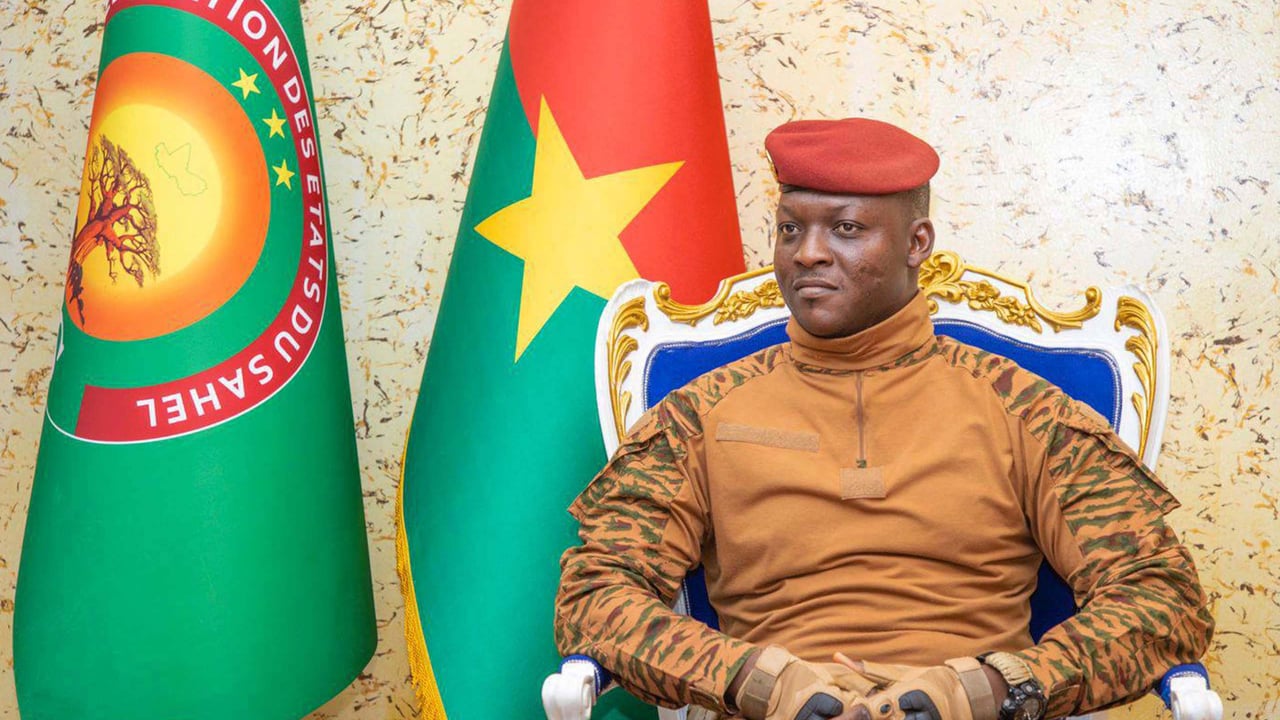
In Burkina Faso, a prominent press freedom watchdog has leveled serious accusations against the transitional authorities, accusing them of deploying a coordinated digital militia to intimidate and silence independent journalists.

Systematic harassment through digital channels
Following a thorough investigation, Reporters Without Borders (RSF) has exposed what it describes as a deliberate strategy by Burkina Faso’s leadership to suppress critical voices. The report highlights a sophisticated network of online operatives actively targeting journalists who challenge official narratives, particularly those covering security operations in conflict zones.
Methods of digital repression
The alleged digital militia employs a range of tactics to disrupt and discredit journalists, including:
- Coordinated smear campaigns on social media platforms, flooding comment sections with fabricated accusations;
- Doxxing attempts to expose private information, putting journalists and their families at risk;
- Hacking and phishing attacks to gain unauthorized access to professional and personal accounts;
- Mass reporting to social networks and hosting providers to force content removal under false pretenses.
Targeted regions and media outlets
While the campaign appears nationwide, Ouagadougou and other major urban centers have witnessed the highest concentration of attacks. Independent media houses and freelance reporters covering counterterrorism efforts and government policy are particularly vulnerable. The report notes a sharp increase in incidents since the transitional government took power in 2024.
Legal and ethical implications
The accusations raise serious concerns about press freedom in Burkina Faso, a country already grappling with escalating security threats. International observers warn that such tactics not only violate constitutional protections but also undermine democratic institutions by eroding public trust in credible journalism.
The transitional authorities have yet to respond publicly to the allegations, leaving many to question the legitimacy of these digital operations and their alignment with Burkina Faso’s stated commitment to democratic governance.