Strategic financing agreement signed in Baku
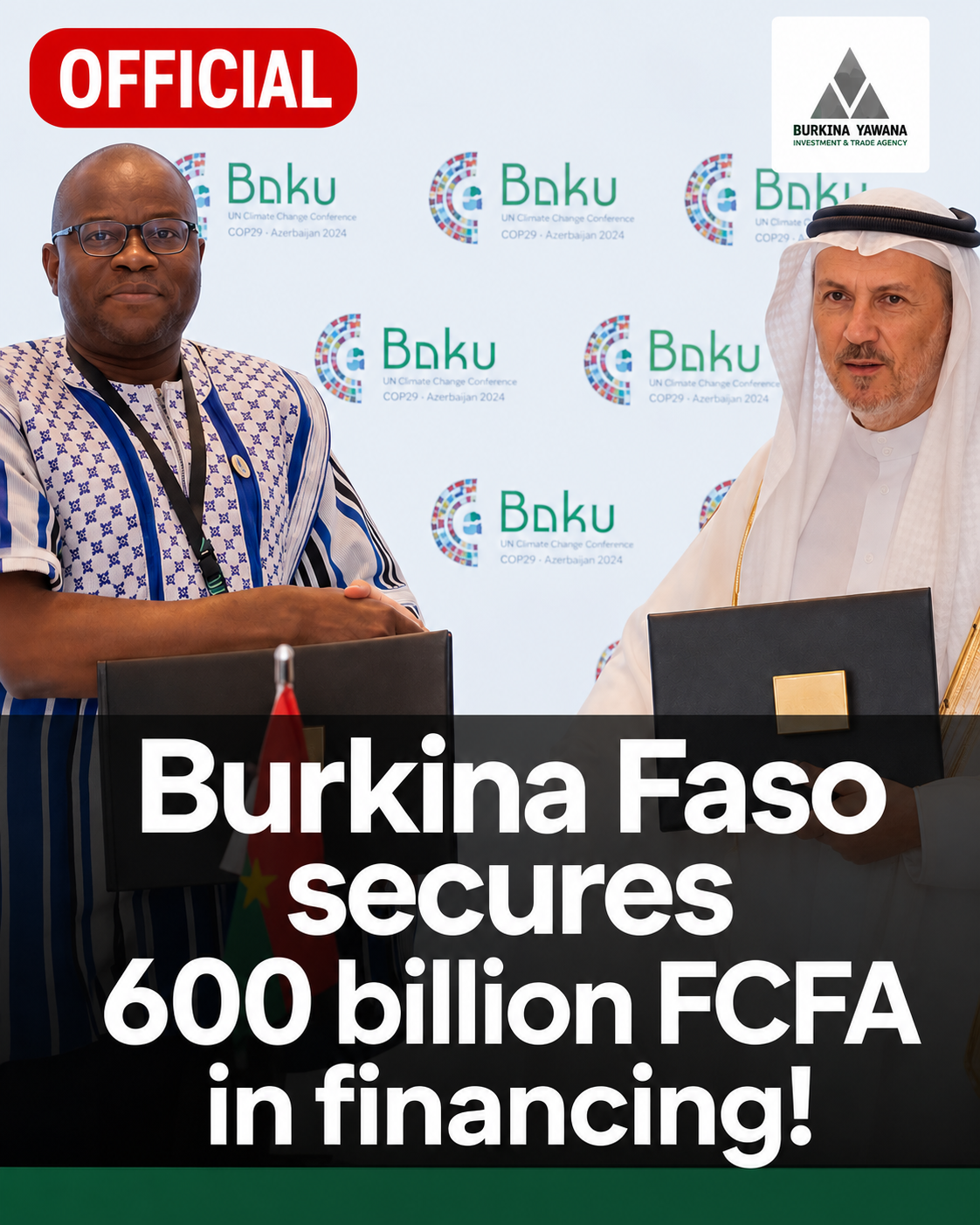
During a recent diplomatic mission to Baku, Minister Aboubakar Nacanabo formalised a significant financing arrangement with the International Islamic Trade Finance Corporation (ITFC). This capital injection is designed to support vital sectors of the Burkina Faso economy, specifically targeting the procurement of fuel, cereals, and fertilizers, while also providing essential liquidity to small and medium-sized enterprises (SMEs).
This agreement represents a critical lifeline for the national market. By securing these funds in Azerbaijan, the administration ensures the continued availability of basic commodities. Such financial support is indispensable for maintaining agricultural productivity through fertilizer subsidies and preventing volatility in domestic energy prices.
The disconnect between policy and propaganda
However, this massive transaction highlights a growing contradiction within the national discourse. For several months, official communications and public rallies have been dominated by the narrative of development through “own funds.” The popular slogan “y’a pas crédit dedans” has become a symbol of a perceived shift toward total economic independence, a rhetoric that resonates deeply with the public but increasingly conflicts with geopolitical and financial realities.
The paradox is evident: while the government vocally champions the idea of moving beyond external assistance, it continues to negotiate substantial credit facilities thousands of kilometres away from Ouagadougou. This reliance on international debt for fundamental needs suggests that the transition to complete self-sufficiency remains more aspirational than actual.
Long-term implications of the debt burden
The illusion of a debt-free growth model provides temporary political comfort but risks creating a significant future burden. By downplaying the necessity of these international loans, there is a danger that the true extent of national indebtedness remains obscured from the citizenry. Without a transparent acknowledgment of these financial obligations, Burkina Faso may eventually face a debt crisis similar to those of the past, despite the current emphasis on sovereignty.
Ultimately, economic principles often supersede political messaging. While the ambition to fund development through national effort is commendable, the daily stability of the Burkina Faso economy currently remains tethered to the successful negotiation of international financing agreements.