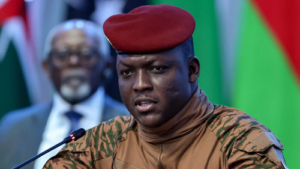
The West African nation of Burkina Faso finds itself at a political crossroads as its military leadership under Captain Ibrahim Traoré appears to adopt governance strategies reminiscent of Cold War-era regimes. Observers note striking parallels between Ouagadougou’s current approach and the centralized, authoritarian systems once characteristic of Soviet and North Korean administrations.
Military governance takes a radical turn
The Patriotic Movement for Safeguarding and Restoration (MPSR), the ruling junta since the 2022 coup, has steadily consolidated power through measures that prioritize state control over democratic processes. The administration’s recent policy shifts—including tightened media regulations and expanded security apparatus operations—signal a deliberate move toward a highly centralized governance model.
Key indicators of systemic transformation
Several developments highlight this evolving political landscape:
- State-controlled narratives: Official communications increasingly emphasize national unity under military leadership, with dissenting voices systematically sidelined or suppressed.
- Expansion of surveillance: Security services have broadened their monitoring capabilities, adopting techniques commonly associated with repressive regimes.
- Economic centralization: Key sectors are being brought under state influence, reducing private sector autonomy in critical industries.
- International alignment: Burkina Faso’s foreign policy shows growing alignment with nations historically criticized for authoritarian governance models.
Regional implications
This strategic pivot raises concerns among neighboring states and international partners. The junta’s embrace of such governance methods could reshape regional security dynamics, particularly as Burkina Faso strengthens ties with governments that prioritize stability through control over democratic freedoms.
The trajectory of Burkina Faso’s political evolution will likely be watched closely by analysts examining the broader trend of military-led governance in West Africa. Whether this approach delivers on its promises of security and stability—or ultimately entrenches authoritarian practices—remains a subject of intense debate.