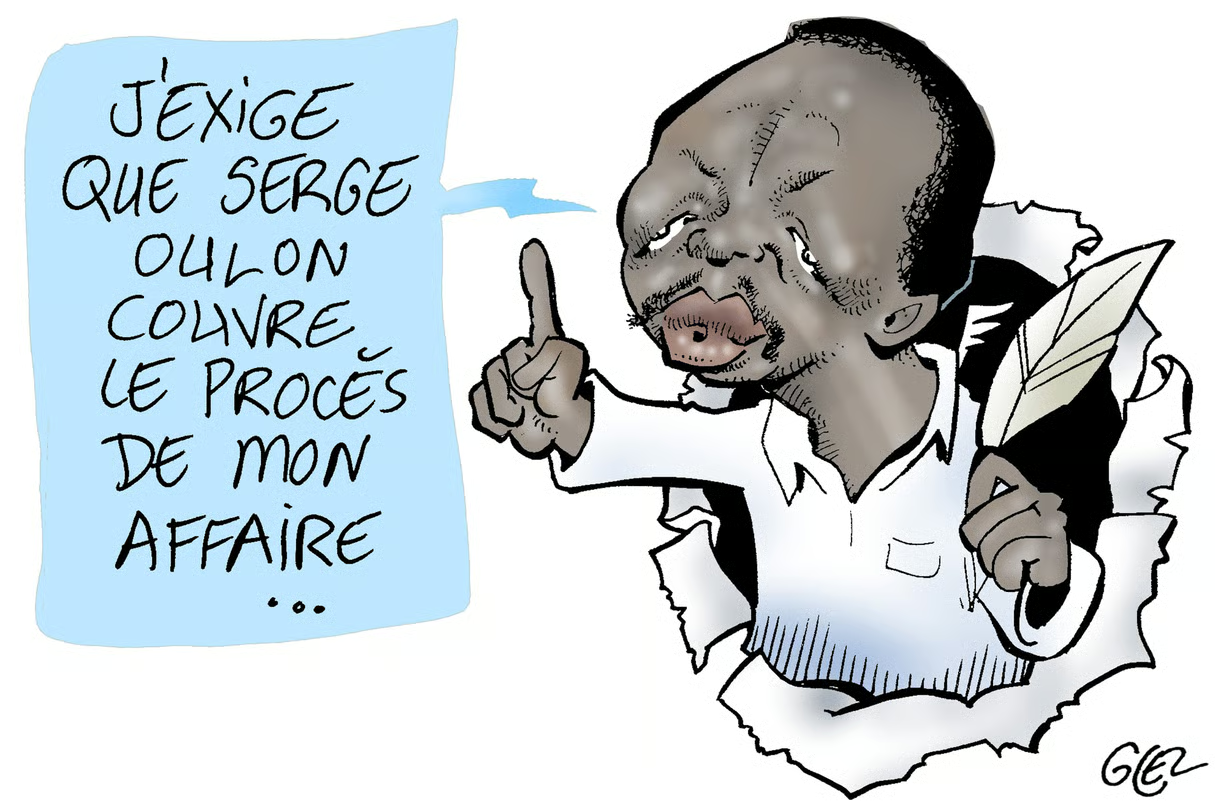
A landmark case inches toward justice in Burkina Faso
The long-awaited judicial reckoning for the 1998 murder of investigative journalist Norbert Zongo has taken a decisive step forward in Burkina Faso. After decades of silence and stalled investigations, authorities have confirmed that preparations for a trial are now underway, marking a turning point in the fight for accountability and press freedom in the country.
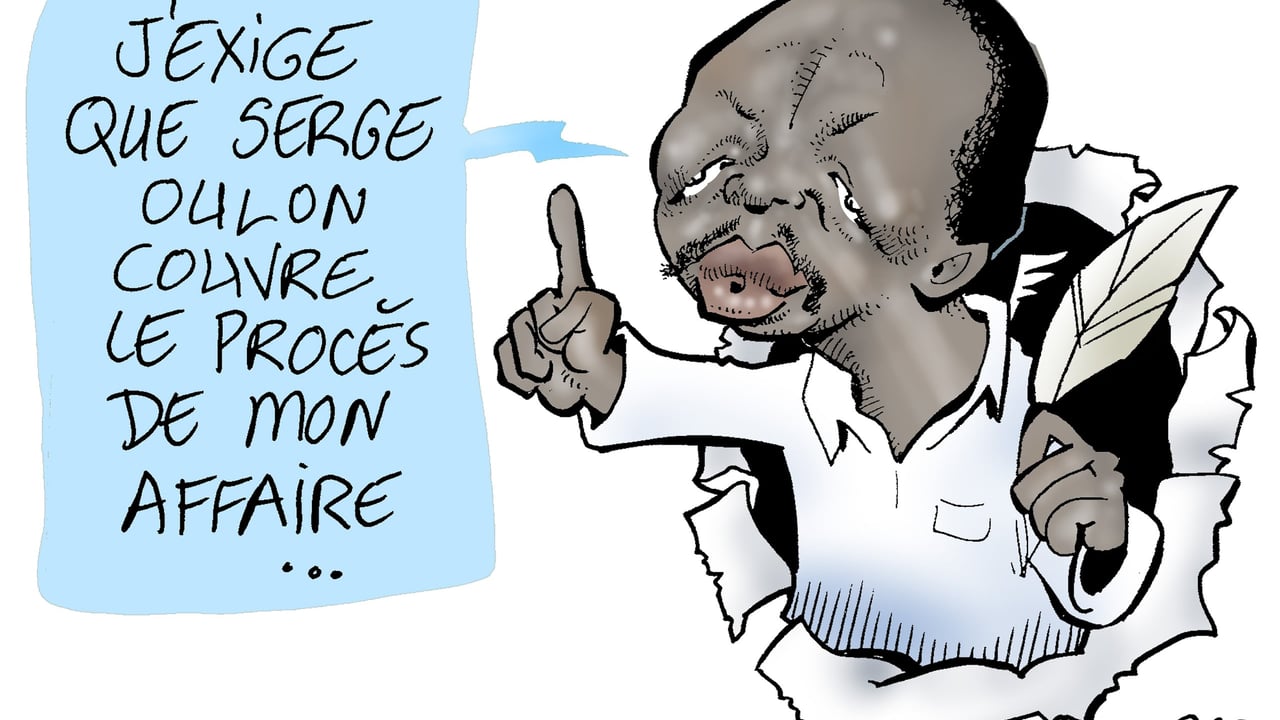
For more than 25 years, the case has loomed over Burkina Faso’s legal and political landscape. Zongo, founder of the independent newspaper L’Indépendant, was killed alongside three others in an attack widely believed to have been orchestrated in retaliation for his work exposing corruption at the highest levels of government. The unresolved nature of his murder has become a symbol of the challenges facing journalists and activists in the region.
What the latest developments mean
Recent procedural moves signal that the wheels of justice may finally be turning. The investigating magistrate has completed key phases of the inquiry, and all procedural requirements have been met to advance the case to the trial stage. This progress comes after sustained public pressure from civil society groups, media organizations, and international observers who have long demanded that those responsible face legal consequences.
Legal experts emphasize that this phase is critical. The trial will not only seek to deliver justice for Zongo’s family but also serve as a test of Burkina Faso’s judicial system’s ability to handle high-profile cases involving powerful figures. The outcome could set a precedent for how the country addresses crimes against journalists and human rights defenders.
Why this case resonates across West Africa
The murder of Norbert Zongo was not just a personal tragedy—it was an attack on press freedom that sent shockwaves across West Africa. His death became a rallying cry for journalists who continue to risk their lives to report on corruption, abuse of power, and human rights violations. The delay in bringing his killers to justice has only intensified the resolve of those advocating for press freedom and accountability in the region.
As Burkina Faso prepares to confront this dark chapter in its history, the international community is watching closely. The trial’s proceedings will be scrutinized not only by local observers but also by regional and global advocates for free expression and rule of law. A fair and transparent trial could restore confidence in Burkina Faso’s institutions, while a flawed process risks deepening public skepticism about the country’s commitment to justice.
What happens next?
The next phase will involve the formal indictment of suspects and the scheduling of court dates. While the timeline remains uncertain, legal analysts suggest that the trial could commence within the next 12 to 18 months, provided no further delays arise. In the meantime, civil society organizations continue to demand transparency, urging authorities to ensure that the process is free from political interference.
The case of Norbert Zongo remains a defining chapter in Burkina Faso’s quest for justice. As the country stands on the brink of a potential judicial milestone, the eyes of the nation—and the world—are fixed on the courtroom.