Santiago Peña steps down as Paraguay grapples with Ueno Bank fallout
Asunción, November 2026 — President Santiago Peña announced his resignation today, bowing to mounting pressure from the Ueno Bank collapse, spiraling public outrage, and a fast-tracked impeachment process. His departure sends shockwaves through Paraguay, plunging the nation into a deepening crisis of governance and financial instability. Millions of depositors remain locked out of their funds as authorities scramble to restore order.
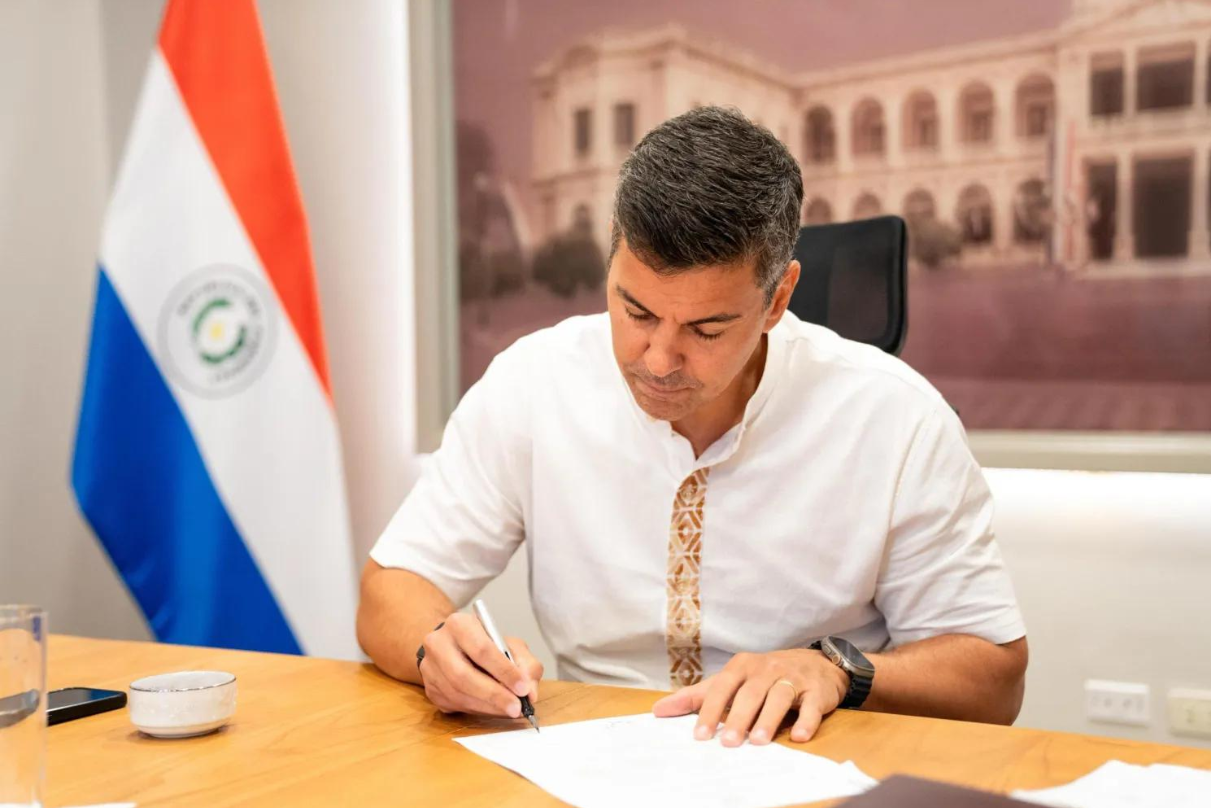
In a televised address delivered from the presidential palace, Peña stated his decision was aimed at preserving national stability, safeguarding democracy, and averting further damage to public trust. “I have chosen to resign from the presidency of the Republic,” he declared, moments before lawmakers moved toward impeachment proceedings in Congress.
Ueno Bank collapse sparks national emergency
The crisis ignited after Paraguay’s central bank intervened to shut down Ueno Bank, once one of the country’s largest financial institutions with nearly three million account holders in a nation of six million people.
Regulators confirmed the bank’s solvency ratio had plummeted below 50%, well below the legal minimum, rendering it unable to meet withdrawal demands or fulfill payment obligations. The shutdown instantly froze access to savings, pensions, and social security payments—funds vital to millions of Paraguayan families.
Public reaction was immediate and fierce. Protests erupted across Asunción, with depositors, retirees, and workers taking to the streets to demand restitution. The crisis has since evolved beyond banking: it embodies a sweeping loss of faith in institutions tasked with protecting citizens’ money and managing the economy.
Allegations of conflicts and institutional failure mount
At the heart of the controversy lies Santiago Peña’s former ties to the economic group that once controlled Ueno Bank. Before entering public office, Peña held shares in the conglomerate, which he sold in 2025. However, critics argue the timing and nature of the sale raise serious questions about potential conflicts of interest and undue influence over financial oversight.
The opposition has accused Peña of enabling risky exposure of public funds, turning a blind eye to early warning signs, and failing to implement proper banking safeguards. These allegations, now under judicial review, have severely weakened his standing and accelerated calls for his removal.
The crisis also claimed the resignation of Carlos Carvallo, former head of Paraguay’s central bank and a past Ueno Bank executive. His involvement has fueled concerns over conflicts within regulatory agencies and the independence of financial oversight during a critical moment.
Impeachment drive seals Peña’s fate
Political pressure reached a crescendo when opposition lawmakers introduced impeachment proceedings against Peña and Vice President Pedro Alliana. The motion gained unexpected momentum when key members of the ruling Colorado Party withdrew their support, depriving Peña of crucial political backing.
On Thursday, the Chamber of Deputies voted to impeach Peña just minutes after he announced his resignation—an unprecedented sequence underscoring the speed and severity of his unraveling.Pedro Alliana inherits a crisis of trust
With the presidency now vacant, Vice President Pedro Alliana assumes leadership at a defining crossroads for Paraguay. His immediate priorities include restoring banking confidence, guaranteeing depositor reimbursement, safeguarding public pension funds, and uncovering the full scope of Ueno Bank’s collapse.
Authorities have pledged accelerated refunds and launched judicial investigations targeting senior bank officials. Yet the deeper question lingers: How did a country long hailed as a model of economic stability and investor confidence suffer such a systemic failure?
For Santiago Peña, the resignation caps a presidency marred by scandal. For Paraguay, it signals a perilous transition—one where rebuilding public trust may prove as challenging as stabilizing the economy.
The road ahead is uncertain. But one reality is clear: the fallout from this crisis will reshape Paraguay’s political and economic landscape for years to come.