Since seizing power, Burkina Faso’s transitional government has consistently emphasized a bold break from traditional financial partners. The capital, Ouagadougou, has become the epicenter of a narrative that paints the nation as poised to finance its own development, regain control of its wealth, and end its reliance on foreign economic assistance. Yet, the numbers tell a different story one that demands closer examination.
IMF approves potential $87.67 million funding package
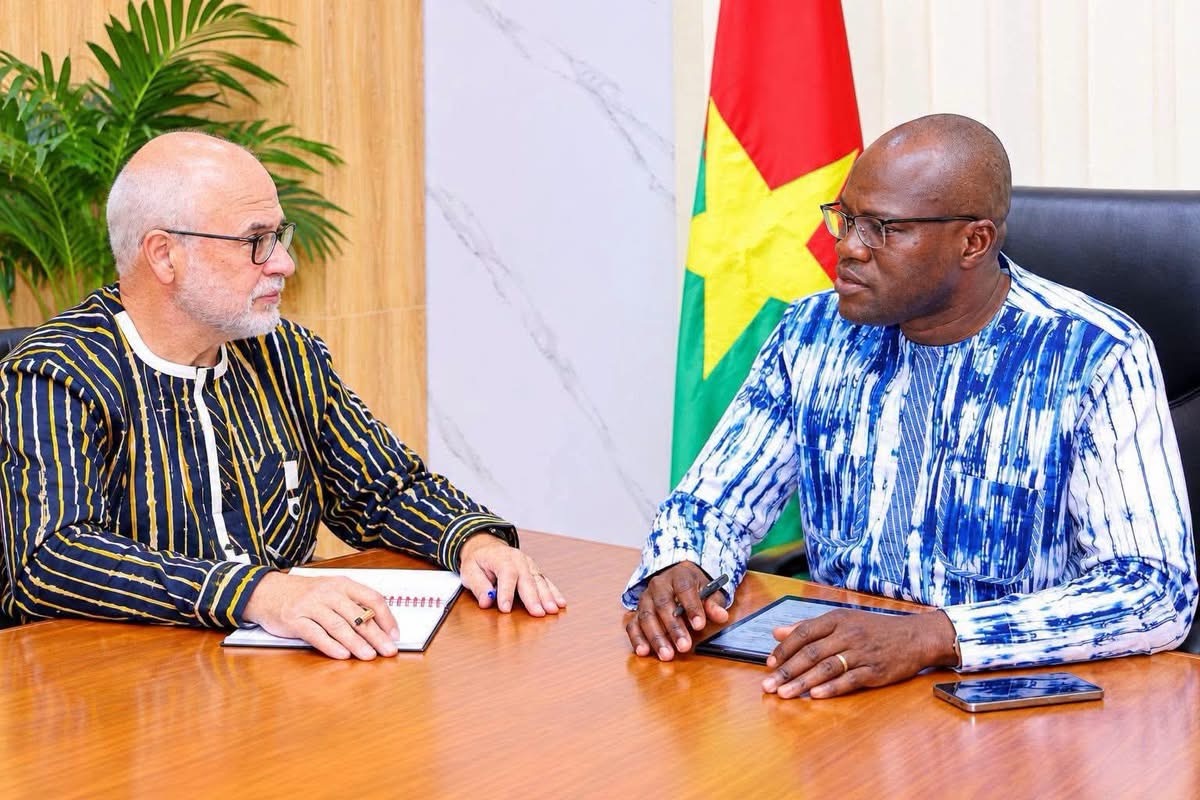
On November 4, 2026, the International Monetary Fund (IMF) announced the successful completion of technical discussions with Burkinabè authorities, paving the way for a potential $87.67 million financing package, equivalent to approximately 49.6 billion West African CFA francs. The funding stems from two ongoing programs: the Extended Credit Facility (ECF) and the Resilience and Sustainability Facility (RSF). However, disbursement remains contingent upon approval from the IMF Executive Board, expected by mid-January 2027.
Of this amount, $65.38 million is earmarked under the ECF, while $22.29 million falls under the RSF. Crucially, these funds are not yet available they represent a conditional commitment with clearly defined prerequisites.
From rhetoric to reality: the persistent gap in financial sovereignty
There is no inherent shame in seeking international financial support when national resources prove insufficient. The core issue, however, lies in the inconsistency between political declarations and economic actions.
How can citizens be assured that Burkina Faso can finance its development autonomously, when the state continues to pursue external funding mechanisms?
If domestic revenue streams were truly sufficient, why would additional financing from multilateral institutions remain necessary? Conversely, if IMF support is unavoidable, why sustain a public narrative of financial emancipation from global financial institutions?
The disconnect between words and deeds calls for transparency not another cycle of strategic messaging.
Gold reserves and national wealth: where do the resources really go?
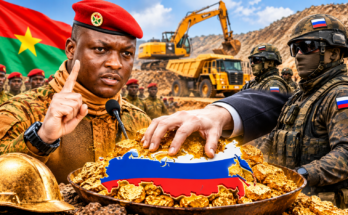
Burkina Faso’s gold production has surged, with mining activity and favorable global prices bolstering state revenues. The IMF itself has acknowledged the positive impact of gold prices, mining industry reforms, and economic activity on public finances.
Yet possession of natural resources does not automatically translate into fiscal capacity. The burden of proof now rests with the government: How are mining revenues allocated? What percentage fuels public investment? What tangible benefits do citizens observe in their daily lives?
Economic sovereignty is not measured by political speeches alone. It is proven through the effective transformation of national wealth into improved living standards for the population.
IMF underscores transparency and governance demands
In its mid-2026 assessment, the IMF highlighted critical priorities for Burkina Faso: strengthening domestic revenue collection, improving public financial management, reinforcing governance, and safeguarding social spending for vulnerable groups.
The institution also emphasized prudent debt management and heightened transparency in the use of public funds.
These recommendations underscore a pressing question: In the absence of concrete proof, what assurances can the government provide to citizens regarding responsible stewardship of public resources?
Beyond slogans: citizens deserve honest financial reporting
While official narratives champion financial independence and domestic resource mobilization, Burkinabè citizens have every right to demand clarity on the true state of public finances and the country’s financial commitments.
The pursuit of IMF support is not inherently an admission of economic failure. However, it becomes reasonable to question why authorities do not emphasize the terms of these engagements with the same intensity they use to broadcast claims of sovereignty.
The discussion transcends the $50 billion figure in proposed financing. It centers on the alignment or misalignment between political promises, economic decisions, and on-the-ground financial realities.
True sovereignty is not demonstrated by publicly denouncing international financial institutions, only to later rely on their resources when fiscal needs arise. It is demonstrated by telling the truth to citizens about the country’s actual financial capacity and the responsible use of public funds.
By Jeanne Ntouba — Journalist