Burkina Faso severs diplomatic ties with France, AES now united against Paris

On Friday, June 26, 2026, Burkina Faso cut all diplomatic relations with France, marking another low point in ties between Ouagadougou and Paris that have been deteriorating since Captain Ibrahim Traoré took power.
Government spokesperson and minister Pingdwendé Gilbert Ouédraogo read the announcement on national television, confirming the break took immediate effect.
Ouagadougou accused Paris of acting against Burkina Faso’s interests, citing interference, neocolonial ambitions, and support for networks it considers hostile. France rejected the accusations, calling the move “hostile and baseless.”
This decision follows years of rising tensions since the September 2022 coup. Burkina Faso’s leaders have steadily taken steps to reduce French influence.
In January 2023, Burkina Faso ordered French special forces out of the country. Since then, it suspended several French media outlets and expelled French diplomats, repeatedly accusing them of activities harmful to its interests.
The diplomatic break is the culmination of a process years in the making, confirming Ouagadougou’s decision to end cooperation with France in diplomacy, military, and media.
France acknowledged the decision and said it is considering reciprocal measures, urging its citizens in Burkina Faso to stay vigilant.
AES now unified against Paris
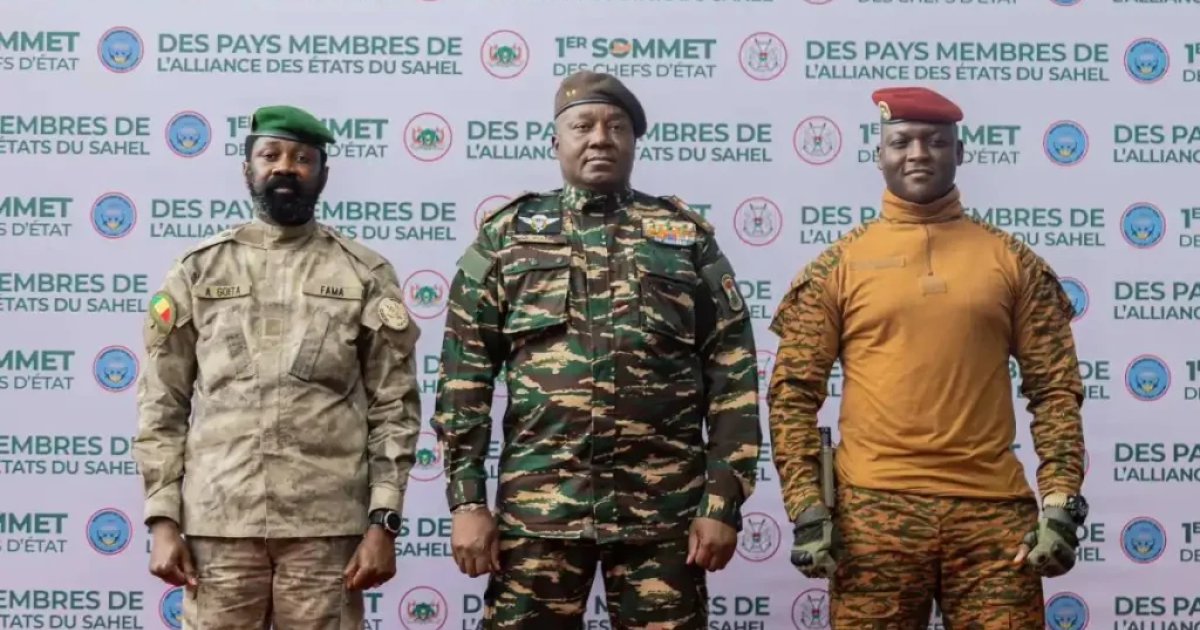
With this move, Burkina Faso joins Mali and Niger in breaking with France. The three Sahel States Alliance members now share a united stance against Paris.
Mali and Niger had already started their own breaks amid political, military, and diplomatic tensions. Burkina Faso completes the AES bloc’s alignment on a sovereign, non-interference platform.
This confirms the ongoing Sahel reconfiguration. After leaving ECOWAS, the three AES countries have deepened cooperation and diversified partnerships toward Russia, Turkey, and Iran.
For Ouagadougou, the break is part of a drive to redefine alliances and reclaim control over diplomatic and security choices. For France, it marks another loss of influence in a region where it once dominated.
The move creates uncertainty over diplomatic, consular, and security interests between the two nations. Above all, it signals a new phase in the francophone Sahel, with the AES determined to speak as one voice against former Western partners.