Under the guise of breaking colonial ties and diversifying international alliances, the strategic choices made by the transitional government in Burkina Faso are raising a fundamental question: is the nation truly gaining independence, or is it merely trading one overseer for another?
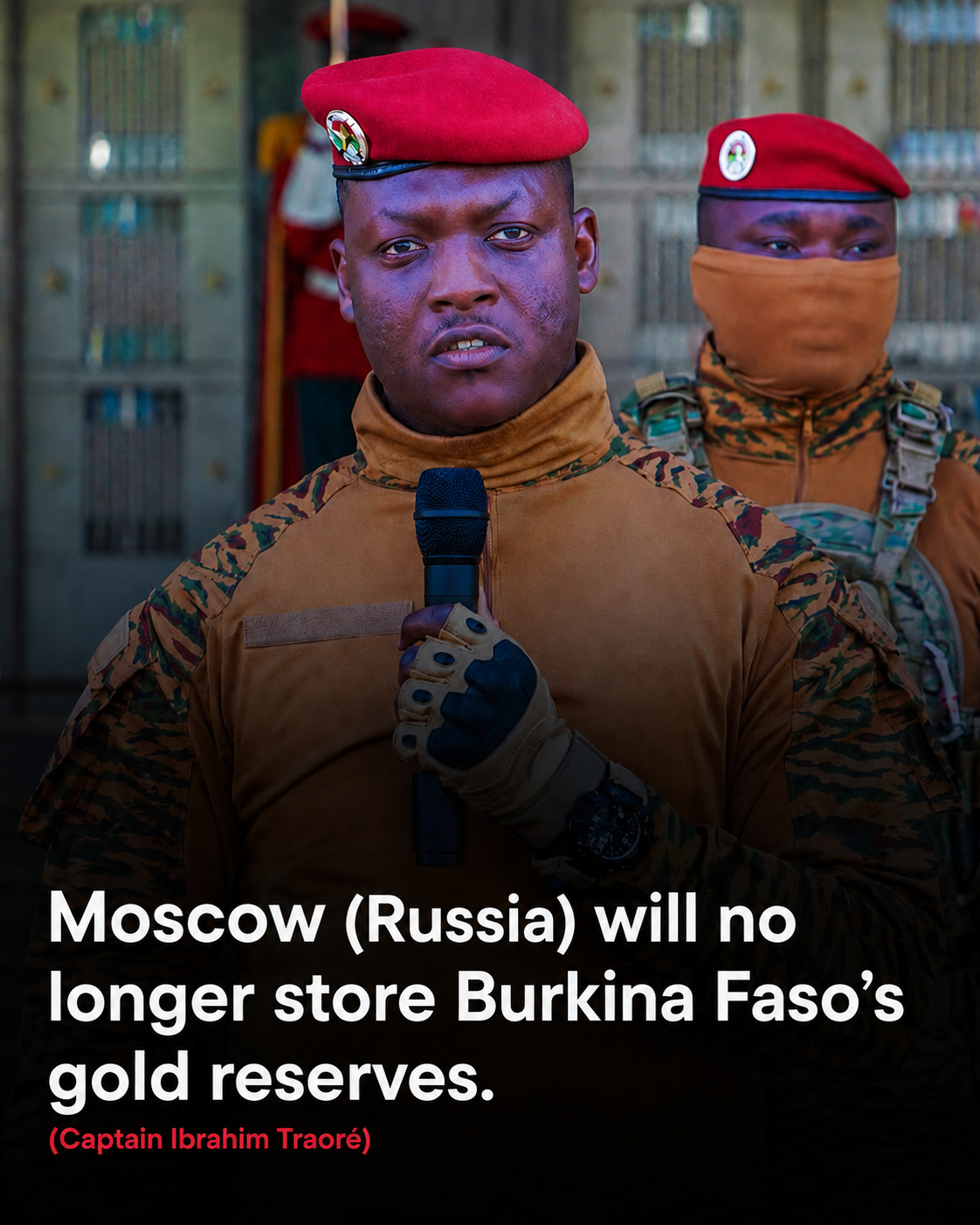
Since Captain Ibrahim Traoré took leadership of the transition, the narrative in Ouagadougou has been centered on the restoration of national sovereignty. This message has resonated deeply with a younger generation eager to distance the country from its former colonial relationship with France. However, as the partnership with the Russian Federation deepens at an unprecedented pace, the promise of total autonomy is under scrutiny. Rather than achieving self-reliance, the current path suggests a transfer of economic and military reliance, casting doubt on the reality of the proclaimed sovereignty.
The financial burden of asymmetrical gold deals
Recent discussions regarding the management and protection of national resources—specifically the gold sector, which accounts for nearly 80% of export revenues—highlight a significant vulnerability within the state. By entering into agreements where the financial or logistical terms dictated by Russian entities appear heavily imbalanced, Ouagadougou may be undermining its own economic stability.
Relinquishing control or granting concessions for raw materials to foreign institutions under the pretext of “protecting” them from Western influence is a strategic paradox. A truly sovereign state does not secure its wealth by becoming beholden to another global power; instead, it fosters the internal capacity for self-management. Paying a premium to Moscow to safeguard the mineral wealth of Burkina Faso resembles a fee for service more than a mutual partnership.
Security sub-contracting and the risks of dependence
The situation on the security front is equally complex. The strategic pivot toward Russia, characterized by the arrival of military instructors and paramilitary units now operating as Africa Corps, was intended to rapidly shift the tide against insurgent groups. Yet, the financial cost of this military support is placing a massive strain on the national budget, while sustainable stability remains elusive following a series of brutal attacks against the national defense forces.
By tying the nation’s security future to the geopolitical interests of the Kremlin—which is currently preoccupied with its own external conflicts—Burkina Faso risks a dangerous level of subordination. Should the Russian partner decide to shift its priorities or increase its financial demands, Ouagadougou would find itself with very little leverage to negotiate or resist.
A transition in external influence
Critics point to a perceived inconsistency in the regime’s ideological stance. The legitimate rejection of Western paternalism is being replaced by an embrace of Moscow’s strategic interests without a thorough assessment of the long-term consequences. Replacing one form of external oversight with another does not equate to liberation; it reflects a struggle to establish genuine self-sufficiency.
Russia’s involvement in Africa is driven by strategic objectives: bypassing international sanctions, securing essential resources, and building a network of diplomatic allies. In distancing itself from Paris only to align so closely with Moscow, the nation may not be breaking its chains, but rather changing the hands that hold them.
Diplomatic isolation and the path forward
Finally, this exclusive focus on Russia is isolating Burkina Faso within the regional and international community. By distancing itself from traditional development partners and creating tension with several neighboring states, the transitional government is narrowing its own diplomatic and economic options. A sovereign nation typically seeks to balance multiple partnerships to maintain its own agency, rather than becoming a perpetual solicitor in an asymmetrical bilateral relationship.
For the citizens of Burkina Faso, the long-term impact of these decisions could be profound. True sovereignty is not found in the intensity of anti-Western rhetoric, but in the actual ability of a country to determine its own path without requiring approval from foreign capitals, whether they be Paris, Washington, or Moscow. By placing its primary resources and security in the hands of Russian interests, the current administration may be mortgaging the very independence it seeks to protect.