Ethnic tensions escalate amid anti-terror operations
The security situation in Burkina Faso has deteriorated sharply, with a widening rift emerging between the transitional government led by Captain Ibrahim Traoré and the Fulani ethnic community. While the nation battles armed insurgencies, allegations of targeted military repression and economic strangulation against Peul populations intensify.
Systematic abuses by state-backed forces
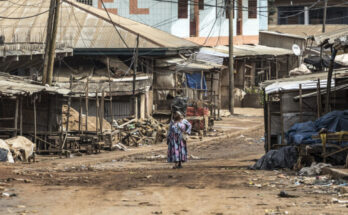
The 2022 coup that brought Traoré to power relied heavily on the Volontaires pour la Défense de la Patrie (VDP), civilian auxiliaries officially tasked with supporting military operations. However, human rights groups and local testimonies report disturbing patterns of abuse in northern Burkina Faso, where Fulani-majority villages have allegedly endured violent raids.
Survivors describe scenes of destroyed homes and indiscriminate killings, framing these incidents not as collateral damage but as part of a deliberate campaign against an entire ethnic group. Many Peul citizens assert they are unfairly conflated with armed groups operating in the region.
Economic suffocation through cattle trade restrictions
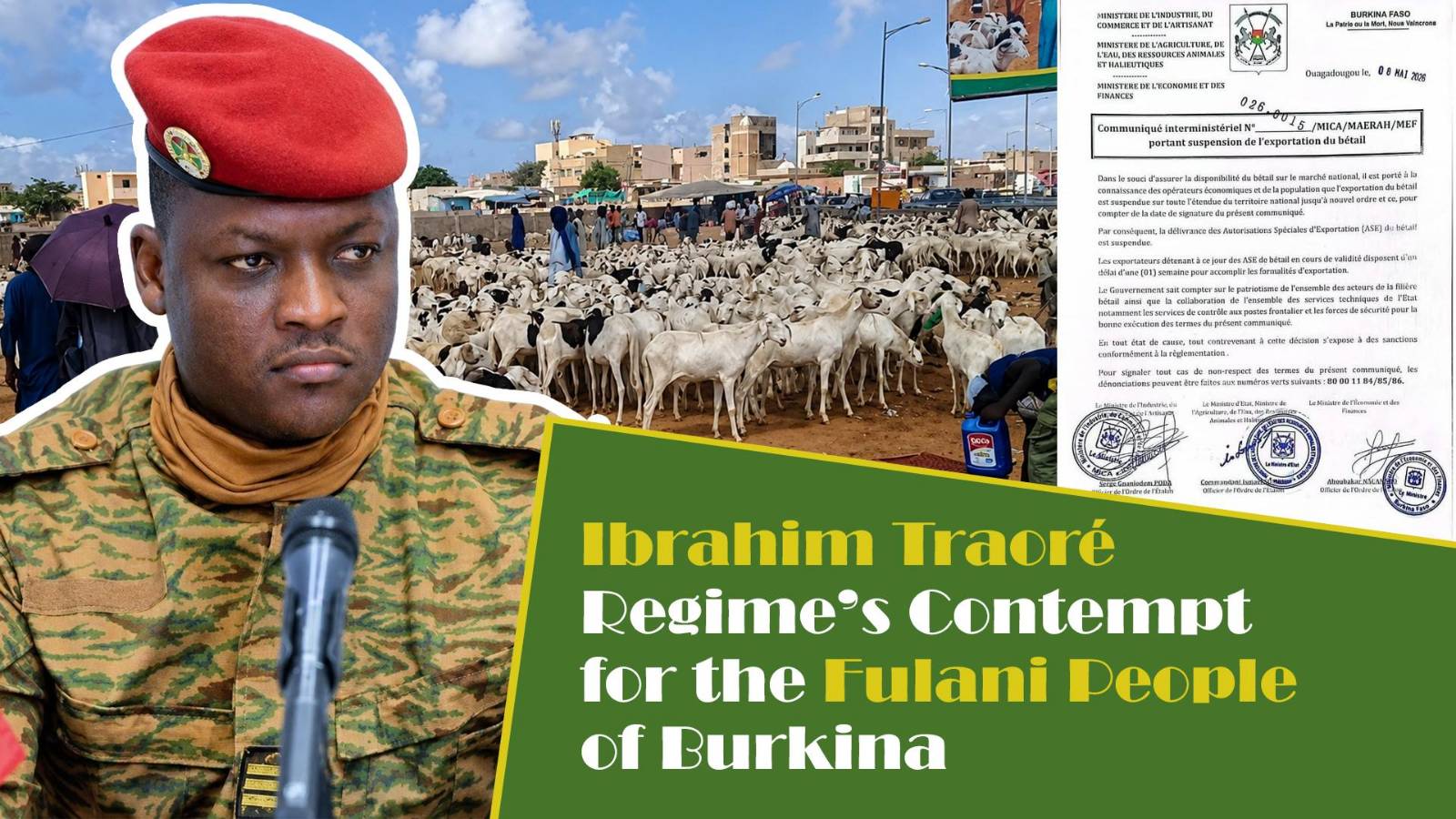
A recent decree has triggered further outrage by severely limiting, or in some cases outright banning, cattle exports to Côte d’Ivoire—the primary market for West African livestock. For the Fulani, whose pastoral livelihoods depend on this trade, the measure strikes at the heart of their economic survival.
The consequences are immediate and devastating:
- Financial ruin: Pastoral families face rapid impoverishment as their main revenue stream collapses.
- Basic needs at risk: Households struggle to afford healthcare, education, and daily necessities.
- Regional instability: Trade disruptions threaten long-standing commercial networks across the Economic Community of West African States (ECOWAS).
Accusations of deliberate exclusion
Critics argue Ibrahim Traoré’s policies transcend counterterrorism objectives, systematically marginalizing the Fulani. The combination of violent repression and economic blockade has fueled fears of a coordinated effort to weaken this demographic within Burkina Faso’s social fabric.
The absence of independent investigations into reported massacres and the government’s combative rhetoric only deepen suspicions of an identity-based agenda. Once celebrated for its ethnic harmony, Burkina Faso now confronts an existential challenge: preventing national fragmentation amid rising communal grievances.
« Counterterrorism cannot justify creating new injustices. Targeting a community alienates a segment of the nation and sows the seeds of future vengeance. »
A security analyst specializing in the Sahel region
Regional stakes and unanswered questions
As the Fulani community’s distress signals reach beyond Burkina Faso’s borders, the urgency for international and regional bodies to intervene grows. Failure to address these grievances risks igniting a cycle of retaliation with unpredictable consequences for the entire Sahel.